



What 'Case No 9' teaches lawyers, citizens about fighting GBV in Pakistan
Awareness initiatives shouldn't remain confined to TV screens alone; but incorporated into academic curricula




 Updated Wednesday Jan 28 2026
For the past two decades, Pakistan has witnessed a surge in cases of domestic violence, gender-based violence (GBV), and other incidents leading to the victimisation of women across all segments of society.
The United Nations describes violence against women as "any act of gender-based violence that results in, or is likely to result in, physical, sexual, or psychological harm or suffering to women, including threats of such acts, coercion, or arbitrary deprivation of liberty, whether occurring in public or in private life". Unless specified otherwise, the term "women", according to the UN, refers to females of all ages, including girls.
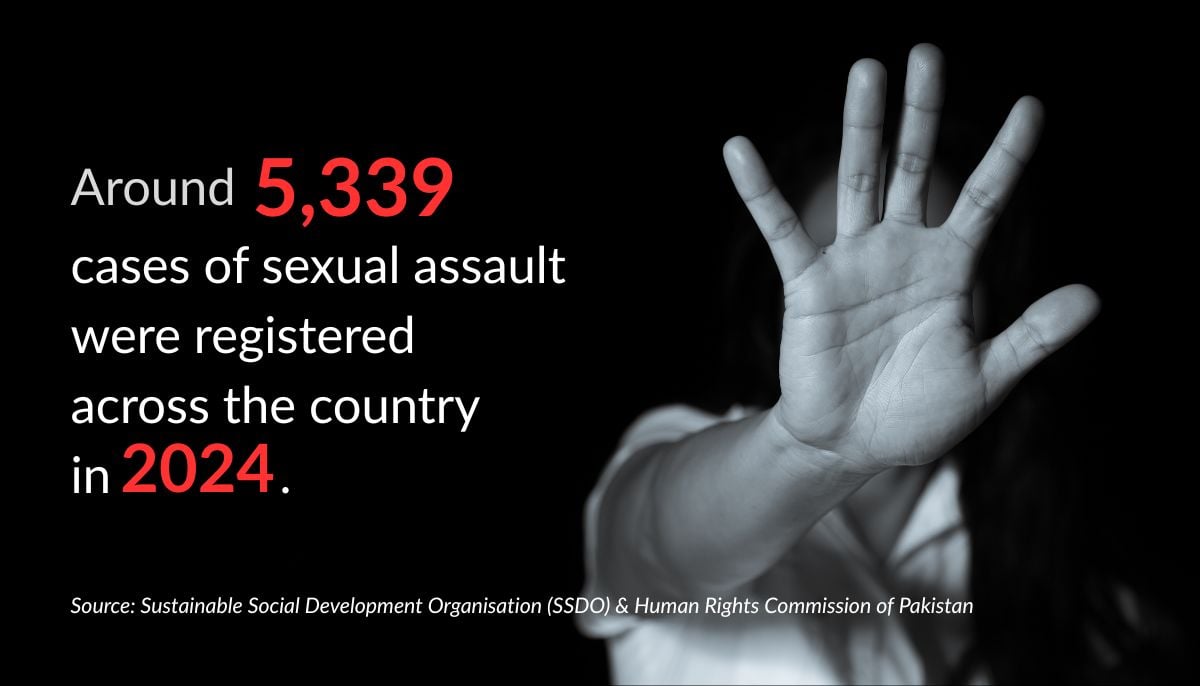
According to statistics gathered by the Sustainable Social Development Organisation (SSDO) and the Human Rights Commission of Pakistan, around 5,339 cases of sexual assault were registered across the country in 2024. In 2023, the number of reported rape cases stood at 6,624. Meanwhile, the total number of GBV cases reported nationwide in 2024 reached 32,617.
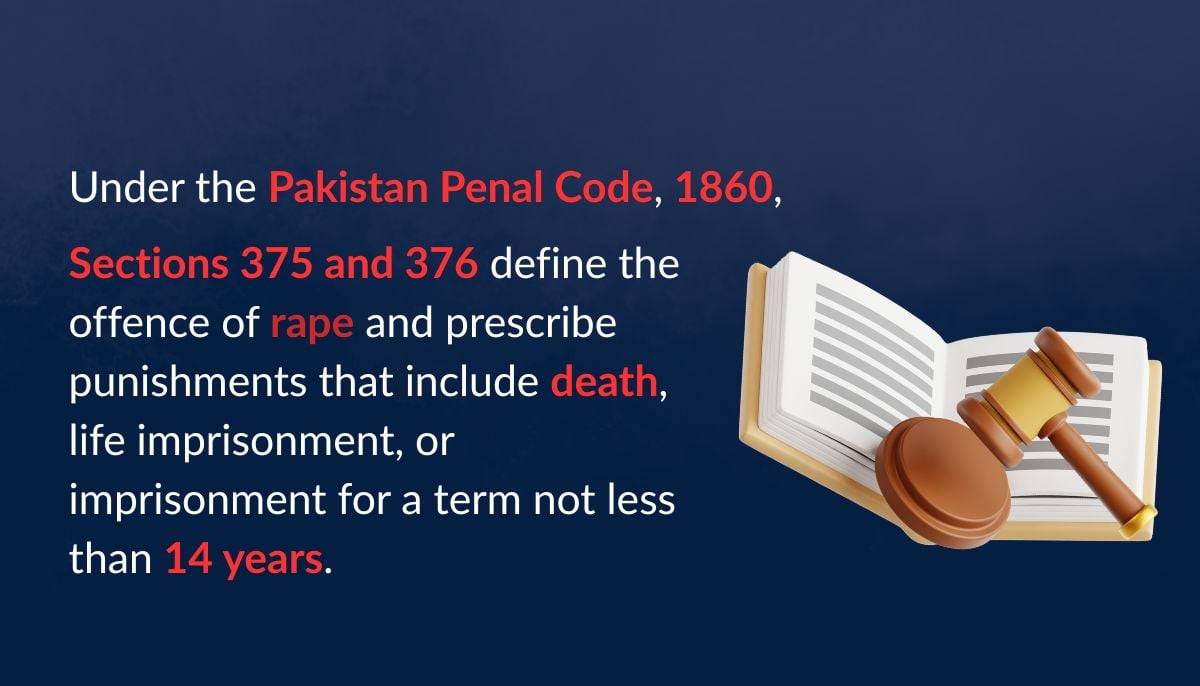
In almost all countries of the world, sexual assault is considered the second most heinous offence committed against a person. Under the Pakistan Penal Code, 1860, Sections 375 and 376 define the offence of rape and prescribe punishments that include death, life imprisonment, or imprisonment for a term not less than 14 years. While other sections in the code deal with offences relating to assault against women, their aggravated versions, eve-teasing (509 PPC), and offences relating to coerced marriage or deprivation of a woman’s right to property.
During the last decade and a half, significant headway has been made to further strengthen laws relating to gender-based violence; however, these measures have failed to improve the conviction rate in Pakistan.
Across all provinces, conviction rates have remained critically low despite these distressing figures. During the last couple of years, the national rape conviction rate stood at a mere 0.5%. The Criminal Justice System of Pakistan has inherited its basic principles from the systems operating in the United Kingdom and the United States. Therefore, to prove a criminal case against an accused, the prosecution must establish guilt beyond a shadow of doubt. Even a single doubt entitles the accused to the benefit of that doubt. In cases of gender-based violence, the principle of proof remains the same as in other criminal cases.
The Anti-Rape Act, 2021, has strengthened laws relating to rape and other offences against women. The Act emphasises speedy and timely relief for GBV victims; however, for multiple reasons, the conviction rate has not improved. Some of the key causes include poor medical and forensic infrastructure, lack of awareness among victims, flawed investigation processes, societal pressure, and delayed trials, among others. Various non-governmental organisations have repeatedly tried to raise awareness about the rising incidence of GBV and the steps available for seeking timely relief and justice; however, these efforts have so far failed to produce effective results.
Recently, a television show titled Case No. 9 has proven instrumental in creating awareness about GBV cases, post-incident procedures, challenges faced by victims, and most importantly, the manner in which lawyers should proceed while representing a GBV victim, as well as how a defence counsel should build a defence if the accused is innocent.
According to a survey conducted by this author, a number of both young and senior lawyers from Hyderabad, Tando Allahyar, Sujawal, Tando Muhammad Khan, Badin, and Thatta reported watching the show. They said it helped them better understand the country’s criminal justice system, the legal principles involved in establishing a GBV case, the stages of a criminal trial, investigation procedures, courtroom decorum, and cross-examination.
Sharing his insights on GBV-related laws and the awareness generated through the play, Advocate Babar Mirani of Hyderabad stated that the law, on one hand, is complex and, on the other, simple, and this happens when both the subject of the law and the lawyer are well informed.
He notes that multiple flaws in the investigative mechanism create weak links in prosecution cases, ultimately leading to acquittals, and that the drama effectively highlighted these flaws and discrepancies.

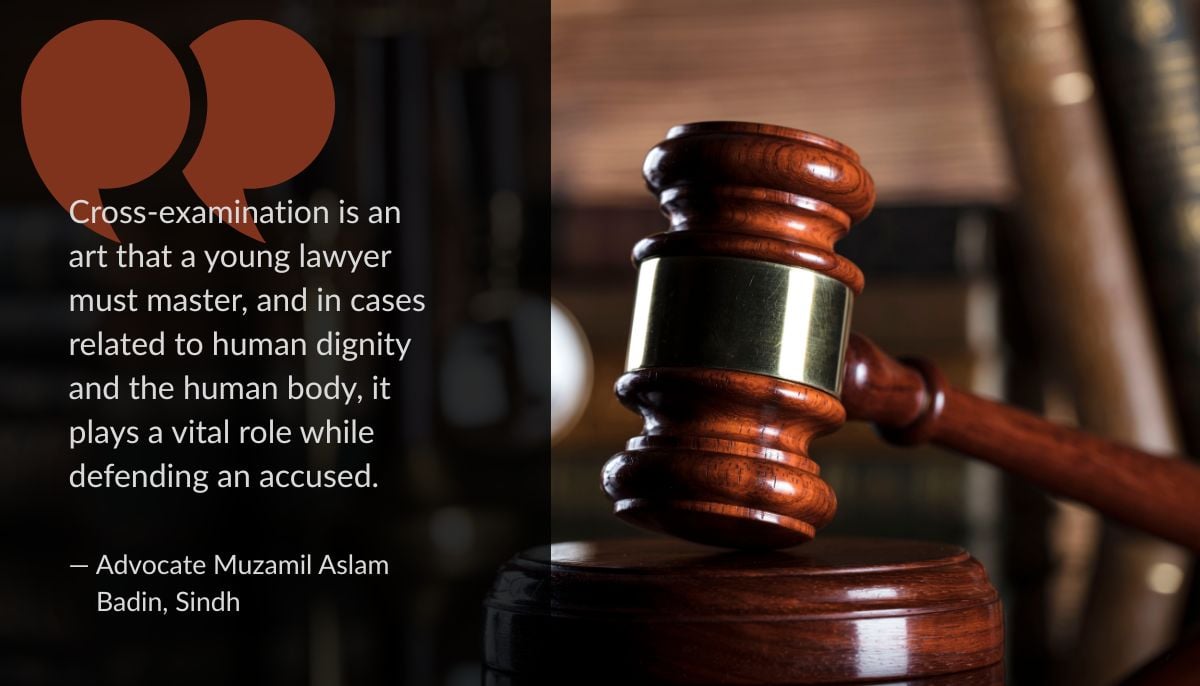
"Cross-examination is an art that a young lawyer must master, and in cases related to human dignity and the human body, it plays a vital role while defending an accused.
"Learning this art through a television play was a unique experience for me," said Advocate Muzamil Aslam of Badin.
"While the police play a crucial role in evidence collection and investigation, they often fail to facilitate victims and witnesses in GBV cases."
According to Aslam, several laws offer special protections for women, including the Federal Domestic Violence (Prevention and Protection) Act, 2020, and the Punjab Protection of Women Against Violence Act, 2016.
Zain-ul-Abiden Saheto, a seasoned lawyer and library secretary of the Hyderabad High Court Bar Association, stated that in underprivileged countries such as Pakistan, India, Bangladesh, and Afghanistan, access to justice has always been a cumbersome task.
However, he emphasised that this challenge could be addressed through large-scale awareness initiatives and suggested organising sessions, events, and airing more plays of this nature to highlight other serious social issues as well.
Another notable lawyer, Advocate Haq Nawaz Jamari, said, "Hospitals in Pakistan lack adequate facilities to properly attend to GBV victims, while forensic departments, particularly in Sindh, are not well equipped and lack modern facilities to analyse evidence."
Advocate Javed Buriro, however, said that raising awareness about post-incident procedures was crucial not only for ensuring timely justice but also for enhancing conviction rates in GBV cases.

Besides non-governmental organisations, the showbiz industry, and civil society, state institutions must also play their role, not only in further strengthening GBV laws but also in preventing such incidents in the future.
Awareness initiatives should not remain confined to television screens alone; rather, they should be incorporated into school and college curricula, as is practiced in many other countries of the world. Apart from that, reforms in the police system and the country’s criminal justice system, including procedural law, are crucial to address the rising cases of GBV.
Kamran Khamiso Khowaja is a lawyer and journalist based in Sujawal. His areas of interest are cultural diversity and socio-political isuues. He posts on X @ZaibSha1
Header and thumbnail illustration by Geo.tv