


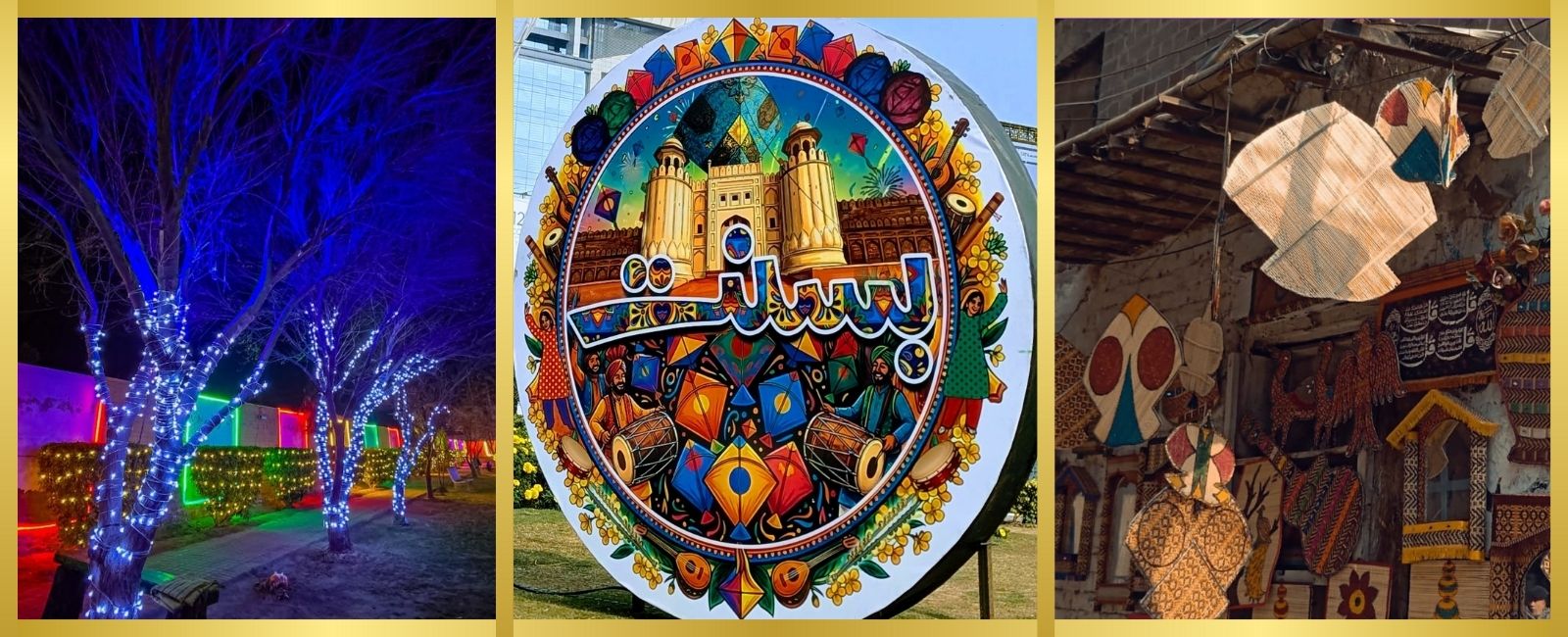
Will Basant soar over Lahore again after a quarter-century ban?
Lahore is ready for sound of 'Bo Kata' once again after a gap of more than two decades




 Updated Wednesday Feb 04 2026
Lahore is abuzz with excitement these days in anticipation of the Basant festival, making a comeback after 25 years. The ban was lifted after the Punjab government introduced "The Punjab Kite Flying Ordinance, 2025". As per the ordinance, only kite materials and strings approved by the government are legally permissible.
The ordinance prohibits the use of charkhi (spools used to fly kites) and sharp manjha (kite string coated with glass and adhesive) in a bid to make kite flying safe. The nostalgia is hitting the Lahoris, particularly those who have previously experienced the vibrancy of this festival. It will be a three-day festival from February 6 to 8.
Use of motorbikes will be restricted during the three-day festival, and the Government has announced free public transport. At least 5,000 rickshaws and 500 buses will provide rides free of cost. Safety rods are also being provided to motorcyclists.
Basant is a centuries-old festival, celebrated to commemorate the end of winter and the arrival of the spring season. A festival that started to celebrate the ripening of sarsoun (mustard crop) became one of the identities of Lahore.
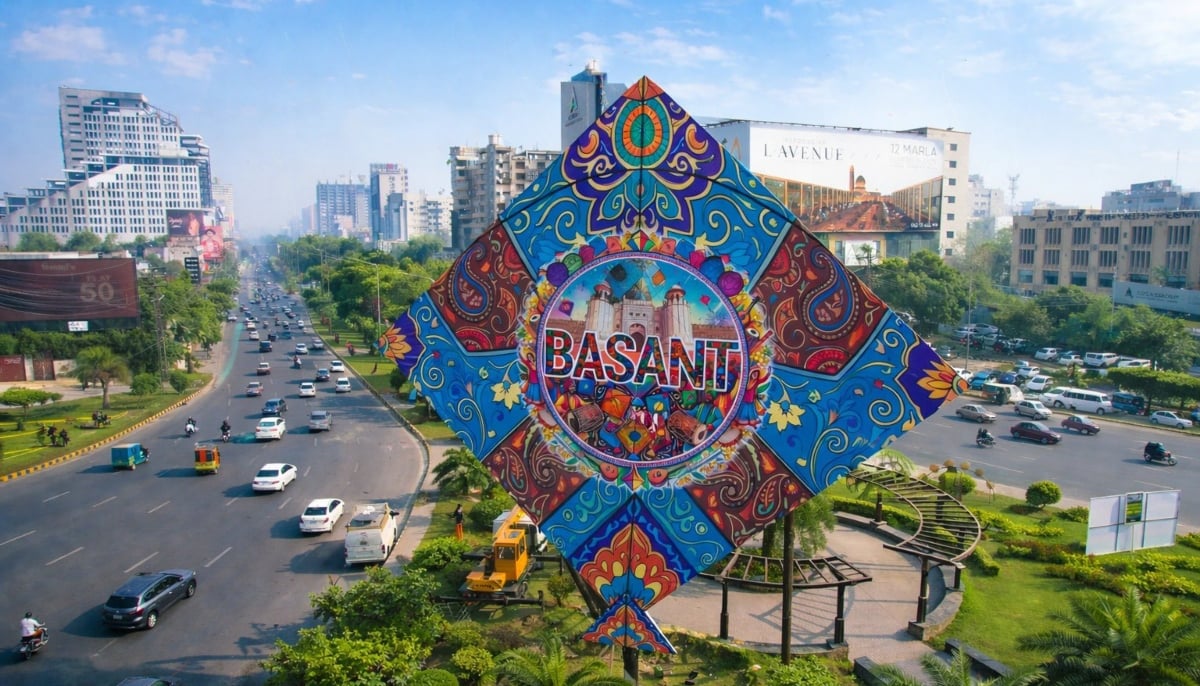
Yousaf Salahuddin, the socialite, philanthropist and ex-politician, who played a huge part in making Basant famous internationally, is ecstatic with the revival of the festival.
He lamented that if there had not been this disruption over the past 20 to 25 years, and had there been a consistent effort to make it a safe festival, it would have become a multi-billion-dollar business in Pakistan.
“The money generated through this activity trickles down to the grassroots level. Women making kites at home, someone selling kebabs, someone making dour (kite-flying string), someone selling clothes, and now with TV channels running Basant programmes and artists will be involved too. It creates a huge cycle of economic activity.”
Generation X, and some millennials as well, may remember that in the late 1980s and early 1990s, Basant was largely a common person’s festival. Celebrated on a weekend, people would gather on their rooftops, fly kites, engage in paichas (kite duels), and fill the air with shouts of 'Bo Kata', a cry of triumph after cutting another kite’s string, and the sound of horns. Children rushed to catch “katti patangs” (kites cut loose mid-air) and rejoiced when one landed on their rooftop.
With the whole city on its rooftops, especially in the old city, where roofs stood close together and many even joined, Basant created a strong sense of togetherness. It was a simple affair: a pari or sharla (names of different kites) could be bought for Rs2 to Rs5, while guddas (a kite) cost between Rs10 and Rs20. There were kite and string shops in every area, open year-round, and kite flying was something enjoyed throughout the year.
One could find dour makers busy making dour at roadsides, no matter the time of year. Almost everyone could afford a kite and dour, since there were not just pinnas (dour wound into a ball) but also giths — smaller bundles of string, wound in a figure eight between the thumb and little finger, for those who did not want to buy a whole ball.
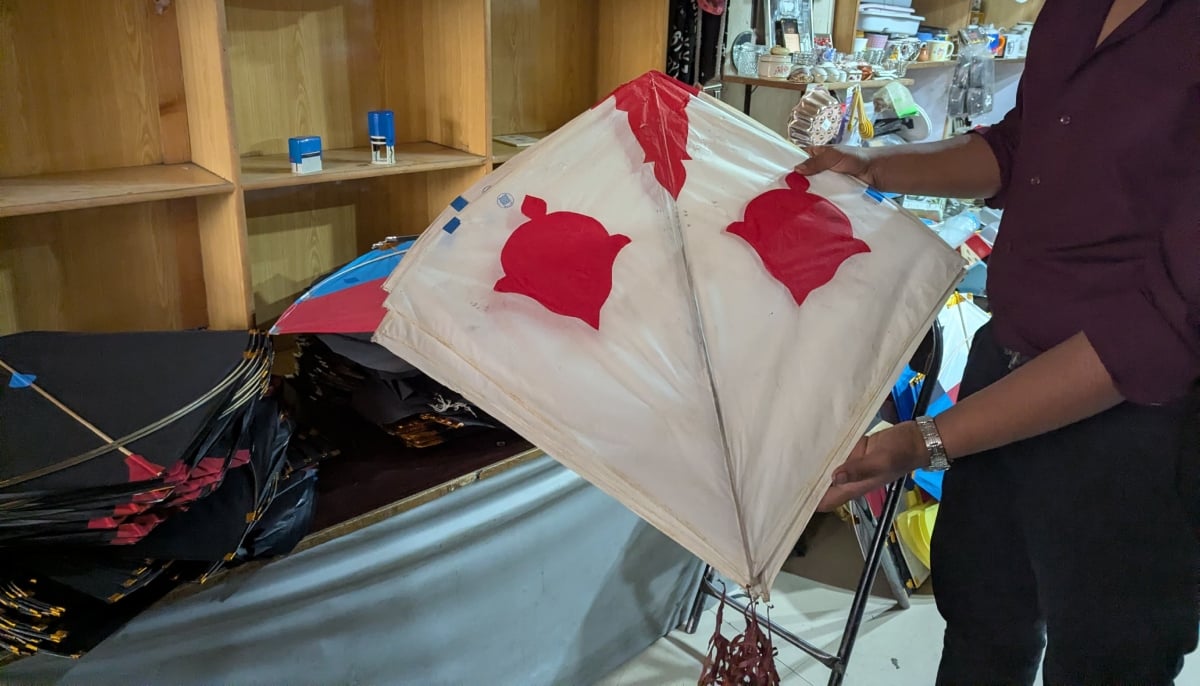
The first change came with the introduction of night Basant. The night before Basant, rooftops were floodlit, loud music was played, food was arranged, and the skies filled with festivity. Over time, the festival kept growing, and people started organising Basant events on the rooftops of hotels and houses, inviting guests, who were entertained with food, music, and dhol walas.
Asif Qasai, who is still famous in Gawalmandi for his kite-flying skills, also acknowledged this shift: “In the past, the focus was largely on flying kites and cutting strings. Later, the emphasis shifted more towards food, parties, and social gatherings.”
Notorious as we are in ruining every good thing, Basant was no exception. Some people’s sense of adventure and others' greed turned this sport of joy into one of death.
Shakeel Sheikh, president of the All Pakistan Kite Flying Association (APKFA), explained that “When China-made kite string was introduced in Pakistan, it was cheap.
“After that, a factory was set up in Faisalabad, where nylon string production began. These people would import the raw material from China and then apply colours or chemicals to it locally. If this kind of string had not been manufactured, people would not have used it.”
Though excited about the festival’s return, Asif said that for families who lose loved ones to the deadly strings, the pain is impossible to forget.
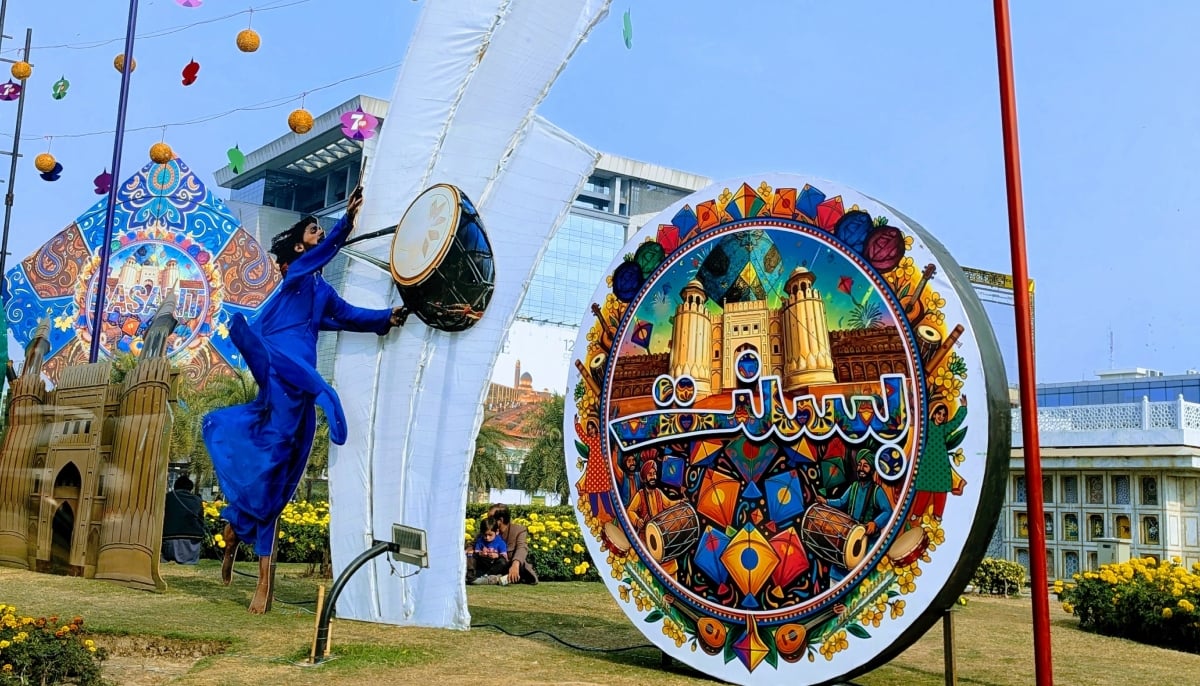
Raza, a trader of kites and strings in Mochi Gate, explained that the same thread used to make lawn fabric is also used for kite strings; it comes in different counts, such as 24, 26 and 28, and so on. “A patang can fly easily on a nine-thread, 28-count string. Nevertheless, people increased it from nine cords to eighteen, and eventually even up to a hundred cords. Such a string does not break, no matter how hard it is pulled, and when it comes into contact with a neck, it can cut it. By contrast, thin traditional strings snap immediately.”
Raza, whose business was at its peak in 2002 when the first death occurred due to a slit throat, said they held meetings with shopkeepers and bound them to a code of conduct, strictly prohibiting the manufacture of illegal string. However, accidents happened, and such incidents are unavoidable.
Dwindling art of kite-dour making vs high demand
In 25 years since Lahore celebrated its last Basant, two generations have grown without ever flying a kite. Those who were young adults at that time have crossed 40. The people associated with the businesses of kites and strings, and the artisans associated with making them, have also moved on to other professions. Some have even passed away without having the opportunity to transfer the art to the next generation. So, preparing for the return of the Basant is not without complications. Not just kite flying but kite making is also an art. To ensure it is balanced and upright, one should have proper skills. It is a delicate craft where artisans bring vibrant and colourful designs to life with paper and bamboo sticks, creating kites that sway in the breeze.
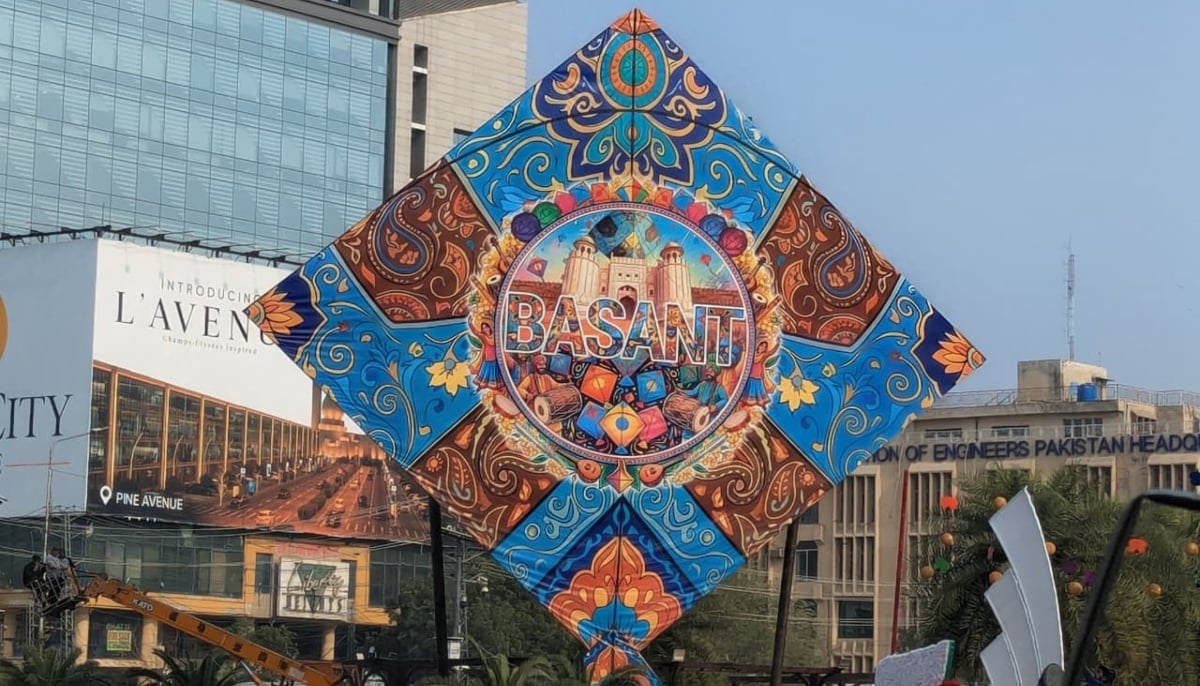
However, after more than two decades of ban, is the art still alive? The APKFA president, Sheikh, anticipates that all previous sales records will be broken this time, but also admits there are many challenges that production units are facing and production could not reach the level it should have.
Raza called the shortage of artisans the biggest challenge. "Craftsmen who knew how to make pinna dour as these skills don’t emerge in a few nights. About 34 years ago, charkhi became common, and the use of pinna declined. As a result, the artisans from that time are now over 50 years old, and there is a gap of three generations. We now have to search extensively just to find skilled artisans.” By his estimate, current string production is not even 1% of demand.
Another issue is the availability of the raw material, according to Raza. “Kite paper is multipurpose and can be sourced in varying quality, but bamboo is not easily available. Something he used to import from Thailand, Burma, and Bangladesh, that would take around three months to arrive.”
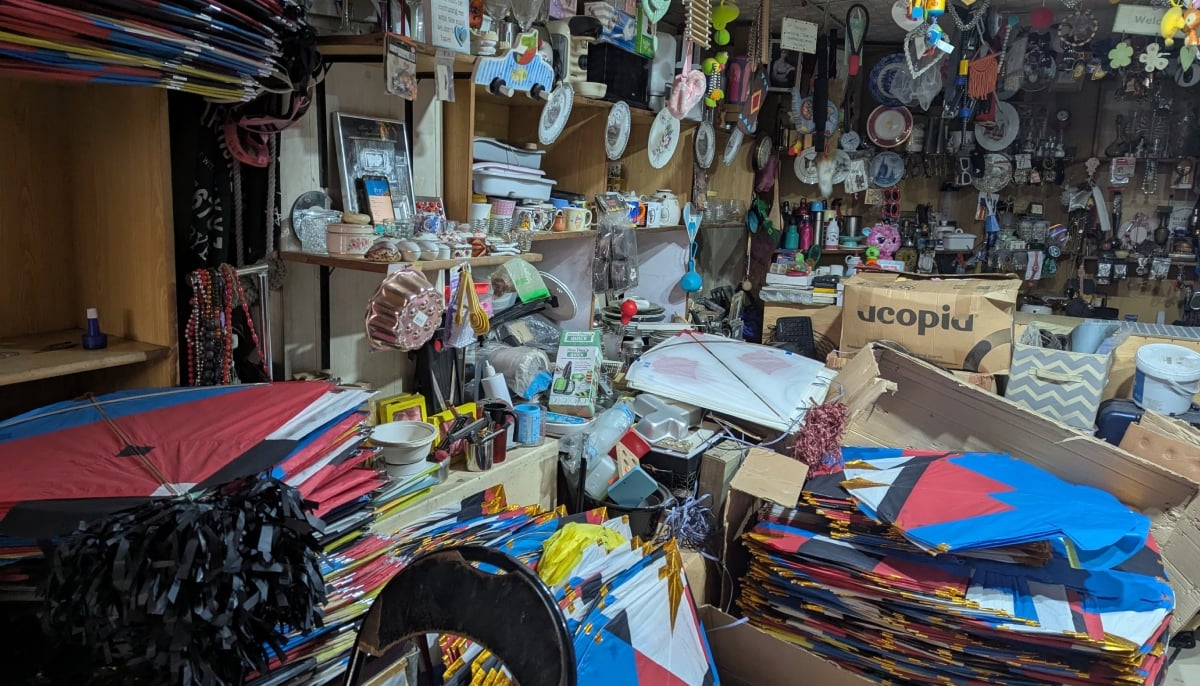
Since the sale of kites and strings opened in Lahore on February 1, 2026, at 12am, people have been complaining about the high prices and low quality of paper used for kites. The smallest kite is being sold for Rs100, while a 1.5-foot tawa now costs between Rs300 and Rs350. The quality is making people wonder if the kite would even fly. Whereas a ‘patang’ is sold for a minimum of Rs1,000 and pinnas between Rs6,000 and Rs12,000.
Raza admitted that this occurs in any situation of demand and supply. “When permission for production was granted on December 30, there was virtually no stock available. These things cannot be produced overnight.”
He further added that when the ban was imposed in 2005, “we used to pay Rs90 for 4 pieces of pinna. A good artisan would get Rs100, and a top-class artisan would be paid Rs110. Today, it has become expensive simply because craftsmen no longer exist.”
The art of kite flying
Qasai, the “ustaad” (master) of kite flying, a butcher in Gawalmandi, believes that this art is still very much alive. “Even if the elders are no longer around, their children remain familiar with this craft.”
“Everything depends on the wind, you have to judge it carefully. If the wind is strong, the string must be managed differently; if it is light, it requires another approach. Whether you do "paicha" up close or from a distance also requires technique. You must observe your opponent and assess what kind of player they are, and then engage accordingly.”
“We cannot ignore the fact that two generations grew up without experiencing this festival. They grew up with smartphones and Netflix and have never flown a kite. They’ll probably be more focused on making reels.”
Sheikh, the kite association president, however, disagrees: “You will see on the 6th, 7th and 8th how the new generation celebrates it. The children who usually sit with mobile phones in their hands all the time will instead be holding kite strings and kites. Kite flying is in the blood; once it’s there, you can’t help it.”
Salahuddin agrees: “These notorious children have been flying kites secretly, it’s in the blood of Lahoris. The kind of kite flying you see in Lahore does not exist anywhere else in the entire subcontinent.”
As Lahore prepares for Basant, one can feel an energy around the city, the dour being made, kites sold, people buzzing with enthusiasm looking for rooftops. Lahore seems ready for the sound of “Bo Kata” once again after a gap of more than two decades. With the prices so high and the focus shifting more from kite flying to food and parties, one cannot help but wonder if this festival too would turn from a common man’s joy to a delight for the elite.
The return of the festival is also a time of reflection for Lahoris. If we want to keep our kites flying, we have to show responsibility. Our joy should never turn into someone else’s grief, especially when it can be avoided by being diligent.
Momna Tahir is a staffer at Geo News.
Header and thumbnail illustration by Geo.tv