


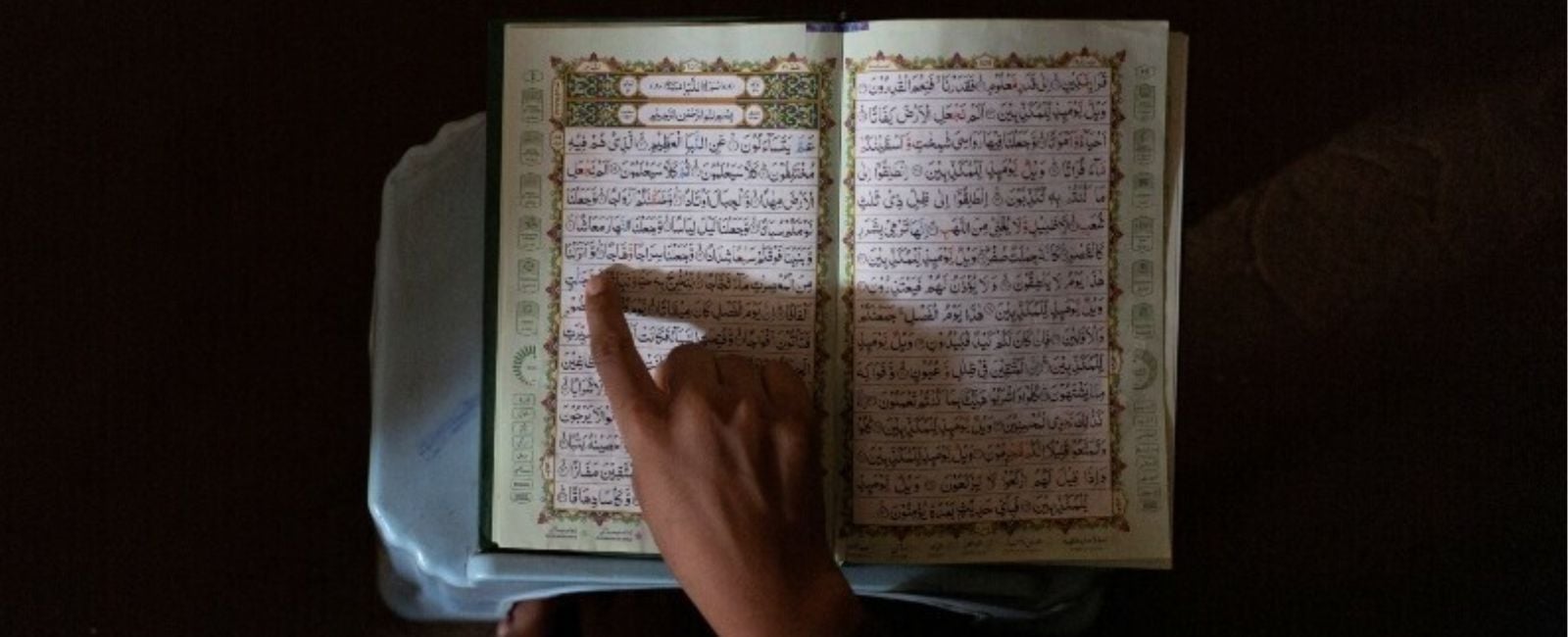
Epistemology of the Quran
Rediscovering epistemology of Quran requires profound intellectual renewal




 Updated Friday Mar 13 2026
History often hides its greatest lessons in ruins. A visitor walking through the courtyards of the Alhambra in Granada, standing beneath the silent arches of the Great Mosque of Cordoba, or wandering through the ancient streets of Seville, is not merely touring monuments of a vanished kingdom. He is walking through the remnants of one of the most luminous civilisations humanity has ever witnessed.
The stones of Al-Andalus do not simply narrate a story of architectural beauty and imperial power; they whisper deeper questions: How did a civilisation once become the intellectual lighthouse of the world? And how did that same civilisation gradually lose its commanding place in history? The answers lie not merely in political decline or military defeat. They lie deeper – in ideas, intellectual habits and the philosophy of knowledge that once shaped the Muslim mind and later faded from it.
My own fascination with this question began more than three decades ago. In 1992, I was assigned by the prime minister of Pakistan to coordinate with the organisers of an international conference marking the 500th anniversary of the fall of Muslim Spain in 1492. Preparing for that conference opened a door into a remarkable chapter of history that has remained a lifelong intellectual interest for me.
Recently, I had the opportunity to visit Granada, Seville and Cordoba – the historic heartlands of Al-Andalus. Walking through these cities felt like reading a civilizational manuscript written in stone, scholarship, and memory. The experience reinforced a conviction that has guided much of my own work: civilisations rise not merely through power but through knowledge.
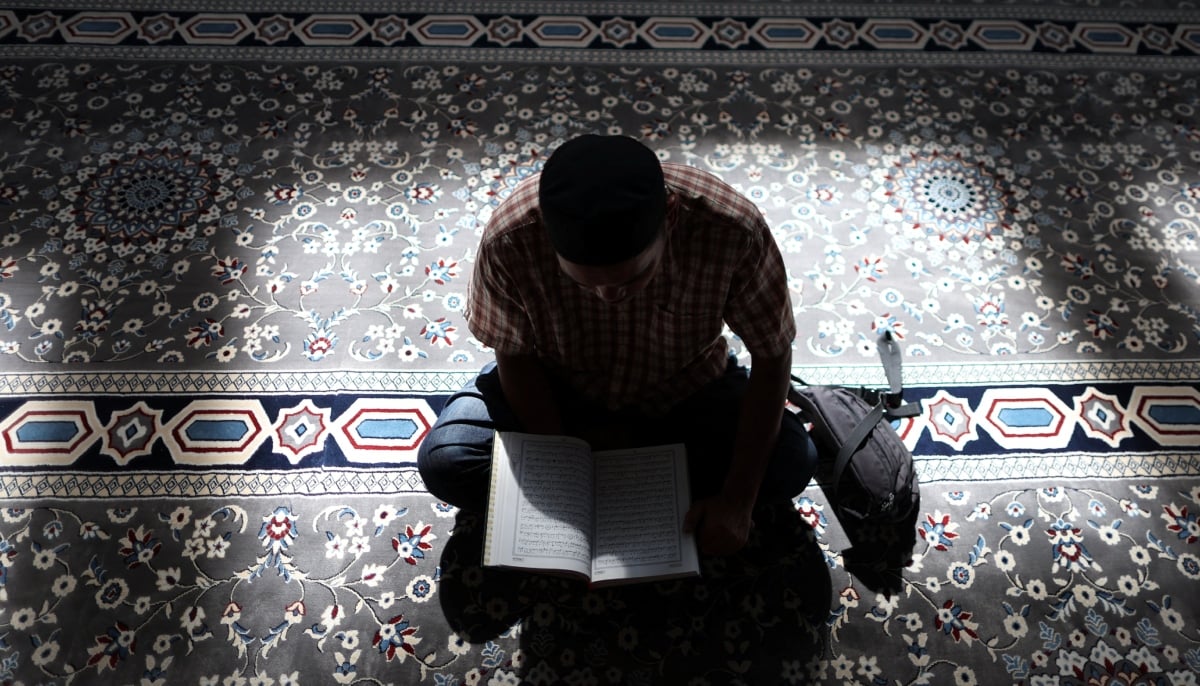
It was this conviction that inspired me, while designing the architecture of the University of Narowal, to draw inspiration from the architectural tradition of Muslim Spain. The purpose was symbolic – to remind students that the glory of Al-Andalus was not only in its palaces and gardens but in its intellectual spirit, its culture of inquiry, and its reverence for knowledge.
Between the eighth and the thirteenth centuries, Muslim Spain represented one of the most brilliant chapters in the intellectual history of the world. Under the Umayyad Caliphate of Cordoba, particularly during the reign of Abd al-Rahman III, the region became an extraordinary centre of science, philosophy, medicine, architecture and literature.
Cordoba in the tenth century was among the most advanced cities on earth. It had paved streets, public lighting, hospitals, bathhouses and vast libraries at a time when much of Europe was still emerging from the shadows of the Dark Ages. The library of Caliph Al-Hakam II alone reportedly contained nearly 500,000 books, an unimaginable number in medieval Europe.
Universities flourished in Cordoba, Seville, Toledo and Granada. The University of Cordoba attracted students from across Europe and offered courses in astronomy, mathematics, medicine, philosophy, theology, law and literature. Knowledge flowed across cultures in a remarkable environment of intellectual openness. Muslim Spain produced scholars whose contributions transformed human knowledge. The great surgeon Al-Zahrawi pioneered surgical instruments and medical procedures. Ibn Rushd (Averroes) reshaped philosophical discourse in both the Muslim world and Europe. Astronomers such as Al-Zarqali advanced observational astronomy, while botanists like Ibn Baitar produced groundbreaking work on medicinal plants.

Through Al-Andalus, ancient Greek knowledge and the scientific achievements of the Muslim world flowed into Europe, helping ignite the Renaissance. The obvious question, therefore, is: what sparked this extraordinary culture of knowledge? During my research for a convocation address at the University of Narowal, I came across an insightful observation in a historical study by the Applied History Research Group at the University of Calgary. It noted that the intellectual climate of Muslim Spain was deeply rooted in the Quranic emphasis on knowledge and reflection.
Muslims believed that because Allah is All-Knowing, the pursuit of knowledge about the natural world is itself a way of knowing the Creator. Human knowledge, unlike divine revelation, is never complete or perfect. It advances through observation, research, experimentation and reflection.
In other words, the Quran provided not only spiritual guidance but an epistemology – a framework for acquiring and expanding knowledge. The Quran consistently addresses those who think, those who reason, those who reflect, those who observe and those who understand. It repeatedly challenges the human mind with questions: Will you not reflect? Will you not use your reason? Will you not observe the signs?
This Quranic method transformed a people. It created a civilisation in which the pursuit of knowledge became an act of worship. Because Muslims believed that Allah is Al-‘Aleem – the All-Knowing, the study of creation became a path toward recognising the Creator. Investigating the natural world was not seen as a challenge to faith but as a fulfilment of faith.
The universe itself was read as a vast book of divine signs. That is why Muslims did not confine knowledge to religious sciences alone. They explored astronomy, medicine, chemistry, mathematics, engineering, optics, agriculture, geography, philosophy and architecture. They translated the intellectual inheritance of earlier civilisations, critically engaged with it, expanded it and transmitted it onward.
Muslim Spain thus became a bridge through which the intellectual treasures of antiquity and the innovations of the Muslim world flowed into Europe. The Quran repeatedly invites humanity to observe the universe and reflect upon its mysteries. “Indeed, in the creation of the heavens and the earth and the alternation of night and day are signs for people of understanding.” (Quran 3:190) Another verse declares: “Say: Are those who know equal to those who do not know?” (Quran 39:9) And yet another reminds us of humanity’s intellectual distinction: “And He taught Adam the names of all things.” (Quran 2:31)
The first word revealed to the Prophet Muhammad (peace be upon him) was Iqra: Read. It was a declaration that the journey of faith begins with cognition, awareness and learning.
Significantly, the Quran does not demand belief through blind command. Instead, it uses a powerful method of inquiry to awaken the human intellect. It repeatedly invites people to observe the signs embedded in the natural world. It asks: Do you not see how vapours rise and form clouds? How clouds gather and release rain that turns barren land into green pastures?
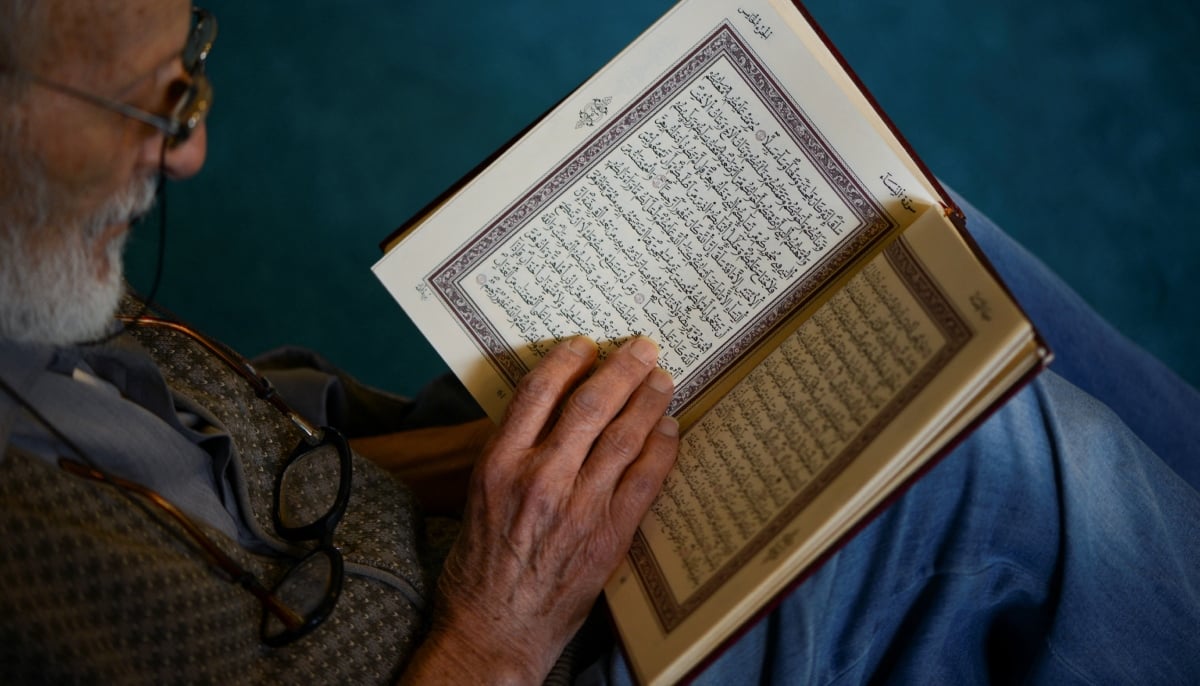
“Do you not see that Allah drives the clouds, then joins them together, then makes them into a mass, and you see rain emerge from within them?” (Quran 24:43). Another verse calls attention to the miracle of life: “Then We made the drop into a clinging clot, and We made the clot into a lump, and We made the lump into bones, and We clothed the bones with flesh.” (Quran 23:14).
The Quran invites reflection on the seas: “And among His signs are the ships sailing through the sea like mountains.” (Quran 42:32) And on the cosmic order: “He has subjected for you the sun and the moon, both constantly orbiting, and has subjected the night and the day for you.” (Quran 14:33)
These verses encourage human beings to use Aql – the faculty of reason. The Quran teaches that the universe itself is a cosmic symphony of harmony and balance, where every element operates within a divinely ordained equilibrium. Human progress emerges when societies align their social, economic and spiritual lives with this harmony.
When societies respect this balance, they flourish. When they violate it, disorder and decline follow. Muslim Spain was a remarkable historical example of this Quranic principle in practice. It created an ecosystem of learning rooted in communal harmony, where Muslims, Christians and Jews worked together in a shared intellectual environment to advance knowledge and promote societal progress.
Yet history also tells us that this spirit gradually faded. Over time, the culture of inquiry weakened across much of the Muslim world. Intellectual curiosity declined. Societies that once produced knowledge increasingly became consumers of knowledge produced elsewhere.
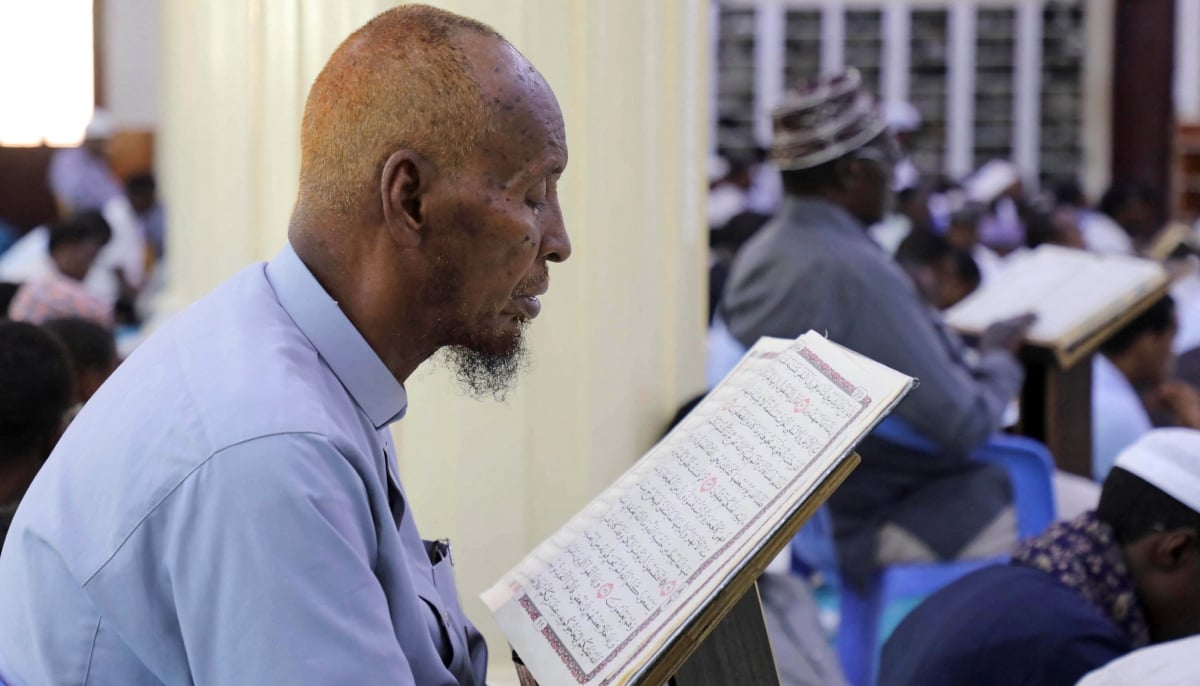
This raises an uncomfortable question: If the Quran inspired Muslim scholars of Al-Andalus to become leaders of knowledge, why does it not inspire us in the same way today? The Quran has not changed. What has changed is our ability to understand it. The intellectual lens through which earlier generations read the Quran has become rusted. The spirit of inquiry that once animated Muslim scholarship has weakened. Instead of reading the Quran as a call to explore the mysteries of creation, we have too often reduced it to ritual recitation alone.
The Quran speaks of the cosmos, the stars, the seas and the mysteries of life – and invites humanity to explore them. Yet today we must ask: who is exploring these frontiers? The James Webb Space Telescope and the Hubble Space Telescope are among humanity’s most powerful instruments for studying the cosmos. They are products of scientific institutions elsewhere. Yet there was a time when the world’s leading observatories stood in Muslim lands because scholars understood the Quranic invitation to study the heavens. “They reflect on the creation of the heavens and the earth and say: Our Lord, You have not created all this without purpose.” (Quran 3:191).
Today, the Muslim world contributes far less to these frontiers of knowledge. This gap is not merely technological. It is epistemological. It is a tragic irony that, while the Quran encourages exploration of the universe, some religious debates in our societies have been reduced to sectarian disputes. The Quran calls humanity to explore the cosmos, yet some religious leaders remain preoccupied with conquering the mosques of other sects. This is not the spirit of the Quran.
The Quran calls humanity to observe, reflect, inquire and discover. The great philosopher-poet Allama Muhammad Iqbal warned about this intellectual stagnation with remarkable clarity: “From the highest heavens comes a call at dawn:/ How did you lose the jewel of understanding?/ How did the sharp blade of your inquiry grow dull?/ Why can you no longer pierce the hearts of the stars?”
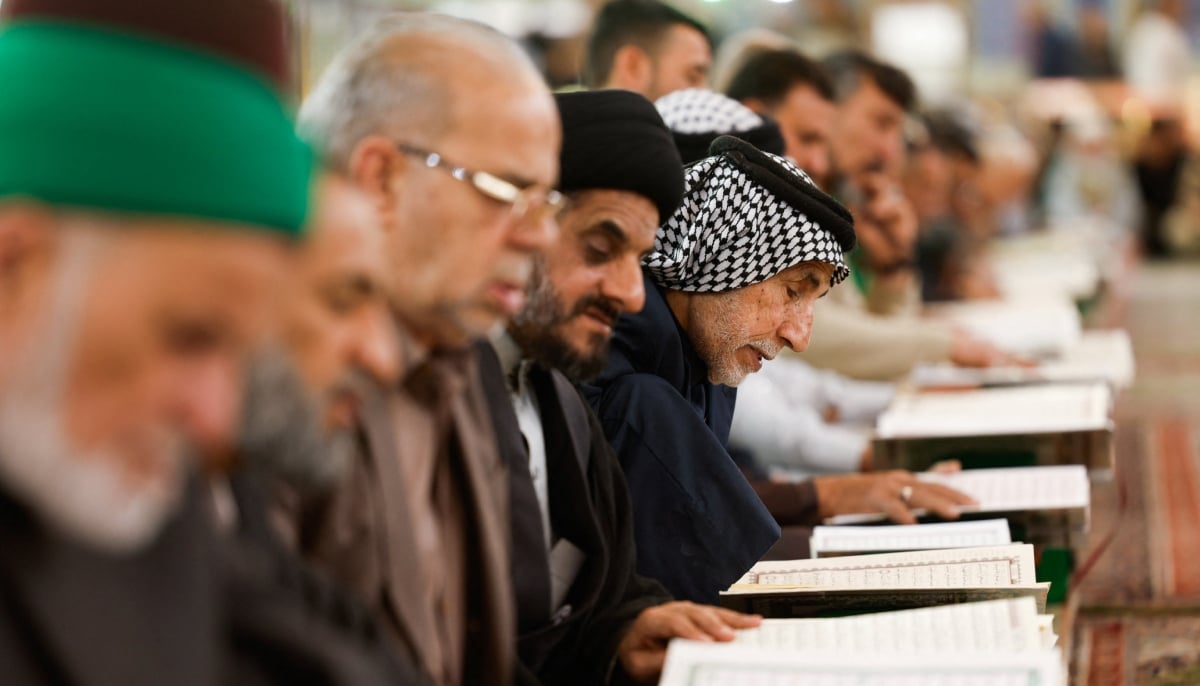
Iqbal also cautioned against reducing religion to passive consumption: “May God acquaint you with a storm,/ For the waves of your sea show no restlessness./ You cannot detach yourself from the Book,/ For you read it but you are not its writer.”
The tragedy of Muslim societies today is not that they lack faith. The tragedy is that faith has been disconnected from the intellectual spirit of the Quran.
Rediscovering the epistemology of the Quran, therefore, requires a profound intellectual renewal. It means restoring the dignity of reason within a framework of faith. It means recognising that scientific inquiry is not alien to Islam but deeply rooted in its worldview. It means reforming education systems so they produce thinkers, innovators and problem-solvers. It means building universities that nurture curiosity, experimentation and discovery.
Above all, it means teaching our younger generations that asking questions is not irreverence – it is obedience to the Quranic call to reflect upon creation.
The ruins of Al-Andalus remind us that civilisations decline when intellectual vitality fades. But they also remind us that renewal is possible when faith and reason once again walk together. The Quran gave Muslims a roadmap for intellectual leadership. When Muslims followed that roadmap, they illuminated the world. When they abandoned it, they lost their place in history.
As Allama Iqbal reminded us: “They were honored in the world because they lived by the Quran;/ And you fell into humiliation when you abandoned the Quran.”
Iqbal was not referring to abandoning ritual. He was referring to the abandonment of the Quran’s intellectual spirit – its call to reflection, creativity and discovery.
Rediscovering the epistemology of the Quran, rooted in observation, inquiry and reflection on puzzles of the universe, may yet become the starting point of a new intellectual renaissance for the Muslim world.
Ahsan Iqbal is the federal minister for planning, development, and special initiatives. He posts @betterpakistan and can be reached at [email protected]
Originally published in The News in two parts (Part I & Part II)
Header and thumbnail illustration by Geo.tv