


IMF-linked targets 'leave little room' for broad relief in FY27 budget
Analysts say upcoming budget is likely to prioritise fiscal discipline, revenue mobilisation and targeted support over broad-based relief




 Updated Tuesday Jun 02 2026
Pakistan's upcoming federal budget is expected to offer limited broad-based relief despite a stronger macroeconomic backdrop, as revenue and primary surplus targets linked to the International Monetary Fund (IMF) force the government to prioritise fiscal consolidation, taxation and enforcement.
Analysts warn that the government may rely heavily on taxation and enforcement measures while offering limited relief to businesses and households.
The budget comes as Pakistan's International Monetary Fund (IMF) programme remains on track, with the Washington-based lender's Executive Board completing the third review under the Extended Fund Facility (EFF) and the second review under the Resilience and Sustainability Facility (RSF) in May.
The IMF has said Pakistan is targeting an underlying primary balance of 2% of GDP in FY27, supported by tax-base broadening, expenditure discipline and higher spending on health, education and social protection.
The country also enters the budget cycle with a stronger macroeconomic backdrop than last year. The State Bank of Pakistan (SBP) said real GDP grew 3.8% in H1-FY26, compared with 1.9% in the same period last year, led by industry, followed by services and agriculture.
IMF framework
The IMF's latest staff report projects FY27 real GDP growth at 3.5% and average CPI inflation at 8.4%, while setting Pakistan's FY27 primary balance at 2.0% of GDP.

The IMF report projects FY27 federal tax revenue at Rs17.144 trillion, including Federal Board of Revenue (FBR) collections of Rs15.264 trillion. It also projects FY27 budget measures of Rs430 billion and petroleum surcharge collection of Rs1.727 trillion.
The global lender has also set social spending floors, including Rs815 billion for Benazir Income Support Programme (BISP) cash transfers and Rs4.227 trillion for health and education spending.
A pre-budget note issued by Arif Habib Limited (AHL) said FY27 policy measures were likely to remain centred on fiscal discipline, IMF-led reforms and preserving macroeconomic stability.
The brokerage projected the fiscal deficit at Rs4.9 trillion, or 3.4% of GDP, and total expenditure at Rs17.1 trillion, up 11% year-on-year, driven primarily by higher current spending and elevated debt servicing costs.
Revenue pressure
Amreen Soorani, Head of Research at Al Meezan Investment, said the government faces a "colossal revenue target" exceeding Rs17.1 trillion, reflecting a 13% increase from the current fiscal year.
"To make that happen, we may need to brace for heavy-handed taxation, higher petroleum levies, and a severe digital crackdown on non-filers to aggressively broaden the tax base," she said, adding that global oil prices could also complicate the inflation outlook.
Inflation risks
Soorani said the petroleum levy, particularly on high-speed diesel, posed one of the highest structural inflationary risks due to its multiplier effect on the food basket through the agricultural economy.
She said the expansion of indirect taxation, including possible Goods and Services Tax (GST) adjustments, would deliver a broad and regressive shock to household purchasing power across essential categories.
By contrast, she said import and customs-related measures posed the lowest immediate household risk, as they primarily targeted non-essential goods with smaller Consumer Price Index (CPI) weightings and had a slower transmission mechanism to retail prices.
Tax burden
Dr Ikramul Haq, Advocate Supreme Court and specialist in constitutional, corporate and tax laws, said the FY27 budget was likely to rely "mainly on revenue-focused enforcement rather than genuine structural reform".
The burden is likely to fall, once again, on the already documented
— Tax laws specialist Dr Ikramul Haq
"The burden is likely to fall, once again, on the already documented," he said, including salaried persons, compliant businesses, importers, exporters, petroleum consumers, electricity users and formal-sector taxpayers.
Haq warned that higher withholding taxes, advance tax collection, petroleum levies, customs duties and indirect taxation may improve revenues on paper but would also deepen inequality, suppress demand and increase business costs.
"What is likely is not reform but coercive collection," he said.
He argued that meaningful reform would require taxing untaxed wealth, speculative real estate gains, privileges, exemptions and non-productive assets, while simplifying tax administration and improving public spending on education, health, local governments, productivity and exports.
"The real problem is tax collection only for serving debt repayment, not a constitutional social contract serving citizens," Haq said.
Limited reform
Analysts also questioned whether the budget would introduce any meaningful structural shift in economic policy.
Ahfaz Mustafa, CEO of Ismail Iqbal Securities, said the budget was likely to remain "largely a non-event," with little that would materially change the economy's trajectory.
He said the government may offer slight relief to the salaried class through adjustments in tax brackets and a possible reduction in super tax, while also introducing incentives or taxation measures related to electric vehicles.
However, Mustafa added that the government would likely continue relying more heavily on indirect taxation due to easier enforceability.
...we will have negligible solutions; there will be nothing in this budget that will materially change the economy.
— Ahfaz Mustafa, CEO of Ismail Iqbal Securities
"Basically, we will have negligible solutions; there will be nothing in this budget that will materially change the economy," Mustafa said.
He also expressed scepticism regarding development spending, saying a significant portion of the Public Sector Development Programme (PSDP) could ultimately be diverted to plug fiscal gaps.
Export and social spending
Independent investment and economic analyst AAH Soomro said the government would need to provide some relief through lower salaries and corporate taxes, including reductions in super tax.
He stressed that taxes on raw materials used in value-added exports should be reduced to support export-led growth, while gradual trade liberalisation was necessary to improve industrial competitiveness.
Soomro also called for broader digitisation and enforcement measures to widen the tax net and capture untaxed sectors, including traders, wholesalers, agriculture and real estate.
He said taxes on real estate hoarding should ideally increase, although the government may instead provide incentives to developers and builders to stimulate demand.
He said the budget was likely to reflect nominal inflation and growth, while noting that the IMF also wanted an increase in BISP allowance and that provinces had "healthy competition" to improve healthcare services.
On education, Soomro said Pakistan needed "exponential growth, not incremental".
Soomro warned that development spending could once again face cuts, saying "the axe will easily fall again" on PSDP.
Social protection and climate resilience
Dr Abid Qaiyum Suleri, Executive Director of the Sustainable Development Policy Institute (SDPI), said the upcoming budget would be a "restrained budget" because the government had committed to the IMF that FY27 would deliver an underlying primary surplus of 2% of GDP.
"This leaves very limited room for broad-based relief through salaries, subsidies, tax exemptions or an expanded development programme," Suleri said.
He said any relief would have to be targeted, temporary and financed within the budget rather than through new borrowing or unpaid bills.
I do not see enough fiscal space for meaningful relief across the board
— Executive Director SDPI Dr Abid Qaiyum Suleri
"I do not see enough fiscal space for meaningful relief across the board," he said, adding that the budget would remain constrained by revenue targets, the primary surplus target and energy-sector commitments.
Suleri said the government would have to raise more revenue, reduce exemptions, tighten enforcement and keep fuel, electricity and gas prices closer to cost.
He added that salaried workers, documented businesses and indirect taxpayers were already carrying a heavy burden, and said the budget should demonstrate that traders, large farms, real estate, services and other undertaxed segments were also being brought into the tax net.
Suleri noted that the IMF programme expected additional permanent federal revenue measures worth 0.3% of GDP through reducing tax exemptions and strengthening audit and enforcement, while provincial governments were also expected to raise additional revenue through GST on services and agricultural income tax.
On social protection, Suleri said the budget should protect and expand targeted cash support instead of returning to blanket subsidies.
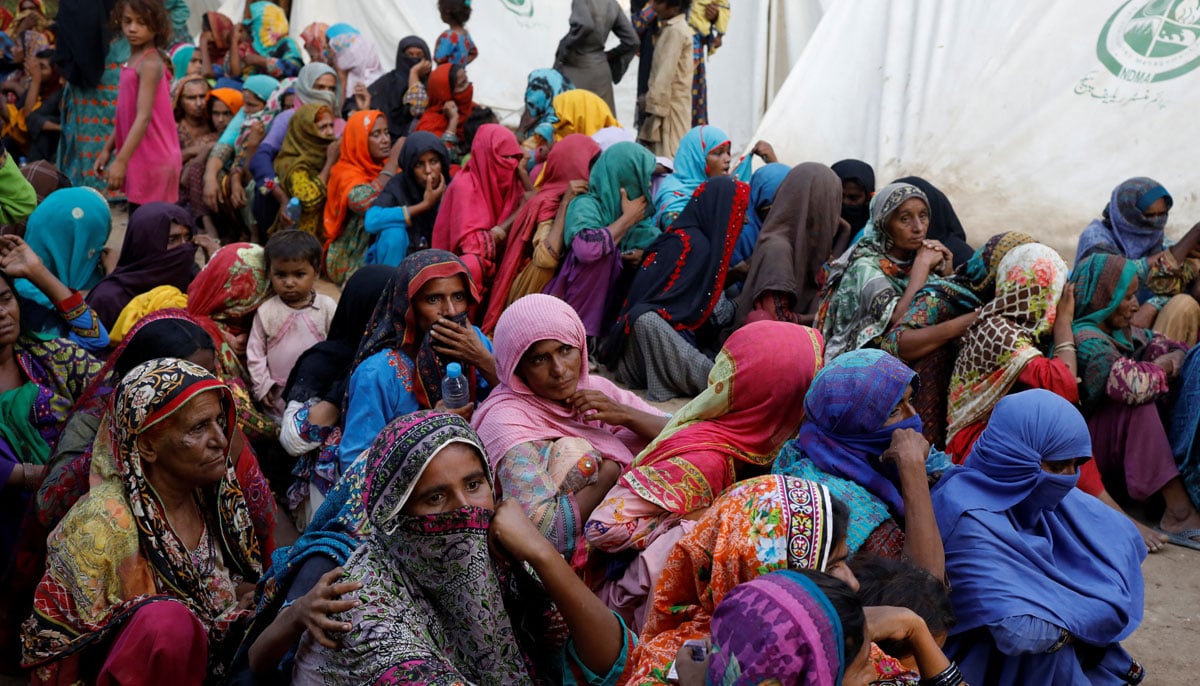
He noted that the IMF programme envisaged increasing BISP Kafaalat quarterly payments from Rs14,500 to Rs18,000 from January 2027 while expanding coverage to 10.2 million families.
Suleri also warned that the government could come under pressure to impose GST on fertilisers, pesticides and seeds, potentially affecting food security and agricultural costs.
"The budget should therefore prioritise timely fertiliser availability, small farmer support, nutrition programmes and provincial extension services rather than untargeted input subsidies," he said.
On climate resilience, Suleri said adaptation spending should be treated as "core economic protection, not as a side allocation".
He noted that the IMF programme required climate change weighting in public investment decisions to rise to at least 30% for infrastructure projects by August 2026.
A tight budget can still be a fair budget
— Executive Director SDPI Dr Abid Qaiyum Suleri
"Flood protection, water storage, drainage, heat resilience, irrigation efficiency and climate-sourced infrastructure deserve priority over politically attractive but low return schemes," he said.
Suleri added that Islamabad should avoid "the familiar mistake of cutting development, health, education and nutrition first whenever fiscal pressure rises".
"A tight budget can still be a fair budget if it protects the poorest, invests in children and makes stronger groups pay their share," he said.
Market impact
Meanwhile, Ahsan Mehanti, Managing Director and CEO of Arif Habib Commodities, called for market-friendly measures to encourage investment and industrial expansion.
He said new capital issues at the Pakistan Stock Exchange should receive tax rebates against super tax for five years to encourage larger initial public offerings and industrial expansion.
Mehanti also proposed a 20% tax credit on government debt issued through the PSX to increase participation and reduce the government's borrowing burden.
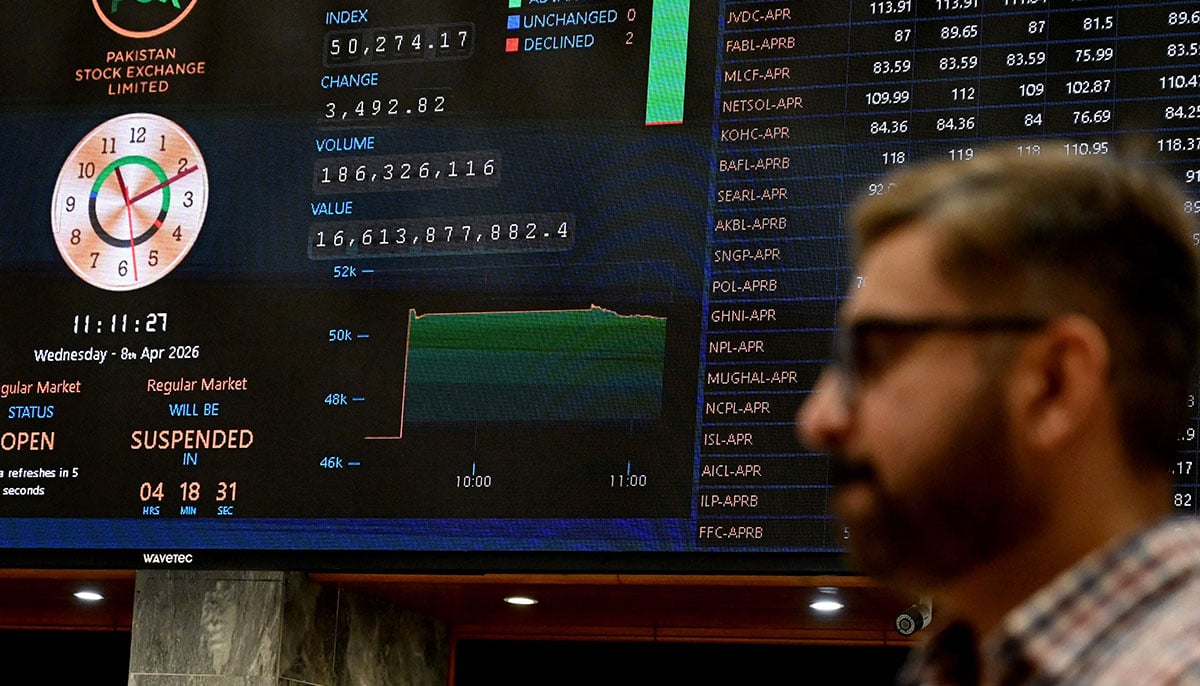
He further argued that the super tax should be removed, describing it as a major hurdle to growth that negatively affects large-scale manufacturing and employment.
Mehanti added that reforms aimed at resolving circular debt should focus on improving recoveries and rationalising gas prices to support exports and industrial survival.
Mehanti said he expected a capital market-friendly budget owing to SOE reform commitments, while also expecting further taxation on cigarettes, sugary manufacturers, luxury items and solar under the IMF programme.
With IMF-linked revenue and primary surplus targets looming large, analysts broadly expect the upcoming budget to prioritise fiscal stability and revenue mobilisation, although debate continues over whether the measures will deliver meaningful reform or deepen pressure on the documented economy and consumers.
The writer is a staffer at Geo.tv
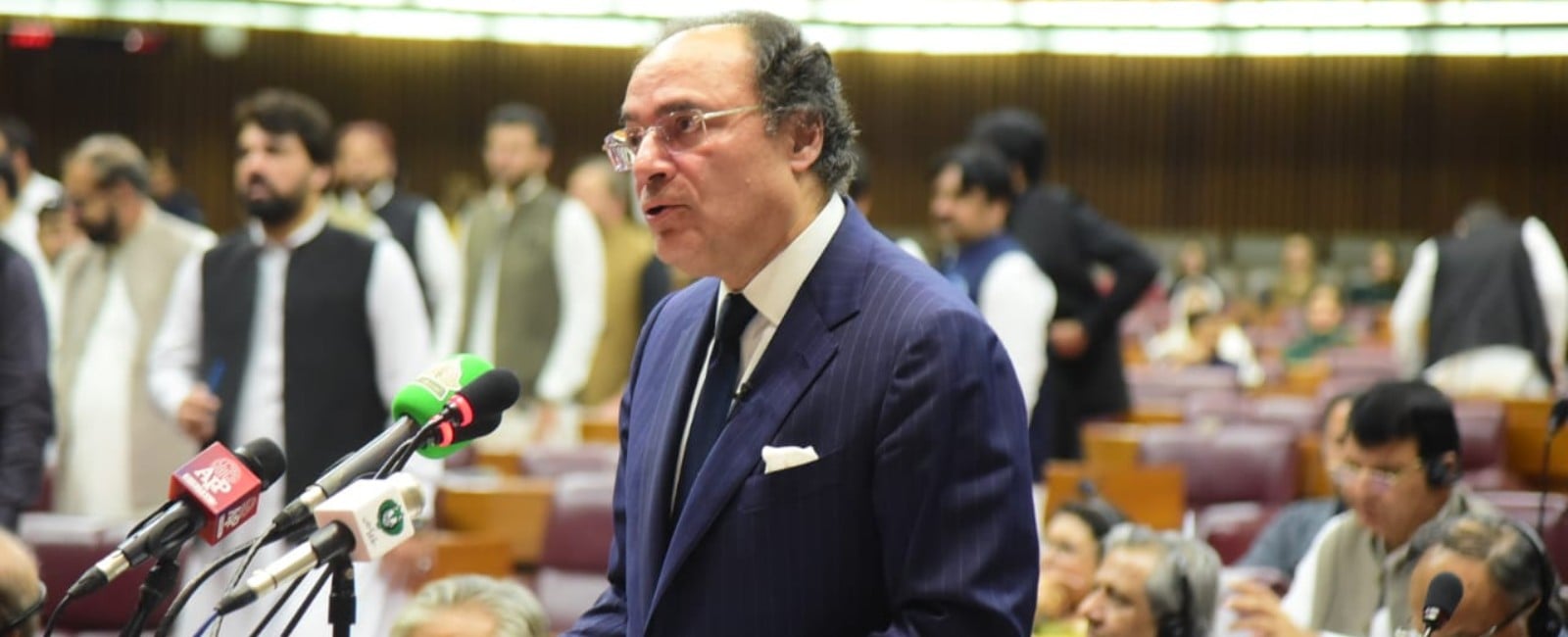
Cover image: Finance Minister Muhammad Aurangzeb addressing the National Assembly in Islamabad. — X@NAofPakistan/File