


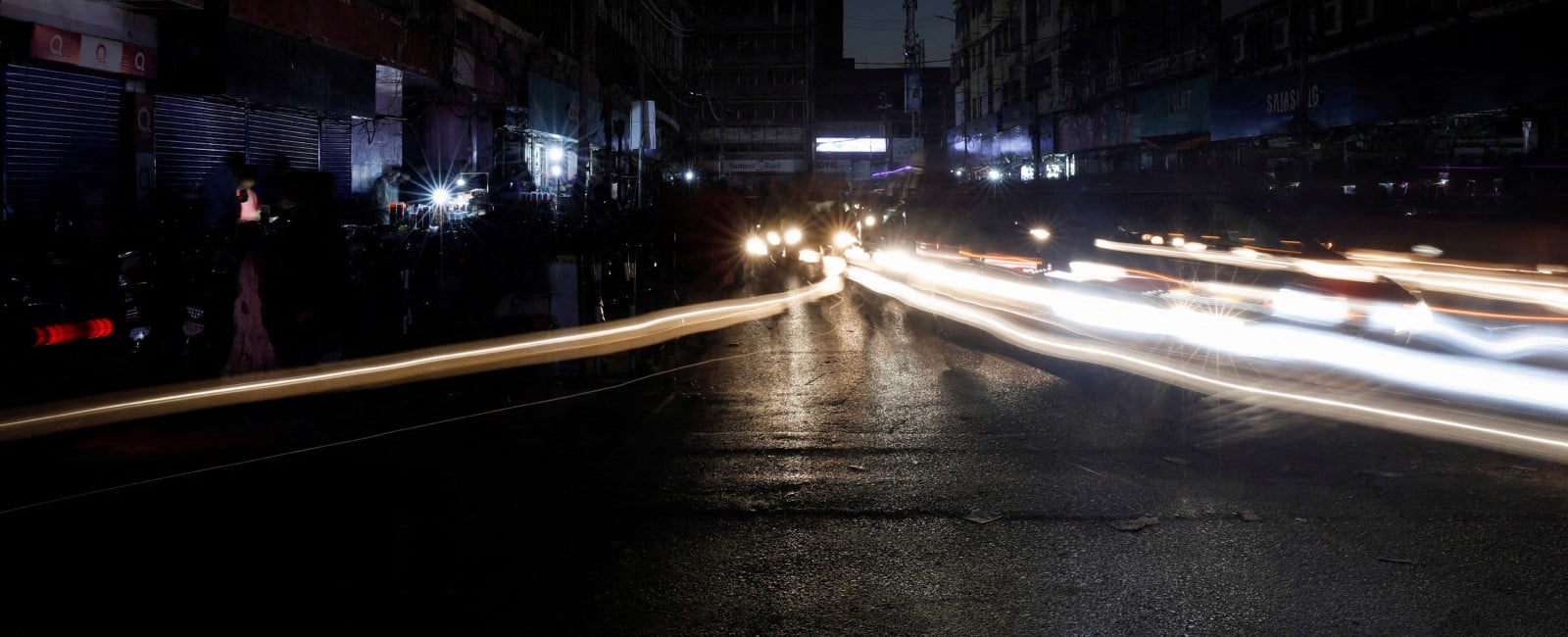
Living in the dark: The mental toll of power breakdowns
As scheduled and sudden outages continue in parts of the megacity, residents say the strain is seeping into sleep, work, family life and mental health




 Updated Tuesday May 26 2026
KARACHI: On some nights, the first sign is not darkness but silence — the fan slowing, the room becoming still, and the body beginning to understand before the mind fully does: the electricity is gone again.
In parts of Karachi, where loadshedding is mostly scheduled but can still arrive unpredictably, residents have learned to plan meals, sleep, work, study and even arguments around the availability of power.
The outage may last a few hours, but for many families, its effects stretch across the day: children wake up tired, parents lose patience, shopkeepers count losses, and entire households reorganise their routines around the fear of the next cut.
A survey of 142 Karachi residents conducted for this story found that 89% said loadshedding disrupted their daily routine, while 92% said outages affected their work or studies. Another 92% said power outages disturbed their sleep, especially at night, and 98% said they felt mentally exhausted due to repeated power cuts.
These numbers do not claim to represent all of Karachi. Several areas of the city remain loadshedding-free, and K-Electric has objected to any survey that assumes the entire metropolis is affected.
But in the neighbourhoods where power cuts remain a recurring part of life, the responses reveal a pattern: electricity failure is no longer experienced only as an inconvenience. It has become a psychological pressure point.
‘It feels like a robotic life’
For Adeela Nayab, a 40-year-old homemaker and remote worker living in Korangi, the problem is not limited to the hours without power. It is the mental calculation that surrounds those hours — when to cook, when to wash, when to charge devices, when to finish work, when children will sleep, and when the generator noise will begin.
Speaking about the emotional toll of managing a household and work during outages, Adeela described a home where stress has become part of the routine.
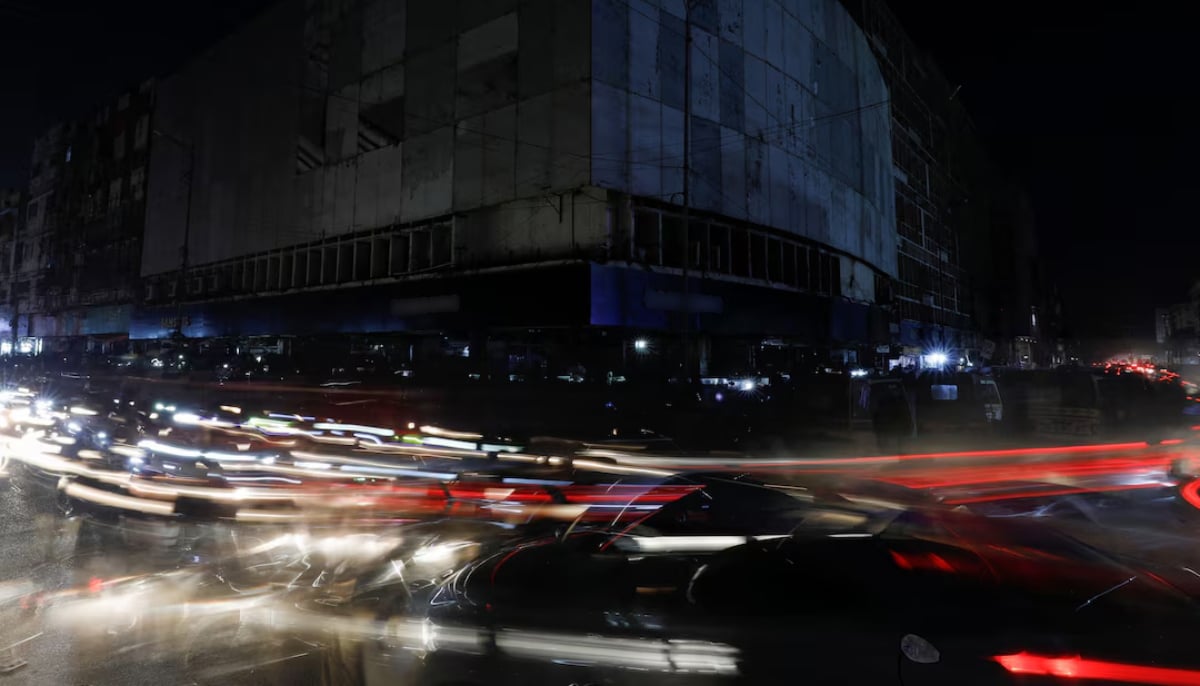
“The 24/7 stress of managing chores and waiting for electricity has caused severe strain among all family members, including children. School-going children, in particular, remain disadvantaged due to power shortages. All-day anxiety due to loadshedding is badly affecting family relationships, and even minor issues escalate into bigger conflicts. Generator noise is also a problem. It feels like a robotic life.”
The 24/7 stress of managing chores and waiting for electricity has caused severe strain among all family members.
— Adeela Nayab, homemaker and a remote worker
When asked about a moment when the household reached a breaking point, her answer was brief but telling. “We end up shouting at the children all the time due to exhaustion and anxiety.”
That sentence captures what many residents described in different ways: the emotional cost of an infrastructure problem is often paid inside homes, in the form of impatience, irritability and guilt.
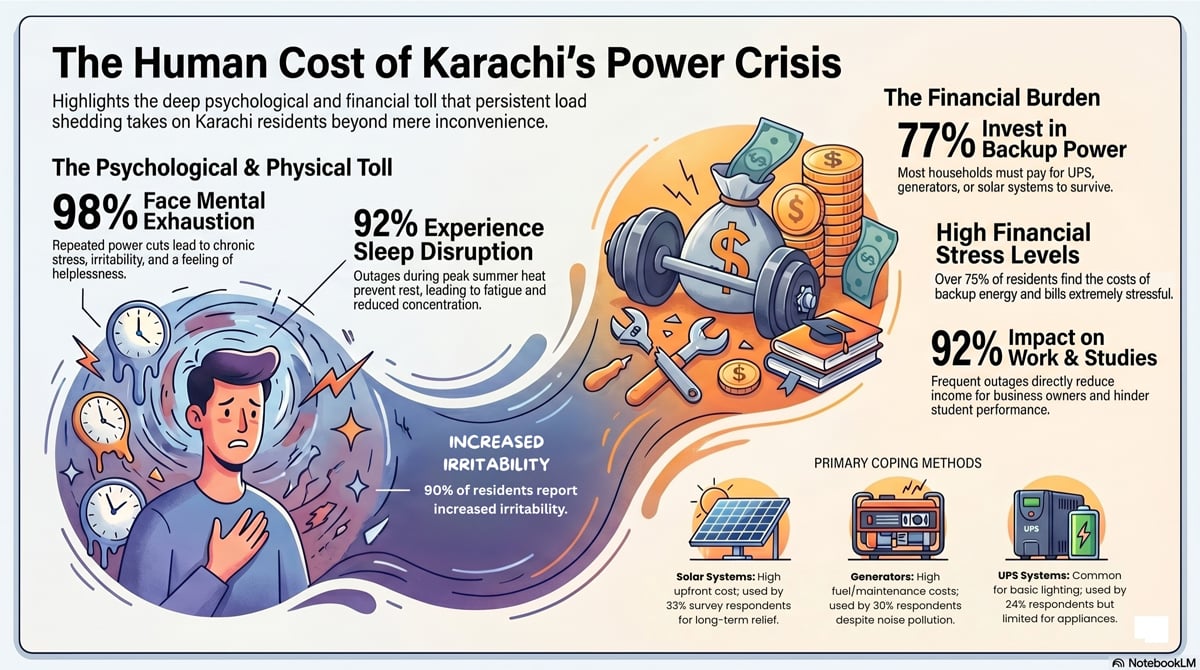
The survey supports this pattern. Around 90% of respondents said they became more irritable or short-tempered during outages, while 96% said they felt frustrated. Nearly 78% rated their anxiety during loadshedding at four or five on a five-point scale.
When the brain stays on alert
For psychologists, the distress described by residents is not simply a reaction to heat or darkness. It is linked to predictability, control and the body’s stress response.
Dr Amreen Rao, a consultant clinical psychologist, described repeated outages as a form of chronic and unpredictable stress. In her assessment, when people cannot predict when electricity will return or fail again, they lose the sense of control that normally helps them organise daily life. The brain, she explained, begins to operate as if it is constantly under threat.
She linked this to cumulative stress: financial difficulty, family illness, work pressure and household responsibilities pile on top of the outage itself. Over time, she said, people can become more irritable, concentration may deteriorate, sleep can be disturbed, and emotional fatigue can deepen.
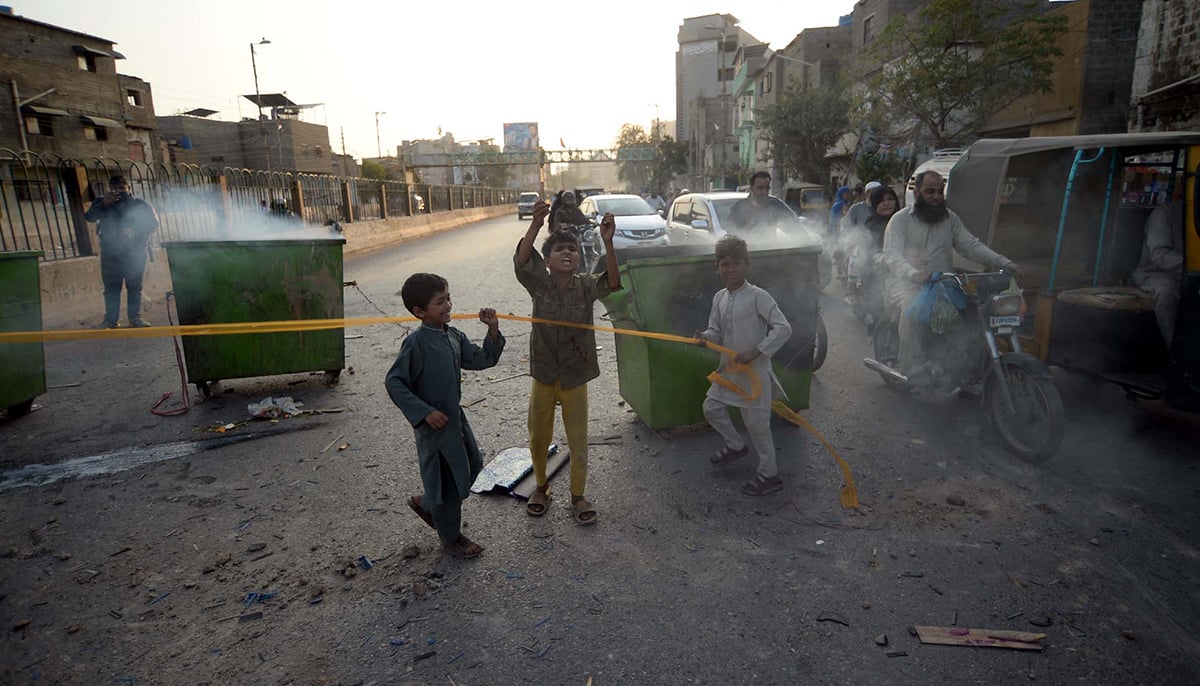
Dr Rao also pointed to learned helplessness, where repeated failure to control a situation leaves people feeling powerless. In Karachi’s affected areas, this helplessness is not abstract. It emerges when a mother cannot run a water motor, when a student cannot prepare for exams, when a worker cannot meet deadlines, or when a family must choose between paying electricity bills and maintaining backup power.
Dr Monica Vaswani, a psychiatrist, also connected the crisis to unpredictability. She said anxiety often rises when the brain is forced into “what-if” scenarios: what if the power goes out during cooking, what if the phone battery dies, what if the water pump cannot run, what if there is no fan during extreme heat?
In a modern city where most daily tasks depend on electricity, these fears are no longer occasional. They sit in the background of ordinary life.
The business of waiting
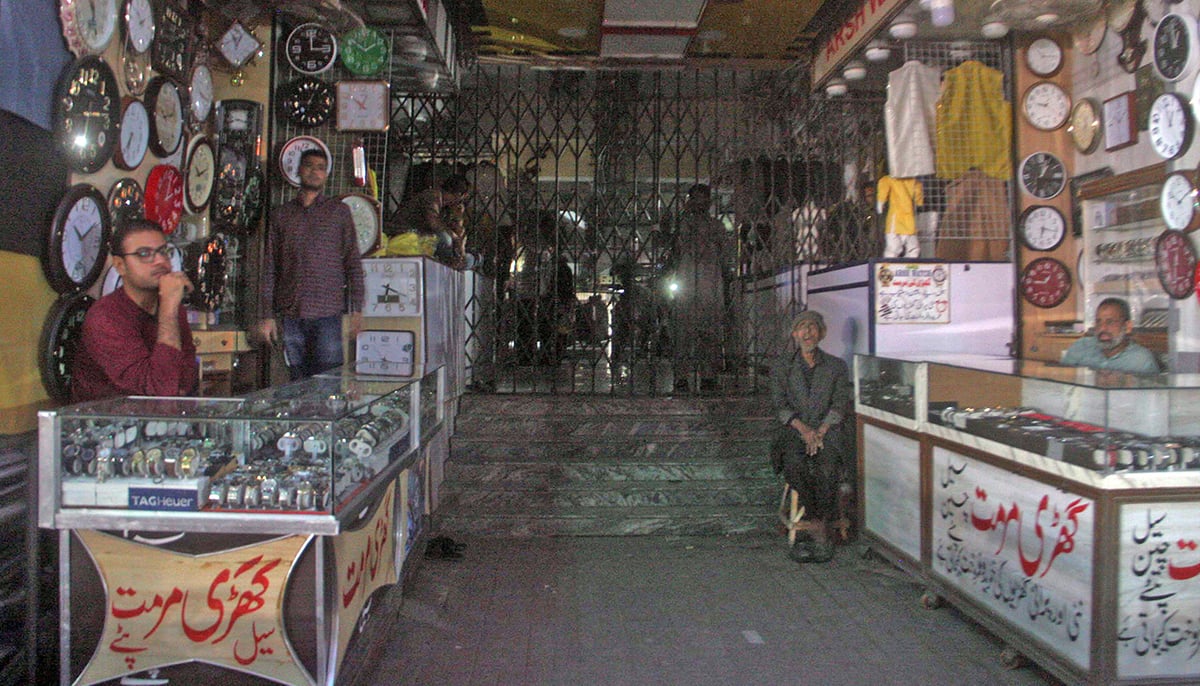
For shopkeepers, the outage is both emotional and economic. A few hours without electricity can mean fewer customers, damaged products, extra fuel expenses and the pressure of paying bills without receiving a reliable supply.
Sharjeel Ansari, 25, runs a medical store in Gulistan-e-Jauhar. His business depends on continuity — customers arriving, medicines being stored, and operations continuing through the day. But repeated outages, he said, have turned work into a source of financial and mental pressure.
“Yes, loadshedding has a direct impact on business operations, which ultimately affects overall income as well. As a shopkeeper investing full-time in a business, not earning the expected income because of loadshedding creates significant mental stress. The income we anticipate is simply not up to the mark due to constant power outages.”
Loadshedding has a direct impact on business operations, which ultimately affects overall income as well.
— Sharjeel Ansari, medical store owner
He said business owners were increasingly frustrated by scheduled and unscheduled outages.
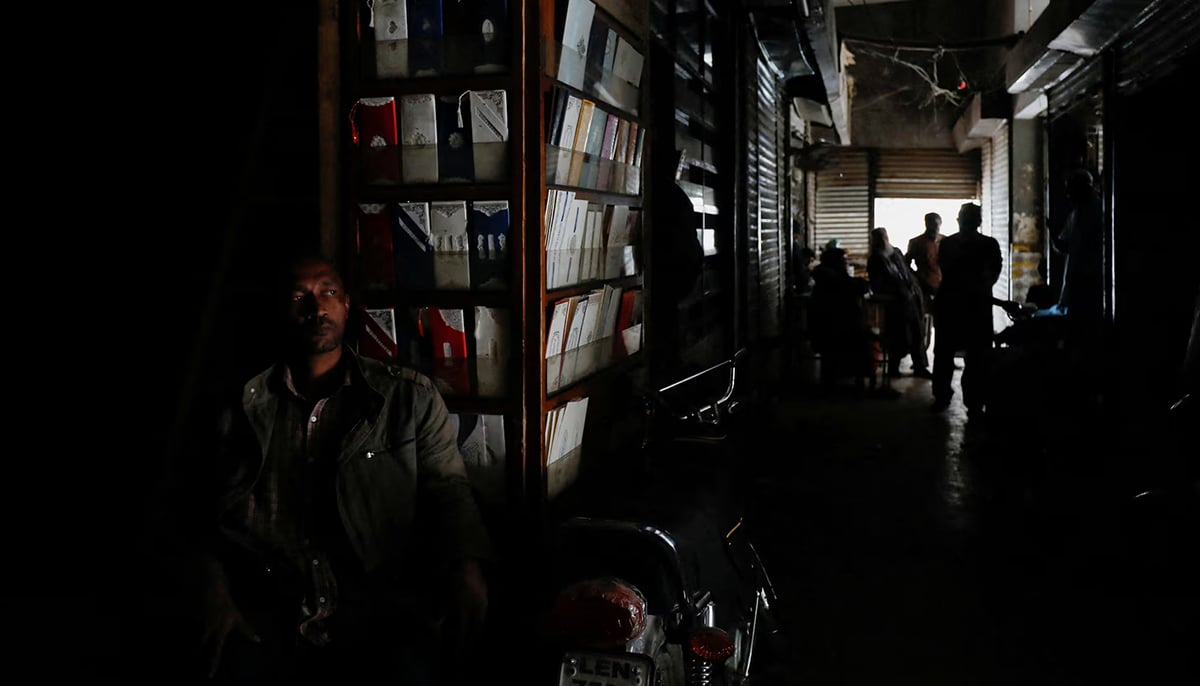
“Business owners are becoming increasingly frustrated because of both scheduled and unscheduled power outages, which lead to anxiety and panic attacks. As a result, many have to rely on medication to cope with anxiety and depression, disturbing their overall mental health.”
The cost is not only in lost income. Among survey respondents, 77% said they had invested in backup systems such as UPS, generators or solar panels. More than 73% rated outage-related costs as highly stressful, while 85% said rising electricity and backup expenses had increased stress within their households.
For many families, electricity has become a double bill: one paid to the utility, another paid to survive the utility’s absence.
The price of backup
Adeela said her household’s energy bill had increased sharply because of backup systems.
“The energy bill has increased manifold due to backup systems. It is nearly Rs30,000.”
Mahnoor Sabih, a 26-year-old homemaker, said her household had invested in solar because outages stretched for long hours in her area. But solar did not remove the financial burden; it only changed its shape.
“Our K-Electric bill is very high, and on top of that we spent a lot on installing solar because loadshedding is more than eight hours. Even with solar, we still pay for maintenance and batteries. To afford this, we had to cut down on other things like eating out, new clothes, and small comforts at home. Electricity has become one of our biggest monthly expenses.”
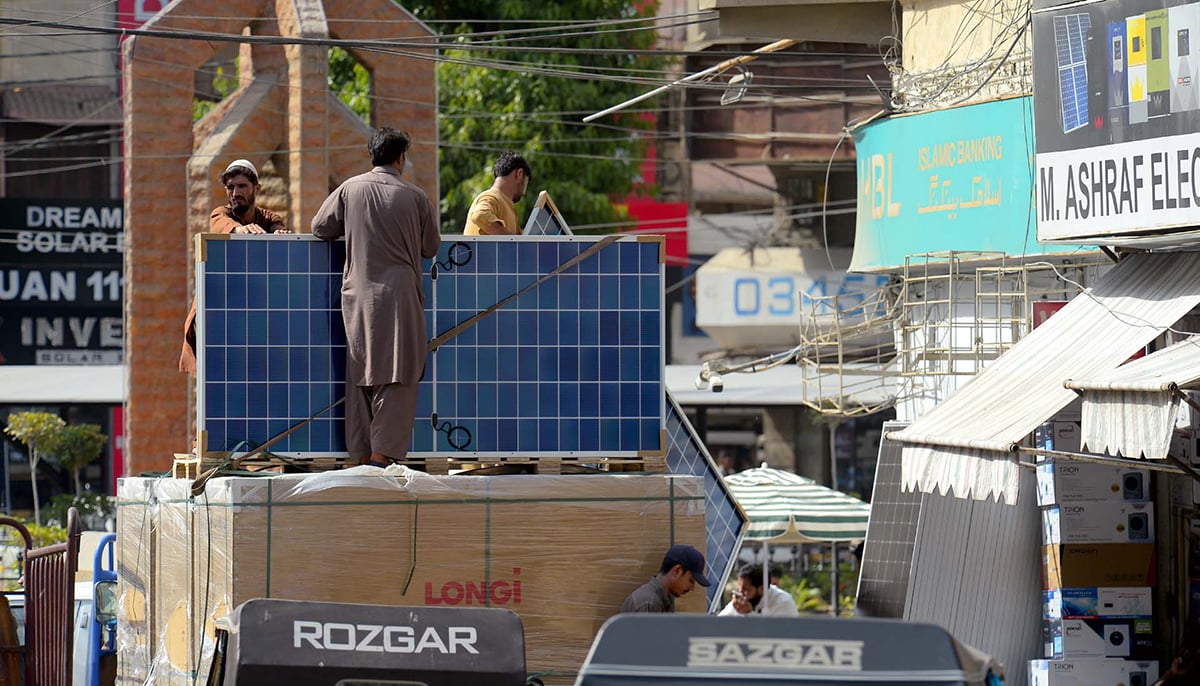
Her experience points to a wider inequality inside the crisis. Those who can afford backup systems are still strained by installation, maintenance, batteries and fuel. Those who cannot afford them simply wait in the heat.
In the survey, 25 respondents said they did not use any backup system and waited for electricity to return. Another 33 used solar systems, 30 used generators and 24 used UPS systems. The responses show how the crisis divides households not only by geography, but also by income and coping capacity.
Sleep, heat and exhausted household
Among the strongest findings in the survey was the impact on sleep. More than nine in 10 respondents said outages affected sleep, especially at night. Psychologists interviewed for the story repeatedly linked sleep disruption with irritability, reduced concentration, poor performance and strained relationships.
For Mahnoor, night-time outages are the hardest.
“Loadshedding happens for more than eight hours daily, and it is very unpredictable. It ruins sleep at night because there is no electricity during peak heat. I wake up tired every day, which makes me irritable and stressed at home. My daily routine is disturbed — cooking, cleaning, and even basic tasks become very hard. My husband feels less focused on work because of no proper rest.”
She recalled a night during last summer’s heat when the power cut pushed her household into exhaustion.
“Last summer, there was no electricity for six hours at night during a heatwave. The heat was unbearable, and we both felt helpless and frustrated. We ended up arguing out of exhaustion. The next day, both of us were drained and could not function properly.”
Dr Farah Iqbal, a psychologist at the University of Karachi, described electricity as deeply tied to both physical and psychological comfort in contemporary life.
She noted that outages in the morning disrupt children preparing for school and adults leaving for work, while failures during office hours break concentration and momentum. At night, she said, disturbed sleep creates a ripple effect that affects health, performance and relationships the next day.
Her analysis also placed the problem within Karachi’s built environment: congested homes and offices, poor ventilation, fewer open spaces, reduced greenery, heat, mosquitoes and pollution. In such surroundings, a power cut does not merely turn off appliances; it removes one of the few remaining buffers against discomfort.
K-Electric’s position
K-Electric, in its official response, said it regularly conducts kunda removal drives and customer facilitation camps in high-loss areas to address electricity theft and improve bill recovery.
The company's spokesperson said it had conducted nearly 45,000 kunda removal drives in the ongoing fiscal year till April 2026, adding that regular disconnections are carried out in areas with high distribution losses and low recovery.
The spokesperson said loadshedding is carried out in accordance with the National Electricity Policy 2021 and is also practised by other distribution companies across the country. It also argued that a national-level survey would be required to present a complete picture of the situation.
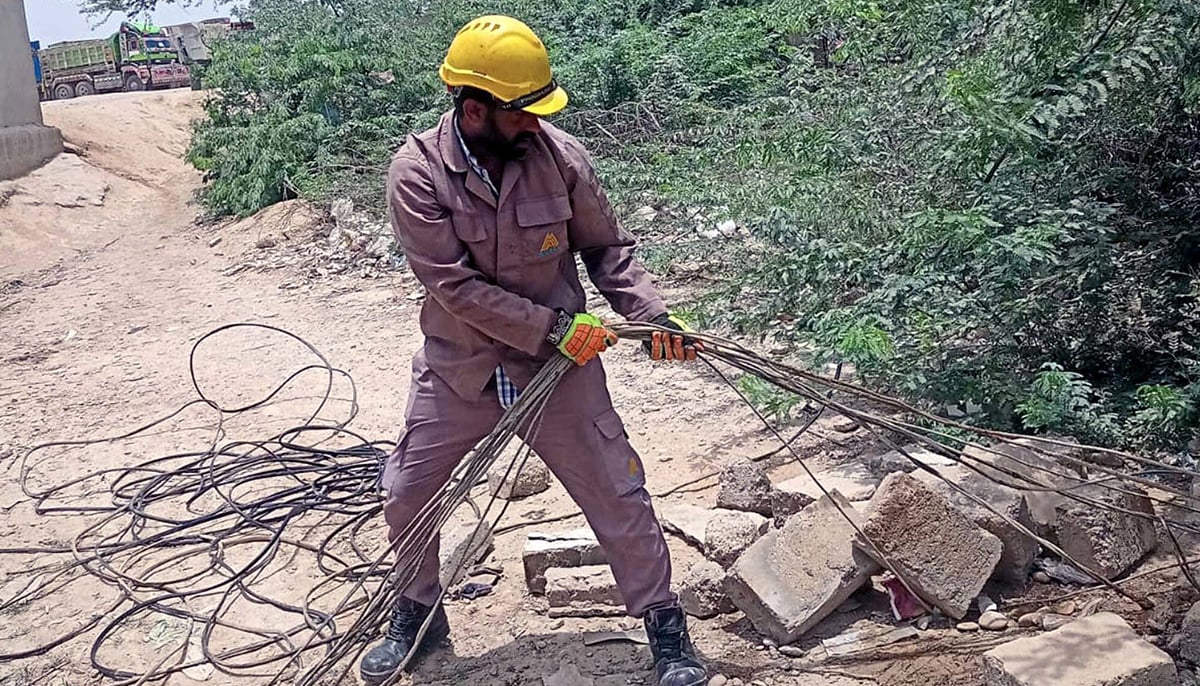
The spokesperson objected to the survey quoted by Geo.tv, saying it did not acknowledge loadshedding-free areas in Karachi and that the questions assumed, either partly or wholly, that the entire city was affected. The company said the respondents were limited in number and that there was “no data to establish random sampling or lack of bias”.
The utility also said it had expanded its loadshed-free network from only 6% at the time of privatisation to nearly 71% of its territory today. It said industrial feeders are completely exempt from loadshedding and that transmission and distribution losses had been reduced from nearly 34.2% to 14.7% since privatisation.
In a statement issued earlier, KE had mentioned: “Timely payments are a key factor in reducing or eliminating load shedding in an area.”
That context matters. Karachi’s electricity crisis is not uniform across the city, and the causes include theft, recovery, infrastructure and policy. But for residents living in affected areas, the technical explanation does not erase the lived experience of heat, stress, cost and helplessness. Bill-paying people complain that they should not pay the price because others aren’t fulfilling their commitments.
'Being punished for no fault of ours'
The story of loadshedding in Karachi is often told through megawatts, feeders, losses and recovery rates. Those numbers are important. But inside homes and shops, the crisis is also measured in unfinished homework, spoiled routines, broken sleep, raised voices, missed income and the quiet exhaustion of waiting.
Adeela’s sense of helplessness reflects the anger of many regular bill-paying residents who feel trapped between a system they cannot control and a daily life they must somehow manage.
“There is nothing but helplessness. We are being punished for no fault of ours. This is a failure of the state and K-Electric. If K-Electric can reduce power theft in one area, why can't it do the same in our area? They do not want to do it.”

For Mahnoor, the feeling returns most sharply at night.
“Yes, many times. At night in extreme heat, when there is no electricity and solar is not working, I feel helpless and anxious. I worry about my health and my husband’s health because we cannot sleep. It makes me feel emotionally exhausted.”
In a city built on endurance, residents have found ways to adapt. They charge phones early, store water when they can, shift chores around schedules, buy backup systems if they can afford them, and wait when they cannot. But adaptation is not the same as relief.
For many in Karachi’s affected neighbourhoods, the return of light is no longer the end of the problem. It is only a pause before the next calculation begins.