


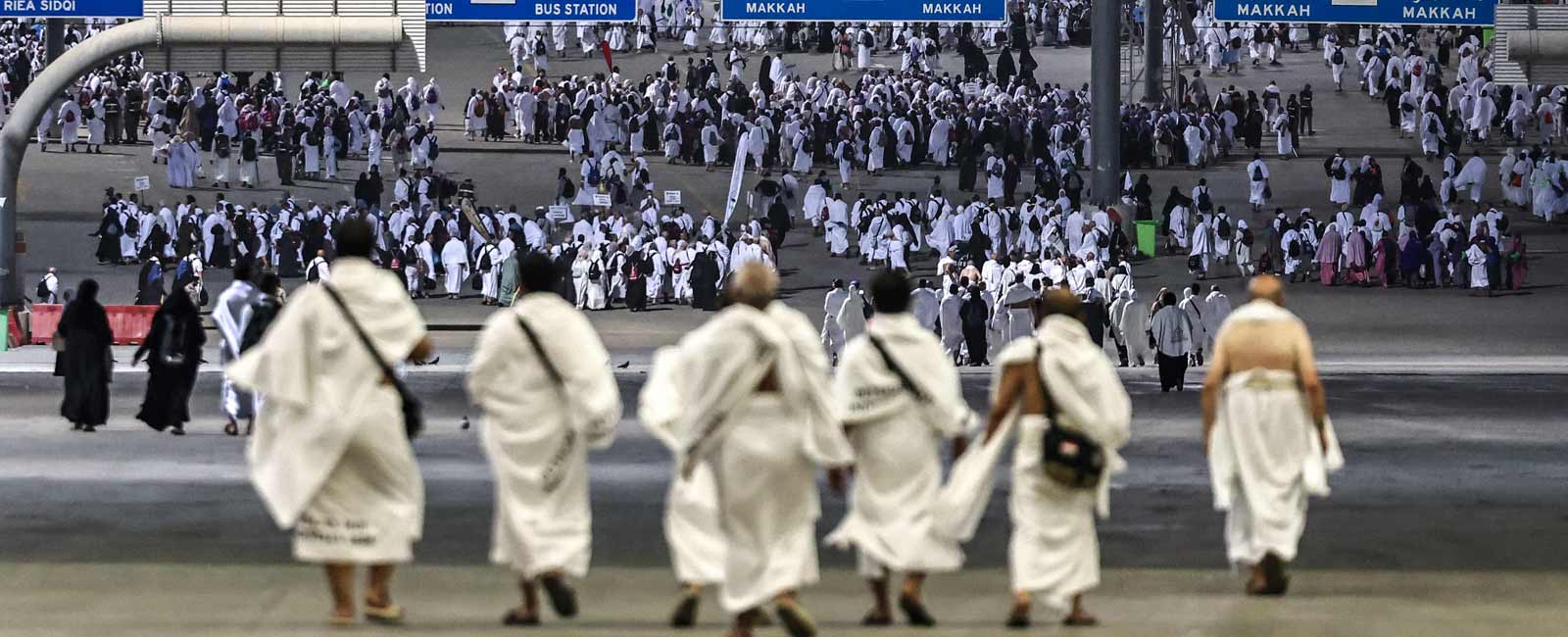
Pilgrims 'stone the devil' at Hajj amid intense heat
More than 1.7 million people taking part in Hajj this year




 Updated Wednesday May 27 2026
- Pilgrims gather in Mina for key ritual
- Eid ul Adha begins after completion of Hajj rituals.
- Pilgrims perform most of rituals in 44°C heat in Makkah.
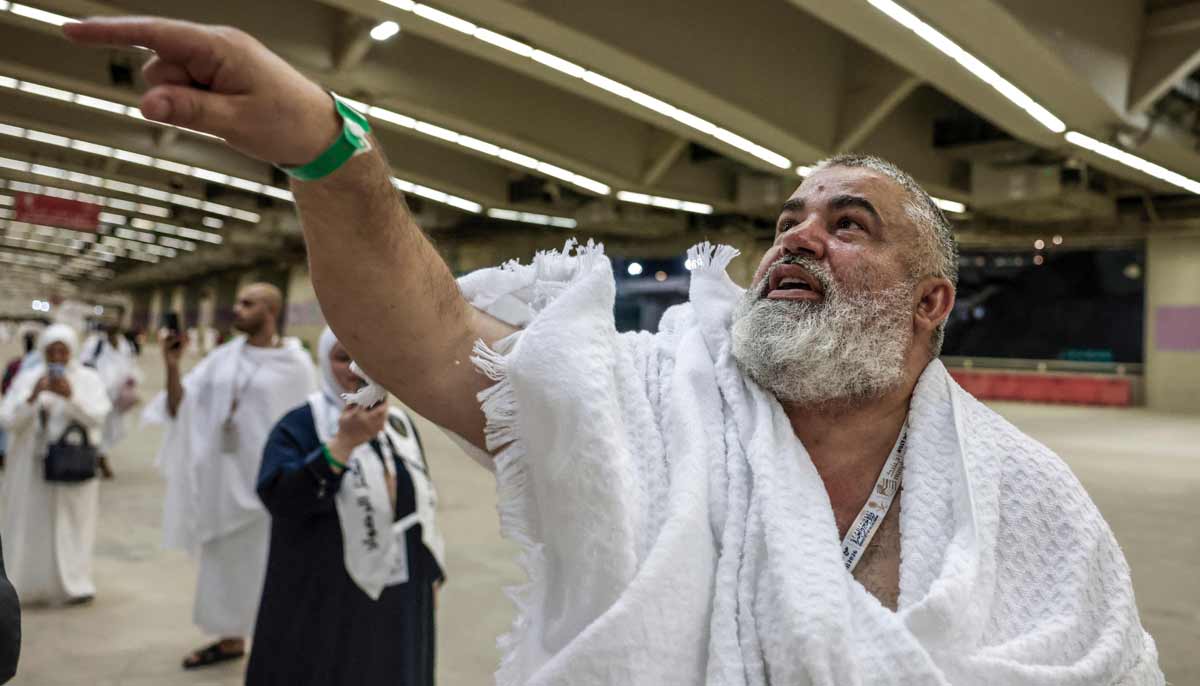
Muslim faithful ritually stoned the devil on Wednesday in the climactic ceremony of a Hajj pilgrimage held in intense heat and against the backdrop of a war that has plunged the wealthy Gulf into crisis.
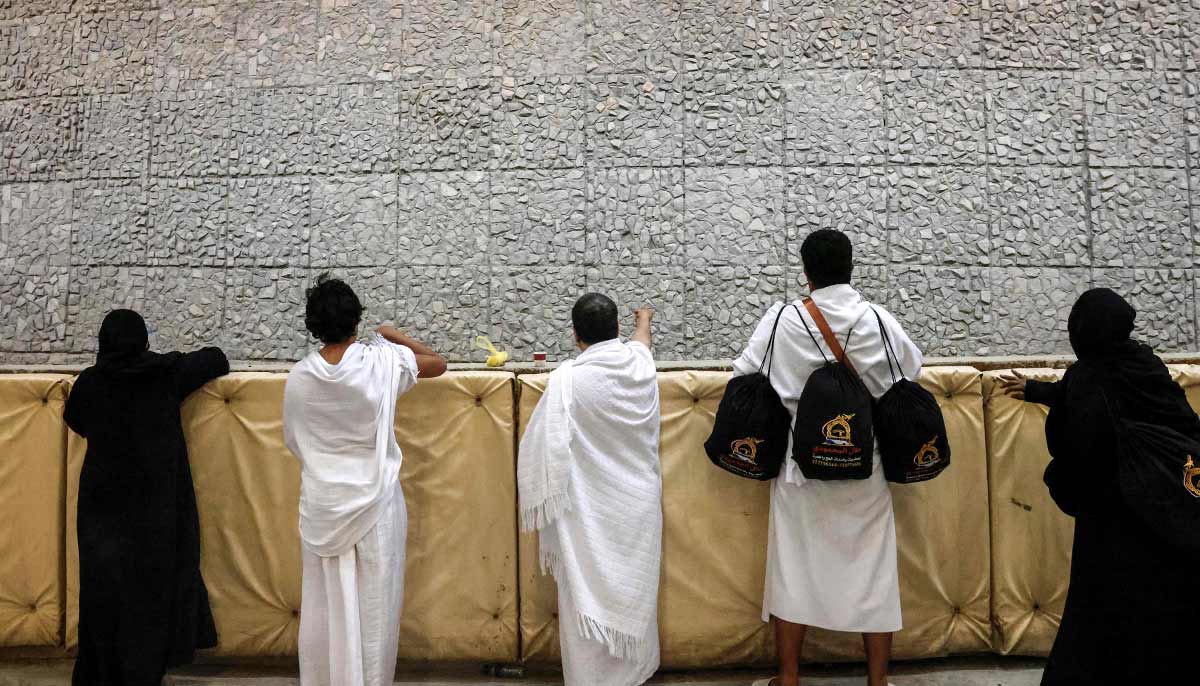
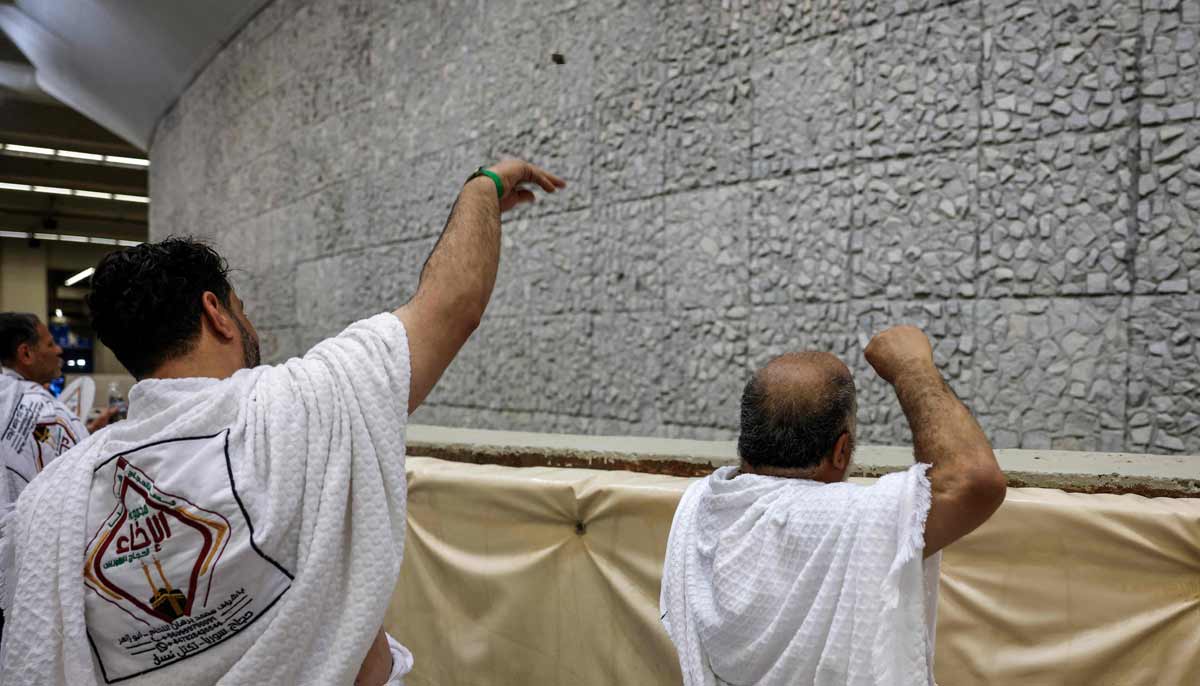
From dawn, crowds of pilgrims gathered in the valley of Mina, southeast of the holy city of Makkah in Saudi Arabia, to throw pebbles at concrete pillars symbolising the devil.
It reenacts the Prophet Ibrahim’s (AS) stoning of the devil at three places where Satan is said to have tried to dissuade him from obeying God’s command to sacrifice his son Ismael.
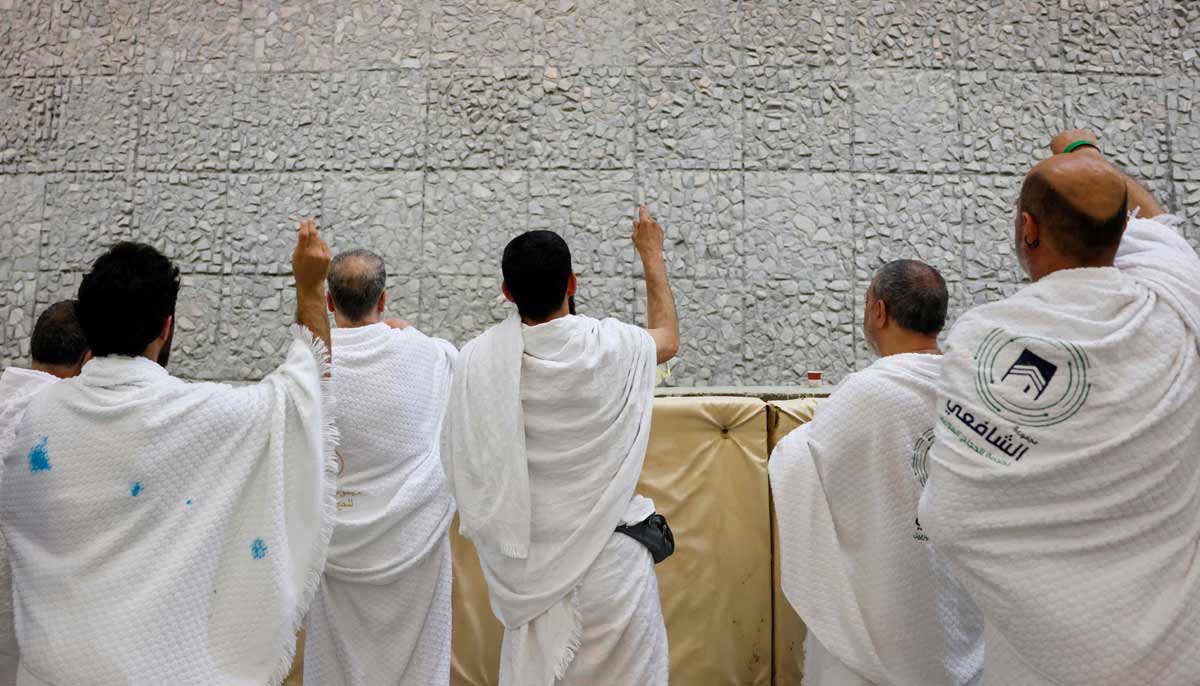
The white-robed pilgrims have been contending with searing desert heat as they perform the days-long, mostly outdoor rituals, with temperatures reaching 44℃ in Makkah and Mina on Wednesday.
After more than 1,300 died at the 2024 Hajj, when temperatures soared past 50℃, Saudi authorities ramped up anti-heat measures including giant fans, mist sprayers, cooled floors and trucks distributing drinking water.
More than 1.7 million people are taking part in the Hajj this year, slightly up from 2025 despite the Middle East war in which Iranian drones and missiles targeted sites in Saudi Arabia and its Gulf neighbours for several weeks.
The Strait of Hormuz, which normally carries one-fifth of global oil output, remains largely blockaded as a stop-start US-Iran peace process unfolds, dealing a blow to Gulf exporters and sending energy prices soaring.
'Extreme hardship'
Despite the physical challenges, many were overjoyed to complete the pilgrimage, which is one of the five pillars of Islam and must be performed at least once by all Muslims with the means to do so.
"I can’t believe I’ve finished the Hajj rituals," Iraqi pilgrim Adnan Hamad, 58, told AFP, as his daughters in white robes, or abayas, looked on.
"Every step was enjoyable despite the extreme hardship."
Marwa Dahchouri, from Egypt, called the devil-stoning "a truly unique feeling".
"It’s as if you were in paradise, or as if you’ve become a small part of it," she said.
On Tuesday, pilgrims prayed atop Mount Arafat, where the Prophet Muhammed (PBUH) is believed to have delivered his last sermon.
They then spent the night under the stars at Muzdalifah, halfway between Arafat and Mina, where they collected pebbles for the stoning.
After this ceremony, the pilgrims return to Makkah for a last circumambulation of the Kaaba, the cuboid building at the heart of the Grand Mosque towards which Muslims turn when they pray.
The Hajj’s last day is also the start of Eid ul Adha, the festival celebrating Abraham’s willingness to sacrifice his son before the angel Gabriel intervened and offered him a goat in Ismael’s place.
The festival, celebrated across the Muslim world, is usually marked with the slaughter of a sheep, with some of the meat given to the needy.