Oil slips 4% as US, Iran reach peace deal to reopen critical supply route
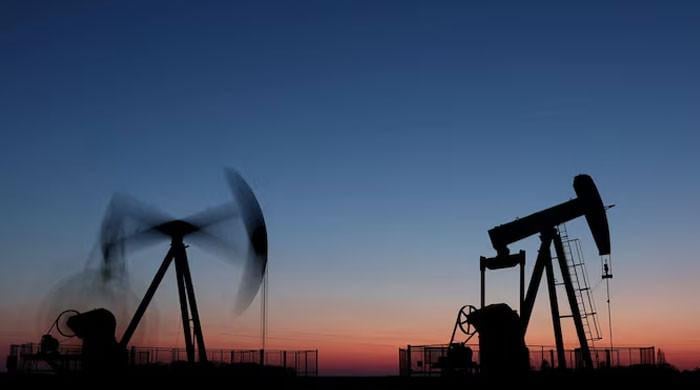
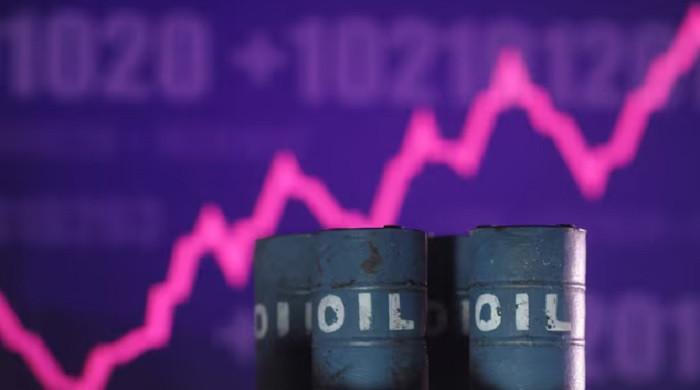
Brent crude futures fell $3.58, or 4.10%, to $83.75, and US WTI was at $80.87, down $4.01, or 4.72%
Published June 15, 2026
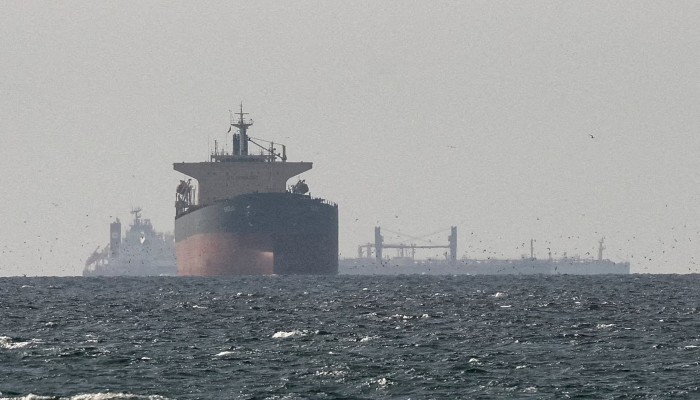
- US, Iran to sign MOU on peace deal on Friday, says PM Shehbaz.
- Deal includes reopening of Strait of Hormuz.
- Further talks on final agreement expected in next 60 days.
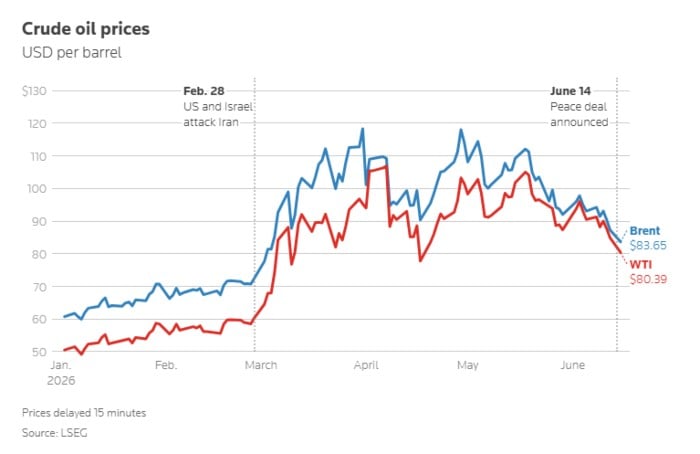
SINGAPORE: Oil prices slipped to their lowest since March on Monday after US President Donald Trump and Iran's deputy foreign minister said they had reached an initial deal to end the war and to resume traffic through the Strait of Hormuz.
Brent crude futures fell $3.58, or 4.10%, to $83.75 a barrel by 0004 GMT and US West Texas Intermediate was at $80.87, down $4.01, or 4.72%. Both contracts tumbled more than 3% on Friday.
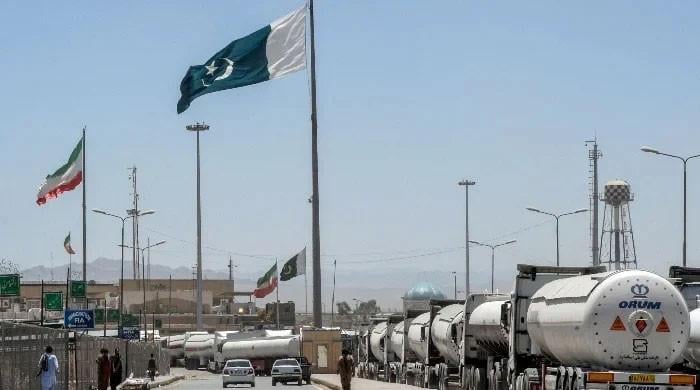
The US and Iran will sign a memorandum of understanding in Switzerland on Friday, said Prime Minister Shehbaz Sharif, with Pakistan having served as a mediator. Trump said on Sunday that the Strait of Hormuz would be open "toll free" and that a US naval blockade of Iranian ports would also end.
Iran's semi-official Mehr news agency said the draft deal called for reopening the Strait of Hormuz within 30 days under Iranian arrangements.
"The geopolitical risk premium that had been built into crude is now being unwound quite aggressively as traders price in the prospect of restored oil flows," said Tim Waterer, chief market analyst at KCM Trade.
The world has lost millions of barrels of oil and gas supply since the war closed the Strait of Hormuz, a chokepoint for a fifth of the world's oil and liquefied natural gas supplies, for more than three months.
Investors are also watching cautiously how quickly Middle Eastern producers can resume oil production and exports following damage from the war and whether more ships will enter the region.
"While these uncertainties suggest upside risks to our forecast for Brent oil futures to reach $80/bbl by the end of the year, it's worth noting that oil flows through the Strait of Hormuz just needs to reach 60-70% of pre-war levels to return oil markets to pre-war oversupply expectations," Vivek Dhar, a commodities strategist at Commonwealth Bank of Australia, said in a note.
Iran's deputy foreign minister, Kazem Gharibabadi, said a more expansive agreement would be negotiated during a 60-day ceasefire period.
E4 nations, which include the UK, France, Germany and Italy, said on Sunday the countries were prepared to lift sanctions on Iran in response to steps on its nuclear programme.
"Given the uncertainties around the next round of negotiations over the next 60 days, particularly around the nuclear aspect, it’s hard to see crude oil prices falling too much further from here immediately," IG market analyst Tony Sycamore said.