Yemen's Houthis declare naval blockade on Saudi Arabia, widening threat to global oil supplies
Disruption would add to massive cut to global oil flows from war in Gulf, which has already reduced shipments by 10%
Published July 20, 2026
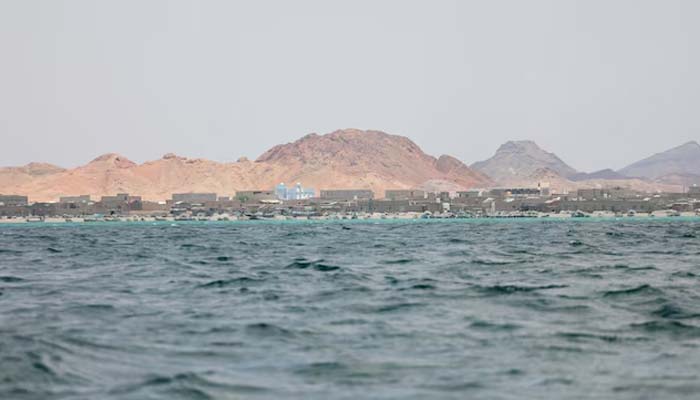
- Yemen's Houthis declare 'maritime embargo' on Saudi Arabia.
- Move extends threat to global energy supplies beyond the Gulf.
- It follows signs of diplomatic efforts to de-escalate conflict.
DUBAI/CAIRO: Yemen's Iran-aligned Houthis said on Monday they were imposing a naval blockade on Saudi Arabia, a move that opens a new front against the United States in its war on Iran and widens the threat to global energy supplies and trade beyond the Gulf.
Iran had pressed the Houthis to close the Bab el-Mandeb gateway to the Red Sea if the US continued to attack Iranian power infrastructure.
There was no immediate response from Saudi Arabia.
The full closure of the Bab el-Mandeb strait would reduce global oil supply by 7% as it would leave most of Saudi oil exports unable to leave the region. The disruption would add to the massive cut to global oil flows from the war in the Gulf, which has already reduced shipments by 10% of global supply.
Diplomatic push to restore ceasefire
The Houthis' announcement followed signs from both Iran and the US that they wanted to resume diplomatic efforts to end an escalating cycle of attacks that has all but wrecked a fragile interim agreement signed last month.
A senior Iranian official told Reuters on Monday that Tehran had received a proposal from mediators for a 10-day ceasefire in an effort to salvage the interim deal, intended to pave the way to a lasting agreement to the war that began on February 28 with US-Israeli attacks on Iran.
Oil prices briefly jumped above $90 a barrel earlier on Monday after renewed disruption to shipping through the Strait of Hormuz. They later pared gains after Iran's Foreign Ministry said mediators had recently presented proposals to Tehran, signalling that diplomatic contacts remain active.
Neither the ministry nor the official who spoke to Reuters gave any further details on the putative ceasefire discussions.
Separately, two Pakistani government sources said Iran's Interior Minister Eskandar Momeni, making his second visit to Islamabad in less than a week, had asked Pakistan to resume its mediation role in Iran's conflict with the United States.
The diplomatic flurry came after Iran's Revolutionary Guards said they had struck US military assets across the region following another night of US bombardment of Iranian cities.