Solicitor defrauded mosque Imam's family in around £1m scheme, sent money to Pakistan
UK court orders Javed to repay £834,000, together with recoverable rental income received from properties
Published July 28, 2026
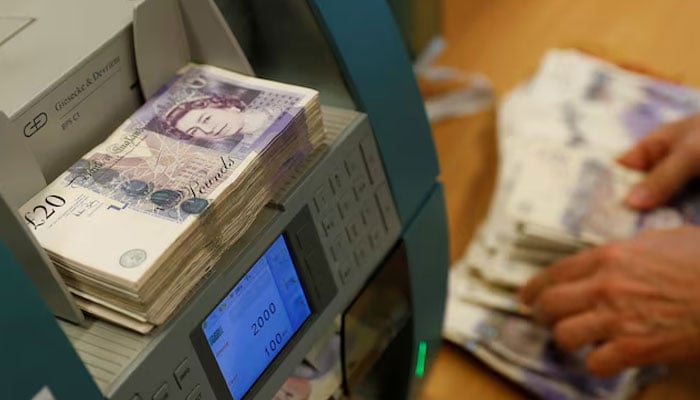
LONDON: A High Court judge has found a solicitor liable for fraud and fraudulent breach of trust after ruling that he exploited the complete confidence placed in him by a East London mosque imam and his family, misused £834,000 entrusted for Sharia-compliant property investments, and treated the money as if it were his own.
In a 73-page judgment — Mashal & Ors v Javed & Ors [2026] EWHC 1269 (Ch), Deputy High Court Judge Christopher Pymont KC described solicitor Awais Javed as an "entirely dishonest witness, by turns argumentative, evasive and untruthful", concluding that his dealings with the Mashal family were marked by "secretiveness and dishonesty" throughout.
At the heart of the case was the relationship between Javed and Mashal, an imam of the East London Mosque in Whitechapel. The court heard that Mashal had taught Javed Arabic and Islamic studies after the latter arrived in Britain as an international student from Pakistan. Over the years, Mashal became a mentor and father figure to him, regularly welcoming him into his family home.
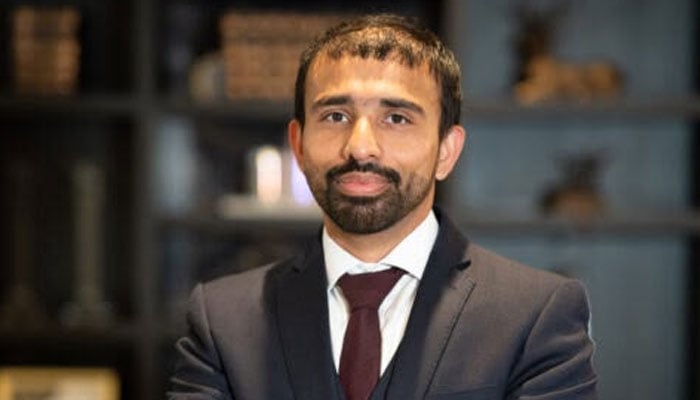
The judge accepted that the Mashal family's trust in Javed stemmed not only from that close personal relationship but also from his status as a qualified solicitor, admitted to the roll in 2016.
The family agreed to invest in a property venture proposed by Javed that the arrangement would comply with Sharia principles, avoiding interest, and the family would contribute half of the capital while Javed would contribute the remaining half, with properties held through special purpose companies and protected by deeds of trust.
Instead, the High Court found that Javed contributed none of his own money, acquired properties using the family's funds, subjected them to conventional interest-bearing mortgages contrary to the agreed Sharia structure, diverted substantial sums for his own purposes, and failed to provide honest accounts of what had happened to the money. Between 2018 and 2019 the family transferred £834,000, including £80,000 in cash, into accounts controlled by Javed - much of the money represented family savings and inheritance intended for investment.
Judge Pymont said he had "no doubt" that the Mashal family placed complete trust and confidence in Javed but instead of honouring that trust Javed operated as secretively as he could and dishonestly manipulated the situation to his advantage, repeatedly concealed the truth, told half-truths and lies in order to avoid giving a proper account.
The judgment records that after selling his own home, the family's concern was that Javed "transferred the proceeds, along with other moneys of the claimants, to Pakistan" before making himself bankrupt to cheat the family completely and to avoid paying them anything.
The judge rejected key parts of Javed's evidence, including his denial that he had received £80,000 in cash from the family, with the judge concluding that Javed's denial was "entirely dishonest”.
The court accepted evidence that Mashal did not testify because the events, engineered by Javed, had taken a devastating toll on his health. His children, who were the claimants, told the court their father had been deeply affected by what they described as the betrayal of someone he had regarded almost as a son. The judge accepted that explanation, noting evidence that the imam had suffered mentally and physically from the humiliation of being deceived by someone whom he had mentored and trusted as both a family friend and a solicitor.
Judge Pymont concluded that Javed acquired the assets in breach of trust and fiduciary duty using the family's money without their informed consent.
The court ordered Javed to repay £834,000, together with recoverable rental income received from the properties, subject to adjustments for payments already made. It also declared proprietary interests over the remaining properties and awarded compound interest at 8% per annum. Judge Pymont expressly confirmed that his decision was based on findings of fraud and fraudulent breach of trust, ensuring the judgment would not be extinguished by Javed's bankruptcy discharge.
Javed told Geo News in a statement: “I respectfully disagree with the findings of the judgment, which I consider to be factually incorrect and unjust. I intend to exercise my right to appeal through the appropriate legal process and remain confident that the appeal will provide the opportunity for the relevant facts and evidence to be fully considered.”