Oil steady as traders assess shipping flows; monthly gains in sight
Brent up by 47 cents to $89.50, WTI crude gains 4 cents to $83.63 a barrel
Published July 31, 2026
- Despite latest fluctuation, monthly gains remain strong.
- Hormuz shipments offset Middle East tensions.
- US-Iran talks yield no major breakthrough.
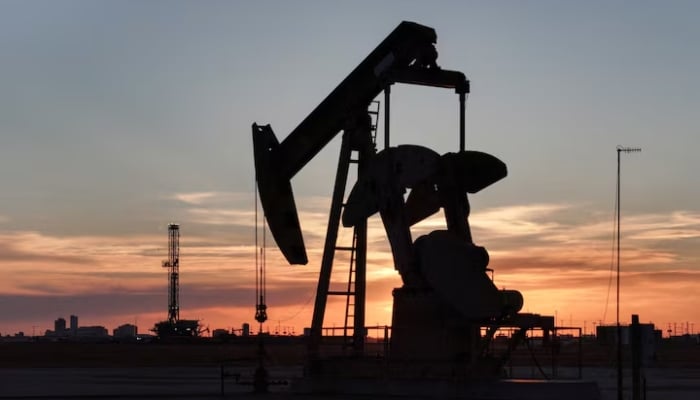
Oil prices were steady on Friday and on track for a monthly rise as traders assessed supply flows through key maritime chokepoints and developments in US-Iran talks.
Brent futures were up 47 cents, or 0.53%, at $89.50 a barrel by 0952 GMT, while US West Texas Intermediate (WTI) crude was up 4 cents, or 0.05%, to $83.63 a barrel.
Brent was on track to rise 22% in July and WTI 20%, snapping two straight months of declines for both benchmarks.
Crude oil edged lower as rising tensions in the Middle East were offset by signs of increased shipping through the Strait of Hormuz, ING analyst Daniel Hynes said.
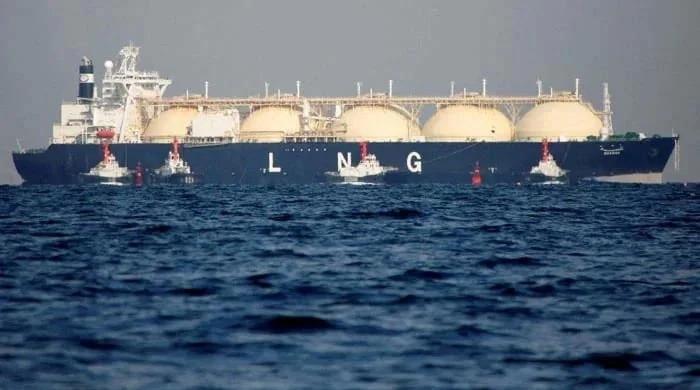
The strait, which usually carries about a fifth of global shipments of crude oil and liquefied natural gas, has been a focal point for oil markets as it has been largely blockaded since the February 28 launch of the US-Israel war on Iran.
Saudi Arabia seeks to lead a coalition to boost defence cooperation in the Bab El-Mandeb Strait, the Red Sea and the Gulf of Aden, all chokepoints for energy supplies.
The Saudi defence ministry said 14 nations, including Djibouti, Egypt, Pakistan, Sudan and Turkiye, were in support of the multinational maritime defence coalition.
Houthis in Yemen declared a naval blockade last week on Saudi Arabia, threatening the Red Sea route for its oil exports, an alternative to the Strait of Hormuz.
Although tanker traffic has continued through the Strait of Hormuz and the Red Sea, higher security risks have boosted freight costs and insurance premiums to embed a significant geopolitical risk premium in oil prices, said Priyanka Sachdeva, analyst at Phillip Nova.
"While prices eased from recent highs, the broader trend remains constructive," Sachdeva said.