UK heads for fifth heatwave as record number of 30°C days raises crop concerns
Frittenden in Kent reached 30.6°C on Sunday, with temperatures expected to rise to around 32°C in parts of southeast
Published August 10, 2026
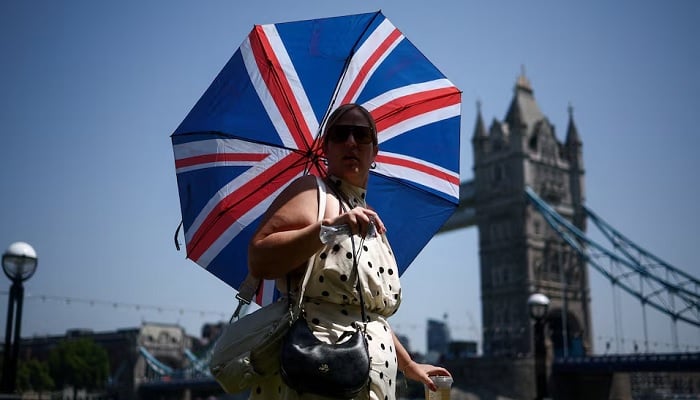
- 35 days above 30°C have broken the 1995 record.
- Heat and drought threaten crops and food supplies.
- Northwest Scotland faces heavy rain amid the heat elsewhere.
The UK is heading towards its fifth heatwave of the year, with temperatures forecast to reach 36°C in parts of eastern and southeastern England next week, after the country recorded a record number of days above 30°C, according to the BBC.
Frittenden in Kent reached 30.6°C on Sunday, taking the number of days this year when temperatures of at least 30°C have been recorded somewhere in the UK to 35, surpassing the previous record of 34 set in 1995.
Forecasters expect temperatures to rise further next week, with parts of East Anglia and southeast England potentially reaching 36°C by Thursday. Monday is expected to be cooler before temperatures climb again.
The heat and prolonged dry conditions are already affecting British agriculture.
English farmers have been contending with the driest July ever recorded by the Met Office weather agency — unwelcome news for those like Pawsey who have only seen paltry yields of crops such as oats, wheat and vetch.
Concern over food security has gripped Britain's headlines amid a series of heatwaves this year.
"It suddenly, completely dried out," UK farmer John Pawsey told AFP. For weeks the drought "just seems to have gone on forever" on his farm in the eastern county of Suffolk.
"All of our fears were realised when we got our combines into the field and realised that actually the yield was ... between 25 and 30% down," Pawsey said.
His family has tilled the Suffolk soil since a Scottish great-grandfather moved there, one of many farm workers who flocked south following the late 19th century agricultural depression.
Like his ancestors, Pawsey, 62, is navigating a turbulent future.
"I am worried about the coming years," he admitted.
The drought is the most recent weather-related challenge to hit the nation's farmers over the past five years.
Food growers must learn to adapt, Pawsey urged, adding that dynamic farmers should view the changing climate as an "opportunity."
His organic farm has experimented with new crops, like fava beans and chickpeas more suited to hotter, drier climates, and techniques to build resilience such as pairing two different crops in the same field to force them to grow as they compete for space and nutrients.
The government needs to support farmers in "making a transition" towards using similar methods, Pawsey argued.
Food security expert Timothy Benton endorses farming less intensively, saying "a more circular, diverse farming system" would be more secure and less dependent on imports of such things as fruits and fertilisers.
"Climate impacts will become greater," Benton told AFP, adding "food systems will have to change".
"We're not investing enough in the forms of technological innovation to address a larger crisis," he said.
Benton argued: "Food is not just food, it's what you grow, produce and the products and processes needed to bring it to the general population."