Oil rises as Iran-Oman Hormuz deal nears but reopening remains uncertain
Brent crude climbs 0.9% to $84.32 a barrel, while US crude adds 0.7% to $78.74 amid Hormuz uncertainty
Published August 10, 2026

- Oil firms as uncertainty persists over Gulf peace talks.
- Nikkei index rises, Nasdaq futures end mostly flat.
- Markets pare US rate-rise bets ahead of CPI report.
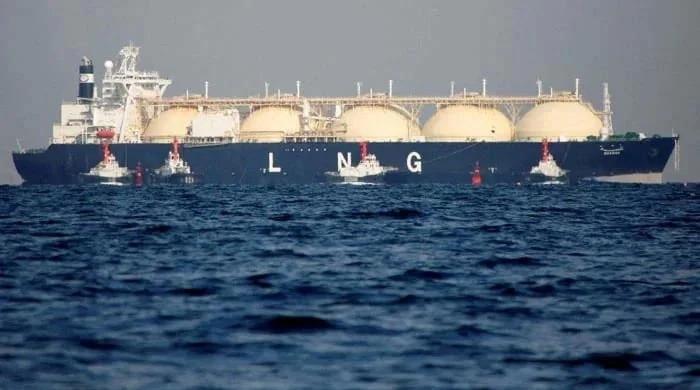
Oil prices rose on Monday as uncertainty persisted over the reopening of the Strait of Hormuz, with Iran saying an agreement with Oman on new shipping lanes was in its final stages but that the waterway would only reopen once the United States met additional conditions.
Brent crude rose 0.9% to $84.32 a barrel, while US crude gained 0.7% to $78.74. Commercial shipping through the strategically important waterway remained severely disrupted.
The latest rise in oil prices comes as markets assess the prospects for a broader Gulf peace deal and its potential impact on global energy supplies. Any sustained disruption to traffic through Hormuz, a key route for global oil shipments, could keep pressure on prices.
Asian share markets meanwhile edged higher, following Wall Street’s gains after a softer US jobs report reduced expectations of near-term interest rate increases. Japan’s Nikkei rose 0.6%, while South Korea’s benchmark index gained 0.5%.
The focus now turns to the US consumer price report due on Wednesday, with analysts expecting headline inflation to rise 0.1% and core inflation to increase 0.2%.
A stronger-than-expected reading could revive expectations of a Federal Reserve rate increase next month.
“Our forecast for core CPI of 0.22% is probably not quite firm enough to prompt a hike from the Fed at the September meeting, though repeated prints closer to 0.3% could do it,” said Michael Feroli, chief US economist at JPMorgan.
“One thing we are watching for is any rebound in core goods prices after a two-month stretch in which they fell.”
Markets have reduced expectations of a September rate move, with futures now pricing in about a 44% chance, down from 67% a week ago.
The shift in rate expectations helped US Treasury bonds rally on Friday and pushed Wall Street stocks to record highs. MSCI’s broadest index of Asia-Pacific shares outside Japan edged up 0.3%.
Double-digit earnings growth
European markets were set for a softer open, with Euro STOXX 50 and DAX futures both down 0.1%, while FTSE futures fell 0.4%.
S&P 500 futures slipped 0.1%, while Nasdaq futures were little changed after the tech-heavy index gained 5% last week on a series of strong corporate earnings.
Bank of America analysts said earnings per share among S&P 500 companies were up 30% year-on-year, excluding investment gains at Alphabet and Amazon. The earnings beat rate stood at 76%, matching its strongest level since 2021.
“AI remains the stand out, with median EPS growth of 28% versus 12% for non-AI related stocks, though consensus expects AI to slow to 16% next quarter,” the analysts said.
In bond markets, the yield on 10-year US Treasuries edged up to 4.673%, with investors preparing for $125 billion in new government debt issuance this week.
The US dollar remained broadly weaker after the recent decline in bond yields. The euro was near a seven-week high at $1.1557, while the dollar was little changed against the yen at 157.85.
Gold held around $4,342 an ounce after gaining more than 7% last week, supported by lower bond yields.