Field Marshal Asim Munir, Mohsin Naqvi conclude day-long visit to Iran
ISPR says Iran welcomed Pakistan's diplomatic efforts aimed at promoting dialogue and a peaceful resolution
Published August 25, 2026
- ISPR says visit aimed at ending stalemate in US-Iran conflict.
- Says CDF Munir met President Pezeshkian, among other top Iranian leaders.
- Says Iranian leaders praised Pakistan's efforts for dialogue and de-escalation.
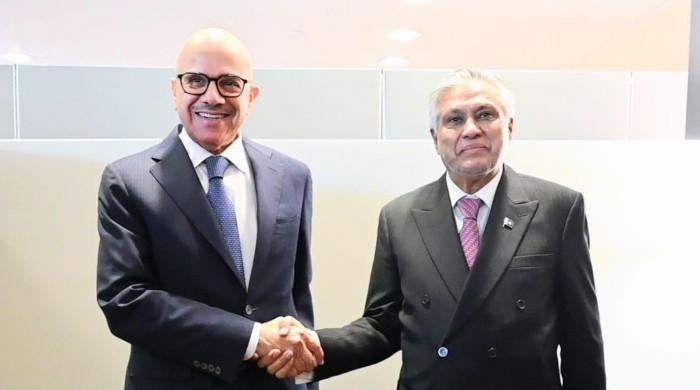
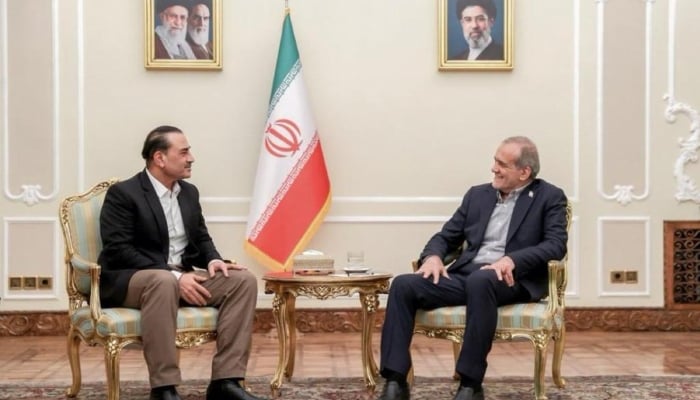
ISLAMABAD: Chief of Army Staff and Chief of Defence Forces Field Marshal Asim Munir has concluded a day-long visit to Iran alongside Interior Minister Mohsin Naqvi, as part of Islamabad’s diplomatic efforts to break the deadlock in the ongoing US-Iran conflict and advance efforts towards lasting peace and regional stability, the military's media wing said.
The visit comes as Washington ramps up pressure on the Islamic Republic with an expanded round of sanctions, which US officials say are designed to cut off Tehran's economic lifeline and puts the world on notice to cease doing business with the country.
According to a statement issued by the Inter-Services Public Relations (ISPR) on Tuesday, the two officials held a series of high-level meetings in Tehran focused on preventing further escalation, reopening the Strait of Hormuz and bringing the conflict to an end.
Field Marshal Munir met Iranian President Masoud Pezeshkian, Supreme Leader's representative on the Supreme National Security Council Mohsen Rezaei, Parliament Speaker Mohammad Bagher Ghalibaf, Foreign Minister Abbas Araghchi and Interior Minister Eskandar Momeni.
The discussions also covered regional peace and possible ways to reach a negotiated settlement to the disputes, the statement said.
The Iranian leadership appreciated Pakistan's "constructive role and sincere efforts" to facilitate dialogue, de-escalation and a peaceful resolution of the conflict, according to the statement.
The visit was part of Pakistan's broader diplomatic efforts to help break the deadlock in the conflict and explore ways to achieve lasting peace and an end to regional instability.
Field Marshal Munir was received on arrival by Interior Minister Momeni and other senior Iranian civil and military officials.
Islamabad has positioned itself as a mediator between Tehran and Washington in efforts to end the conflict that began with US and Israeli strikes on Iran on February 28.
The Shehbaz Sharif-led government brokered a two-week ceasefire between the two sides on April 8, bringing six weeks of fighting to a temporary halt, and has since continued to relay messages between Washington and Tehran.
The recent visit to Iran comes amid heightened tensions, with Tehran threatening a military response to planned US sanctions that could further strain its already troubled economy. Thousands of people have been killed, most of them in Iran and Lebanon, since the US and Israel began their strikes, which have degraded much of Iran's conventional military capabilities, inflicted extensive economic damage and killed Iranian Supreme Leader Ayatollah Ali Khamenei.
Despite the losses, Iran retains significant missile and drone capabilities that could be used against US interests and Gulf states, while also posing a threat to oil tankers travelling through the Strait of Hormuz. The confrontation has brought shipping through the strategic waterway close to a standstill and placed further pressure on global energy prices. The precise state of Iran's nuclear programme, which the US and Israel have sought to dismantle, remains unclear.
The visit comes as the US administration prepares to announce details of its planned sanctions against Iran, which US officials have described as the toughest ever imposed on Tehran. President Trump has also warned of economic consequences for countries providing what he called "any type of lifeline" to Iran, as Washington seeks to intensify pressure on the Islamic Republic.
Oil shipments through the Strait of Hormuz have been severely disrupted, while Tehran has threatened to target unauthorised tankers attempting to transit the waterway. Iran's economy, already under heavy sanctions, faces further pressure as the conflict compounds longstanding problems including high inflation, a weakening currency, energy shortages and structural economic weaknesses.
The war has also damaged infrastructure, disrupted trade and production and increased the cost of reconstruction, adding to the economic burden facing Tehran.
Pakistan's earlier mediation efforts between Washington and Tehran resulted in an interim peace agreement, known as the Islamabad Memorandum, signed in June. The agreement, however, quickly unravelled after fighting resumed between Iran and the US, raising concerns that the conflict could develop into a wider regional confrontation.
— With additional input from Reuters