US starts sending diplomatic staff back to Middle East posts
US embassies across Gulf region were evacuated after joint US-Israeli strikes began on February 28
Published August 26, 2026
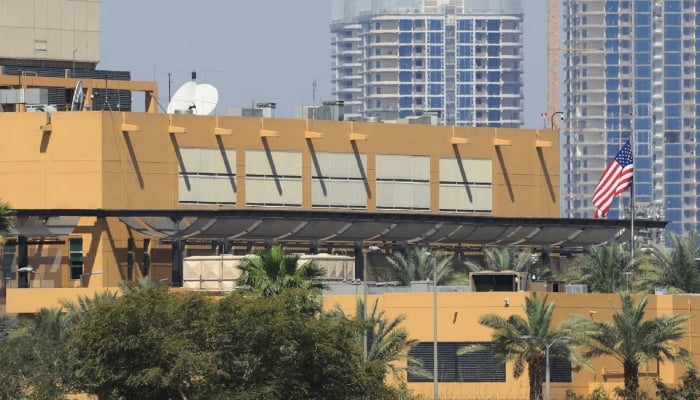
- Posts in Lebanon, Israel, Saudi Arabia and Baghdad are among those to be restaffed.
- Some embassies will initially operate at no more than 85% of authorized staffing.
- Family members will also be allowed to return to Riyadh.
WASHINGTON: President Donald Trump's administration is starting to send personnel back to some diplomatic missions in the Middle East that were evacuated or downsized amid tensions with Iran, two people familiar with the matter told Reuters.
The posts in Lebanon, Israel, Saudi Arabia and Baghdad, Iraq, are among those where staff will return, the sources said. Family members will also be allowed to return to the US post in Riyadh, they added.
The move suggests Washington sees a lower risk of the conflict with Iran escalating in the near term, though some embassies will initially operate below full capacity.
Some embassies will initially operate at no more than 85% of authorised personnel levels, the sources said.
The return of some staff is expected to start as early as this week, one of the sources said.
The United States pulled out staff from embassies across the Middle East after joint US-Israeli strikes on Iran began on February 28. Some embassies in Gulf Arab countries such as Saudi Arabia and Kuwait came under fire from Iran, forcing the latter to temporarily close.
Since then, heavy fighting has subsided even though a US naval blockade of Iranian ports persists and the Strait of Hormuz, a key waterway for oil and commodities shipping, remains shut with diplomatic efforts to end the war stalled.
A US State Department spokesperson told Reuters in an emailed statement that the department continuously reviews the security posture of its diplomatic missions worldwide.
"Based on our latest assessment, we are adjusting our staffing posture at certain posts in the Middle East to ensure we can continue advancing US foreign policy objectives while protecting the safety and security of our personnel," the spokesperson said.
The New York Times earlier reported the return of diplomats and the easing of emergency measures and said embassies in Jordan, Oman, Kuwait and Qatar were also expected to restore higher personnel levels, citing an internal document.
US embassies in Israel, Jordan and Oman would ultimately return to full staffing, while missions in the United Arab Emirates, Saudi Arabia, Qatar and Lebanon would initially be capped at 85% staffing. Posts in Iraq, Kuwait and Bahrain would be limited to 75%, the newspaper added.