Power division lowers August FCA, saving consumers from Rs10.6bn, says minister
Domestic energy generation reached 72% amid expensive global fuel market conditions
Published September 15, 2026
- Nighttime load management “supported” lower electricity costs.
- Domestic gas prevented additional power load shedding: minister
- Says costly RLNG imports avoided through coordination.
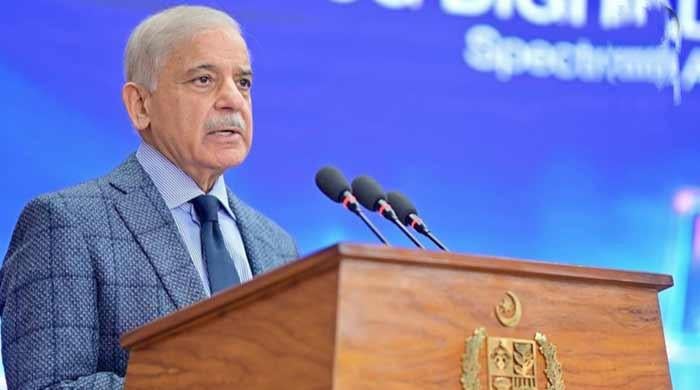
Federal Minister for Power Awais Leghari said on Tuesday said that timely actions and decisions by the power division reduced the Fuel Cost Adjustment (FCA) for August 2026 to Rs1.73 per unit from Rs2.08 per unit in the previous month, preventing an estimated additional burden of Rs10.6 billion on electricity consumers.
In a statement, the minister said the timely decisions not only lowered the per-unit FCA but also helped save valuable foreign exchange by avoiding costly fuel imports.
Minister Leghari credited the reduction to the public's cooperation with the government, saying consumers endured a few hours of nighttime load management that contributed to lowering electricity costs.
"I sincerely thank the people for supporting the government in reducing electricity prices, particularly at a time when fuel prices are rising globally and international fuel markets are facing severe pressure due to the situation in the Strait of Hormuz,” he said.
The minister described the outcome as a result of the government's public-friendly policies, saying the timely measures delivered direct benefits to consumers.
He added that without these interventions, the FCA would have risen by more than Rs10.6 billion compared with the previous month, increasing the financial burden on electricity users.
He said maximum utilisation of domestic energy resources played a key role in achieving the reduction.
According to the minister, 72% of total electricity generation in August 2026 came from domestic sources, including hydel (38%), local coal (11%), nuclear (10%), local gas (7%), wind (6%) and solar energy (1%). The remaining 28% of electricity generation was produced using imported coal and re-gasified liquefied natural gas (RLNG).
Leghari said disruptions in RLNG supplies pushed spot cargo prices to between $23 and $25 per MMBtu, making imports exceptionally expensive.
He said that under the prime minister's directives, the Power Division worked closely with the Petroleum Division and the National Crisis Management Cell (NCMC) to secure additional domestic gas supplies for the power sector, enabling it to avoid purchasing costly RLNG.
He said the availability of additional domestic gas also prevented an extra hour of load shedding. Had domestic gas not been secured, electricity generation through furnace oil or imported RLNG would have increased consumer tariffs by about Rs10.6 billion, he added.
The minister said coordinated efforts and effective fuel portfolio management ultimately resulted in a lower FCA for August 2026, reiterating that the government remained committed to providing maximum possible relief to the public through its consumer-friendly policies.