Pakistan may review military help to Yemen if requested, says ISPR chief amid Houthi attacks on Saudi Arabia
ISPR Chief Lt Gen Chaudhry warns Makkah pact's collective deterrence could come into play if talks fail in Middle East
Published October 19, 2026
- MJDA represents three nations' combined thinking: ISPR chief.
- Lt Gen Chaudhry terms Saudi sovereignty foremost priority.
- ISPR chief says escalating tensions would benefit no country.
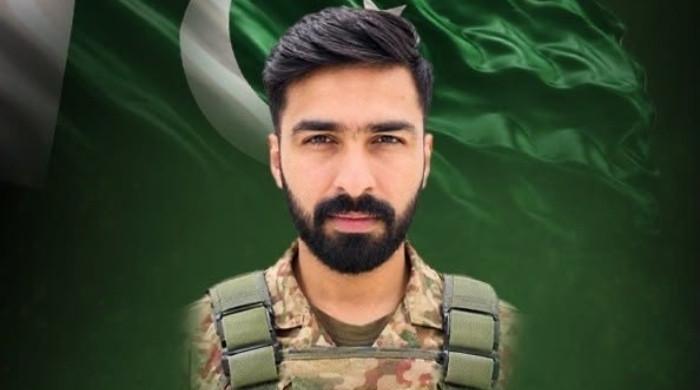
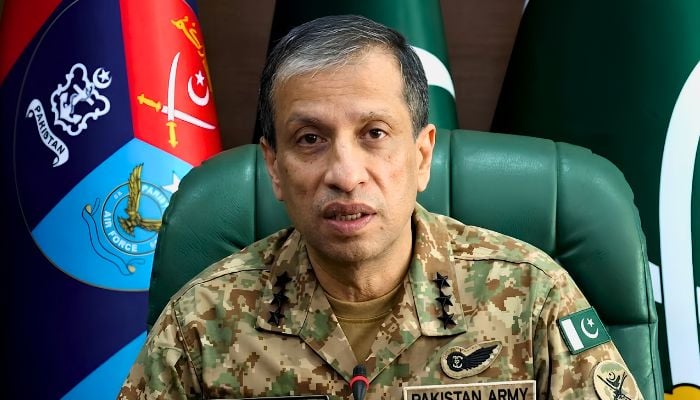
Inter-Services Public Relations (ISPR) Director General Lt Gen Ahmed Sharif Chaudhry has said Pakistan may “evaluate” any request for direct military support from Yemen’s internationally recognised government, as Houthi attacks on Saudi Arabia continue.
"I think not in my knowledge that there has been any formal request. If there is any request, then that is for the government of Pakistan to evaluate that and respond to that," he said in an interview with Independent Arabia on Sunday, when asked whether Yemen's government had sought support from Pakistan.
The ISPR chief warned that the Makkah Joint Defence Agreement's (MJDA) collective deterrence could come into play if negotiations fail and military confrontation follows in the Middle East.
"If we are unable to come to a negotiated outcome and we turn into a military conflict, then this instrument of collective deterrence of the Makkah alliance will definitely come into play, as it is coming into play," Lt Gen Chaudhry said.
The MJDA between Pakistan, Saudi Arabia and Turkiye advanced significantly in a short period, he said, adding that the pact represented the combined thinking of the three countries.
The regional powers signed the MJDA on August 7 during the Makkah Al-Mukarramah Summit for Joint Defence. Under the pact, an armed attack against any one of the three countries would be regarded as an attack against all three.
Lt Gen Chaudhry said that Saudi Arabia's sovereignty and territorial integrity remained a foremost priority for Pakistan, adding that the protection of Islam's two holiest sites was equally important.
Reiterating that Pakistan's position was clear and unequivocal, he said that Islamabad's message had already been conveyed through the country's political and military leadership.
The military spokesperson's remarks come as fighting between the Saudi-led coalition and the Houthis, who control the capital Sanaa and much of the north, has escalated in recent weeks, becoming another front in the US-Israeli war on Iran.
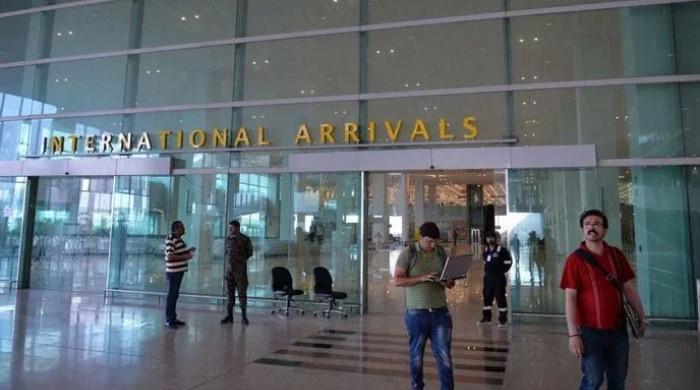
The Houthis have in recent days attacked Riyadh's international airport, Makkah and Madina amid renewed fighting in the region.
The group's advances also threaten the strategic Bab el-Mandeb oil shipping route, following the collapse of a truce.
According to Lt Gen Chaudhry, the Houthi attacks on Islam's holiest sites had caused deep grief and anger among the public and the political and military leadership.
On the regional security situation, Lt Gen Chaudhry warned that escalating military tensions would benefit no country, saying that expanding the military conflict in the Middle East was not in anyone's interest and stressed the need to reach a negotiated settlement.
He said the MJDA's leadership and course of action were clear, emphasising that it had no aggressive intentions and was not directed against any particular country.
Lt Gen Chaudhry also called for unity among Muslims, saying countries in the region needed to work towards resolving their differences rather than fighting one another.
He reiterated that the Makkah alliance aimed to promote peace, stability and security across the region, adding that disputes should be resolved through negotiations rather than military escalation.
— With additional input from Reuters.