PPP may eventually back referendum on new provinces: key official
A senior govt official suggests PPP’s opposition may not lead to a prolonged political confrontation over the issue
Published November 24, 2026
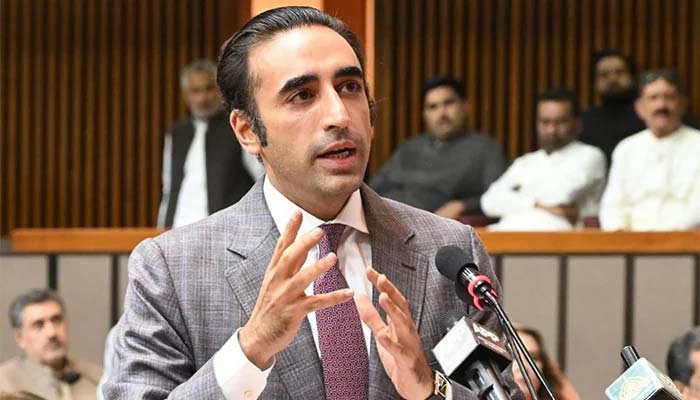
- PPP may eventually back referendum on new provinces, says official.
- PPP opposition may not become sustained confrontation: official.
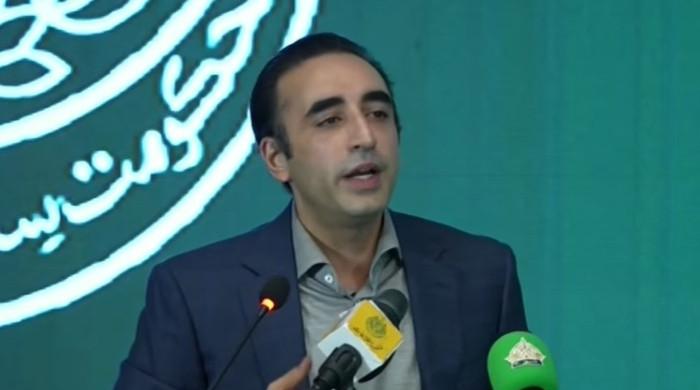
- Bilawal Bhutto has publicly opposed the proposal on new provinces.
ISLAMABAD: Despite its publicly stated opposition to the proposed referendum on the creation of additional provinces, the Pakistan People’s Party (PPP) may eventually agree to participate in the process, with influential government circles expressing confidence that the party could ultimately support both the referendum and the broader proposal for administrative restructuring.
A senior government official, speaking on condition of anonymity, indicated that the PPP’s current opposition, including the position articulated by its chairman Bilawal Bhutto Zardari, may not necessarily translate into a sustained political confrontation over the issue.
According to the official, the expectation is that the PPP will eventually come around to the idea of a referendum and subsequently agree to the proposed expansion in the number of provinces.
The authorities’ apparent calculation rests partly on the expectation that a referendum could produce a public mandate in favour of creating more provinces. While political parties may have reservations about the proposal, particularly given its potential political and electoral implications, there is an expectation in government circles that ordinary voters could be more receptive to the idea.
The distinction between the positions of political parties and public opinion is likely to become a central factor in the emerging debate. Supporters of administrative restructuring argue that smaller provinces could improve governance, bring government closer to citizens, facilitate service delivery and address longstanding regional grievances.
For the PPP, however, the question carries particular political sensitivity because of Sindh’s political and constitutional significance to the party. Bilawal Bhutto has already made his opposition to the proposal clear, reflecting concerns over the political implications of dividing existing provinces.
However, the authorities’ assessment suggests that the party could eventually find it difficult to maintain its opposition if a referendum produces a clear popular endorsement of the idea. The proposed restructuring, which has also figured in discussions surrounding a possible 28th Constitutional Amendment, envisages the creation of 12 or more provinces across the country.
The proposal, however, faces significant political, constitutional and financial challenges, including questions relating to provincial boundaries, constitutional amendments and the distribution of financial resources under the National Finance Commission Award.
Presently, PPP’s public opposition remains an important political obstacle. But the expectation conveyed by the senior official points to a possible political realignment in which the party could eventually agree to a referendum and, depending on its outcome, support the broader initiative.
Originally published in The News