Russia's Putin seeks to boost energy, defence exports with India visit
New Delhi likely to discuss buying more units of S-400 air defence system
Published December 02, 2025
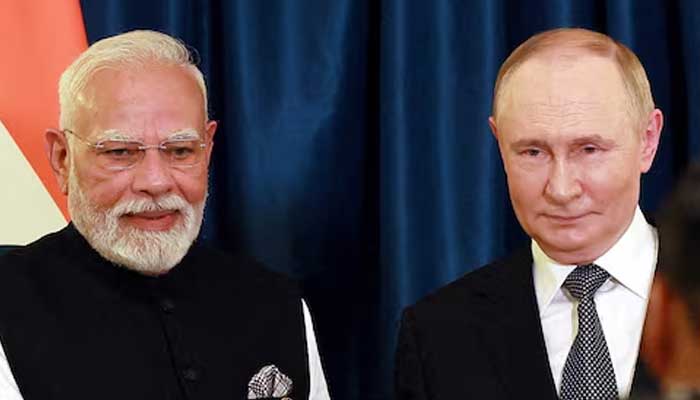
- President Putin visiting India after four years.
- India-Russia to expand partnership in nuclear energy.
- Moscow likely to seek help to get spares for its oil assets.
NEW DELHI: Russian President Vladimir Putin starts a two-day visit to India from Thursday, pitching for more sales of Russian oil, missile systems and fighter jets in a bid to restore energy and defence ties hit by US pressure on the South Asian nation.
Russia has supplied arms to India for decades, with New Delhi emerging as its top buyer of seaborne oil despite Western sanctions after Moscow launched its invasion of Ukraine in February 2022.
But India's crude imports are set to hit a three-year low this month, after the tightening of sanctions on Russia that coincide with its growing purchases of US oil and gas.
On his first visit in four years to the Indian capital for a summit with Prime Minister Narendra Modi, Putin will be accompanied by his defence minister, Andrei Belousov, and a wide-ranging delegation from business and industry.
"Putin's visit offers an opportunity for Delhi to reassert the strength of its special relationship with Moscow, despite recent developments, and make headway in new arms deals," said Michael Kugelman of the Atlantic Council think tank.
"India-Russia summits are never solely optics-driven affairs, given the substance of the relationship," added Kugelman, a senior South Asia fellow at the Washington-based body.
New initiatives were likely to be announced, he added, even if they mostly related to low-hanging fruit in ties, he said.
Possible US reaction
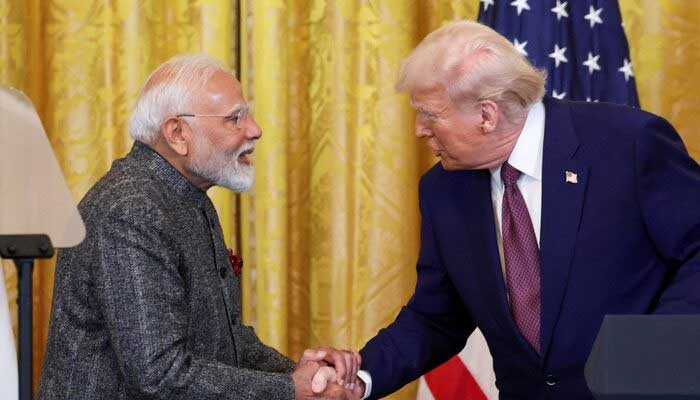
But Indian officials worry that any fresh energy and defence deals with Russia could trigger a reaction from US President Donald Trump, who doubled tariffs to 50% in August on Indian goods, as punishment for New Delhi's purchases of Russian crude.
Ahead of Putin's visit, officials of both sides held talks in areas from defence to shipping and agriculture. In August, they agreed to launch talks for a free trade deal between India and the Russian-led Eurasian Economic Union.
They are also in talks to expand their partnership in civilian nuclear energy, Indian analysts have said.
Putin's delegation includes the chief executives of dominant Russian lender Sberbank and state arms exporter Rosoboronexport, as well as the heads of sanctioned oil firms Rosneft and GazpromNeft an industry source with direct knowledge of the matter said.
In the talks, Moscow is likely to seek India's help to get spares and technical equipment for its oil assets, as sanctions have choked access to key suppliers, said the industry source and a separate Indian government source.
The spoke on condition of anonymity as the matter is a sensitive one.
India is likely to pitch for the restoration of a stake of 20% for state gas explorer ONGC Videsh Ltd in the Sakhalin-1 project in Russia's far east, the government source added.
India a US trade deal by year end, as most of its refiners have stopped buying Russian oil, though widening discounts are now drawing in some state refiners.
Indian Oil Corp has placed orders from non-sanctioned Russian entities for December and January loading while Bharat Petroleum Corp is in advanced stages of placing an order, sources at the two companies said.
The sources sought anonymity as they were not authorised to speak to media.
Reliance in defence sector
Unlike crude, India does not plan to freeze defence ties with Moscow anytime soon as it requires continued support for the many Russian systems it operates, Defence Secretary Rajesh Kumar Singh said last week.
Russian Sukhoi-30 jets make up the majority of India's 29 fighter squadrons and Moscow has also offered its most advanced fighter, the Su-57, which is likely to figure in this week's talks, said two Indian officials familiar with the matter.
India has not yet made a decision on buying the jet, said the officials, who spoke on condition of anonymity.
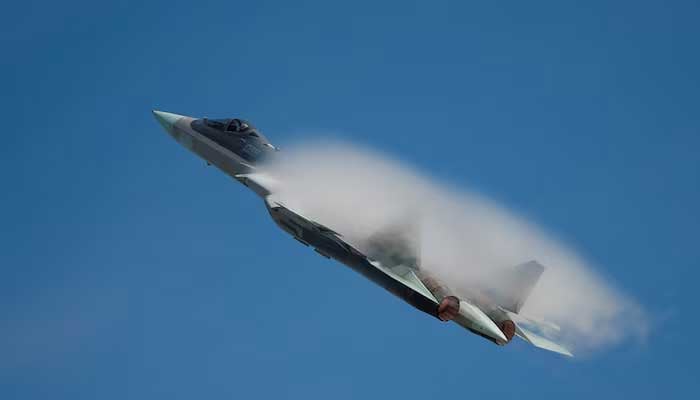
But India is likely to discuss buying more units of the S-400 air defence system, Singh said last week. It now has three units, with delivery of two more pending under a 2018 deal.
Recent US-Russia talks to ending the Ukraine war, could help make it easier for Indian officials to engage with Moscow, said Harsh Pant, head of foreign policy studies at India's Observer Research Foundation think tank.
But ties continue to appear strained, he said.
"A large part of the trading relationship was based on energy, which is now losing traction under the threat of sanctions from the United States," he added.
"And at the end of the day, only defence remains, which continues to bind the two together."