Bilal Bin Saqib says Pakistan to launch its 'own stablecoin'
Country experimenting with both stablecoin and Central Bank Digital Currency, says PVARA chairman
Published December 05, 2025
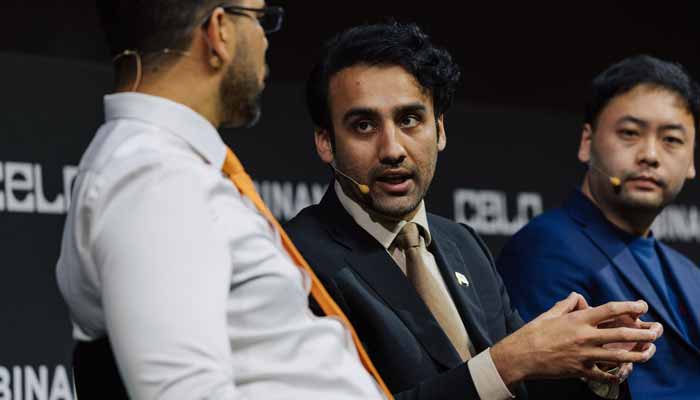
- Stablecoin could be used to collateralise government debt: Bilal.
- Pakistan seeks to be at forefront of digital innovation: crypto czar.
- "Why should we be at tail end when we have muscle and adoption?"
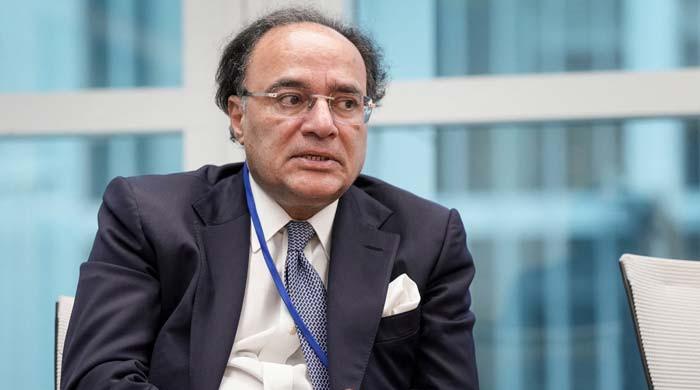
Pakistan is set to launch its own stablecoin as part of efforts to embrace digital financial innovation, Bilal Bin Saqib, Chairman of the Pakistan Virtual Assets Regulatory Authority (PVARA), announced on Thursday.
According to CoinDesk, a digital media outlet focusing on cryptocurrency, blockchain, and the digital asset economy, a stablecoin is a type of cryptocurrency whose value is pegged to another asset class, such as a fiat currency or gold, to stabilise its price.
Speaking at Binance Blockchain Week in Dubai, he said that the country is experimenting with both a stablecoin and a Central Bank Digital Currency (CBDC), but stressed that the stablecoin initiative will definitely move forward.
The crypto czar highlighted that the stablecoin could serve as a tool to collateralise government debt, adding that Pakistan aims to be at the forefront of global digital financial developments.
"Why should we be at the tail end of it when we have the muscle and the adoption?" he remarked, underlining the country’s ambition to lead rather than follow in this emerging financial sector.
Separately, the Pakistan Crypto Council said that Saqib spoke on a high-level panel discussing the future of virtual assets and emerging-market regulation.
"He emphasised that for countries like Pakistan, clear and innovation-friendly crypto regulation is a key driver of economic growth. Pakistan’s work on stablecoins, data frameworks, and banking the unbanked can become valuable case studies for the world," the council wrote on X.
Pakistan's crypto market is estimated to have more than 40 million users with an annual trading volume exceeding $300 billion, making it among the most active frontier markets for digital assets.
Earlier in May, Bilal unveiled the country’s first government-led Strategic Bitcoin Reserve, marking a historic pivot in the nation’s digital and financial outlook.
Addressing a global audience that included US Vice President JD Vance, Eric Trump, and Donald Trump Jr in Las Vegas, he positioned Pakistan as a forward-looking digital hub, powered by its tech-savvy youth and strengthened by a shift toward decentralised finance.
Bilal revealed that the reserve would not be used for speculation or trading but would serve as a sovereign holding — signalling long-term commitment to blockchain-based finance. The national Bitcoin wallet already holds assets under state custody.