TikTok charged for breaching EU rules with app's addictive features
TikTok accused of disregarding important indicators of compulsive use of the app
Published February 06, 2026
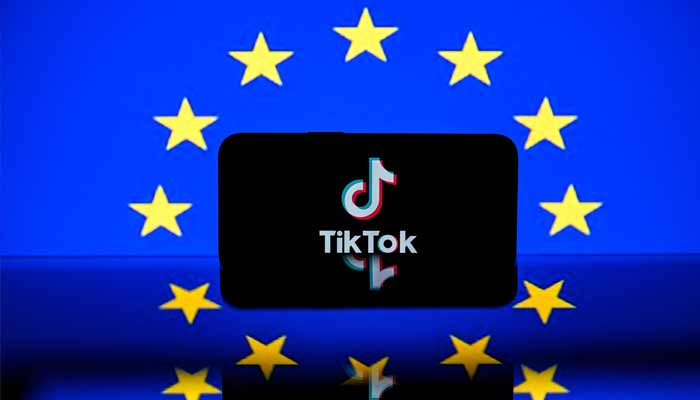
TikTok was charged on Friday with breaching EU online content rules over what the bloc's regulator said were its addictive features and was told to change the design of its app or risk a fine of as much as 6% of owner ByteDance's global turnover.
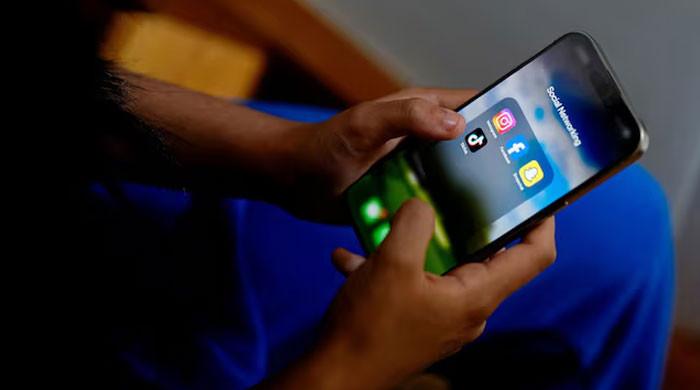
The EU watchdog's charges focus on TikTok's addictive design which includes features such as infinite scroll, autoplay, push notifications, and its highly personalised recommender system.
TikTok, whose algorithm is driven by the understanding of a user's interest and has been key to the social media app's global success, criticised the European Commission charges.
The regulatory move underscores the European Union's crackdown on Big Tech which has drawn criticism from the US government over censorship and led to threats of tariffs.
The Commission set out its charges after a year-long investigation under the Digital Services Act (DSA) which requires large online platforms to do more to tackle illegal and harmful content.
"The Commission's preliminary findings present a categorically false and entirely meritless depiction of our platform, and we will take whatever steps are necessary to challenge these findings," a TikTok spokesperson said.
The Commission, which acts as the EU tech enforcer, cited the platform's generation of new content to constantly reward users which fuels the urge to keep scrolling and shift users' brains into autopilot mode as an example of an addictive feature.
The EU regulator said TikTok did not adequately assess how these features could harm the physical and mental wellbeing of its users, including children and vulnerable adults.
It accused TikTok of disregarding important indicators of compulsive use of the app, such as the time that minors spend on it at night and the frequency with which users open the app.
The EU watchdog said TikTok seems to fail to implement reasonable, proportionate and effective measures such as screen time management tools and parental control tools to mitigate risks and it needs to change the basic design.
Changes addictive features
"So now we are expecting after that [...] TikTok has to take actions and they have to change the design of their service in Europe to protect our minors," EU tech chief Henna Virkkunen told reporters.
The Commission suggested TikTok disable its 'infinite scroll' over time, implement effective screen time breaks, including during the night and adapt its recommender system.
Virkkunen said investigations into other online platforms were advancing well and that decisions are expected in the next weeks and months, without naming any company.
Meta Platforms', Facebook and Instagram were charged with DSA breaches in October last year over their so-called dark patterns or deceptive interface designs among others.
EU regulators also asked Snapchat, YouTube, Apple and Google for information on their age verification systems and how they prevent minors from accessing illegal products and harmful material.
The step comes as some European countries, including France and Spain, as well as India consider banning social media access for teenagers in a sign of hardening attitudes towards the technology that some say is designed to be addictive.
In December, Australia became the world's first country to block children under 16 from platforms including TikTok, Alphabet's YouTube and Meta's Instagram and Facebook.
Virkkunen reiterated that it is up to individual countries to set age limits, rather than centrally from Brussels.
"But of course when we look at digital markets, it would be good to have a common approach here," she said, noting the differences between member states on how services are used.
EU lawmaker Alexandra Geese praised the EU move on TikTok.
"Many social media platforms ruthlessly exploit these (addictive) mechanisms to boost advertising revenue at the expense of the health of children and teenagers. This must come to an end," she said in a statement.
TikTok can ask to see the Commission's documents and provide a written response before the watchdog issues a decision.
Last month, the social media app settled a social media addiction lawsuit ahead of a trial against Meta and YouTube.
TikTok last year settled charges of infringing a DSA requirement to publish an advertisement repository allowing researchers and users to detect scam advertisements.