SpaceX prioritises lunar 'self-growing city' over Mars project, says Musk
"Overriding priority is securing the future of civilisation and the Moon is faster," says SpaceX CEO
Published February 09, 2026
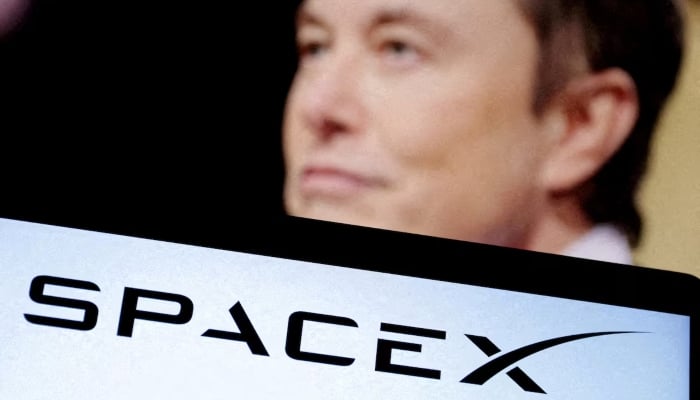
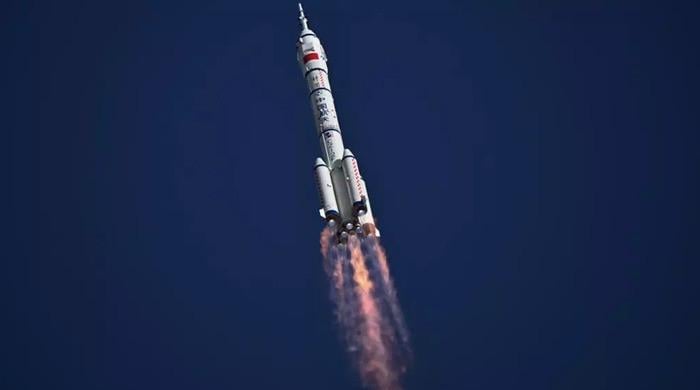
Elon Musk said on Sunday that SpaceX has shifted its focus to building a "self‑growing city" on the moon, which could be achieved in less than 10 years.
SpaceX still intends to start on Musk's long-held ambition of a city on Mars within five to seven years, he wrote on his X social media platform, "but the overriding priority is securing the future of civilisation and the Moon is faster."
Musk's comments echo a Wall Street Journal report on Friday, stating that SpaceX has told investors it would prioritise going to the moon and attempt a trip to Mars at a later time, targeting March 2027 for an uncrewed lunar landing.
As recently as last year, Musk said that he aimed to send an uncrewed mission to Mars by the end of 2026.
The US faces intense competition from China in the race to return humans to the moon this decade. Humans have not visited the lunar surface since the Apollo 17 mission in 1972.
Less than a week ago, Musk announced that SpaceX acquired the artificial intelligence company he also leads, xAI, in a deal that values the rocket and satellite company at $1 trillion and the artificial intelligence outfit at $250 billion.
Proponents of the move view it as a way for SpaceX to bolster its plans for space-based data centres, which Musk sees as more energy efficient than terrestrial facilities, as the demand for computing power soars with AI development.
SpaceX is hoping a public offering later this year could raise as much as $50 billion, which could make it the largest public offering in history.
Earlier on Sunday, Musk shared the company's first Super Bowl ad, promoting its Starlink Wi-Fi service.
Even as Musk reorients SpaceX, he is also pushing his publicly traded company, Tesla, in a new direction.
After virtually building the global electric vehicles market, Tesla is now planning to spend $20 billion this year as part of an effort to pivot to autonomous driving and robots.
To speed up the shift, Musk said last month Tesla is ending production of two car models at its California factory to make room for manufacturing its Optimus humanoid robots.