How many Pakistanis perform informal work?
Latest labour force survey reveals women continue to earn less on average and are concentrated in lower-paid or public-sector-linked roles
Published February 19, 2026
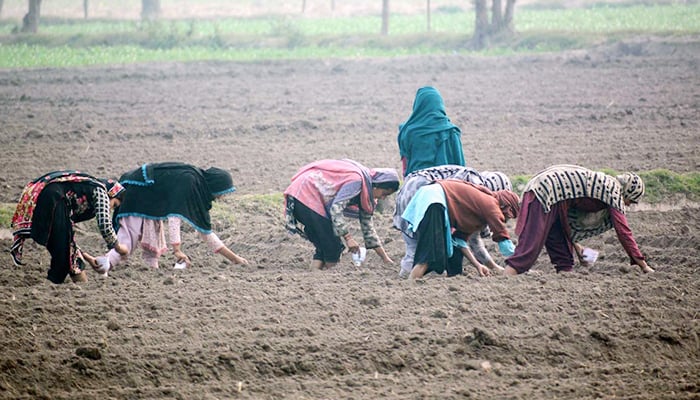
ISLAMABAD: As many as 80.8% of Pakistan’s employed population remains in informal work, leaving just 19.2% in formal jobs despite a sharp rise in nominal wages over the past four years, the latest Labour Force Survey 2024-25 released by the Pakistan Bureau of Statistics revealed, according to The News.
The report, issued on Wednesday, finds that average monthly wages for paid employees increased by 62%, from Rs24,028 in 2020-21 to Rs39,042 in 2024-25, with male wages rising from Rs24,643 to Rs39,302 and female wages from Rs20,117 to Rs37,347.
However, much of this gain coincided with high inflation, limiting real improvements in purchasing power. Under the 21st ICLS framework, informality remains widespread, particularly in rural areas, while even under the narrower 13th ICLS non-agriculture definition, 72.1% of workers are informal, underscoring the limited reach of formal labour protections.
The analysis by Gallup Pakistan highlights a gender paradox: although 33.7% of employed women in non-agricultural sectors are in formal employment compared to 27% of men, women continue to earn less on average and are concentrated in lower-paid or public-sector-linked roles.
Significant sectoral wage disparities persist, with higher earnings clustered in formal industry and services and the lowest wages concentrated in agriculture and low-skilled services, reinforcing inequality and limiting income mobility.
The findings suggest that while nominal wages have risen, employment quality, job security, and access to social protection remain deeply constrained, leaving most workers — particularly women and rural populations — vulnerable within an overwhelmingly informal labour market.