A time for reckoning
Ultimately, ordinary people gain little from whatever measures are devised by the government's financial wizards
Published June 07, 2026
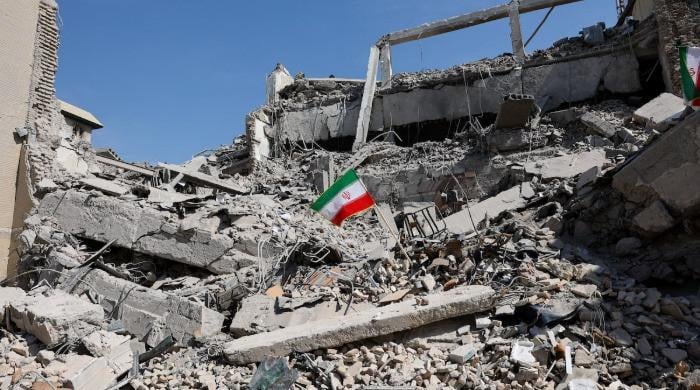
In recent weeks, Pakistan has had a great time on the world's stage. Its diplomatic triumph as the peacemaker in the Iran war was universally applauded. For days, Islamabad was the dateline of the international media. Thankfully, this status remains relevant in the continuing search for a conclusive peace deal.
In May, we were engaged in an extended celebration of the first anniversary of the four-day military confrontation with India. This, too, was an encounter that surprised the world. Pakistan prevailed over a much larger adversary in a heroic validation of our military expertise.
Now, however, the weather is changing. It is changing in the context of how public opinion engages with the affairs of the state. The temperature is rising, not just in a meteorological sense. Our attention is shifting to the realities of people's lives in Pakistan.
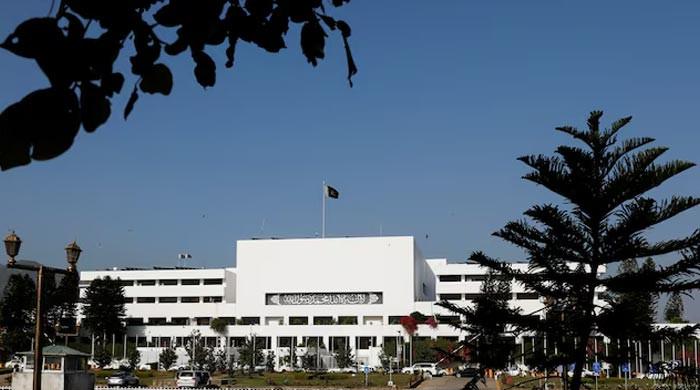
The focus in this perspective is, of course, on the annual budget that is to be presented to the National Assembly on Wednesday, June 10. Earlier, the date announced was Friday, June 5. Stories are being told about this delay to suggest that, in addition to the usual disputes that attend this exercise every year, some new tensions are lurking in the wings.
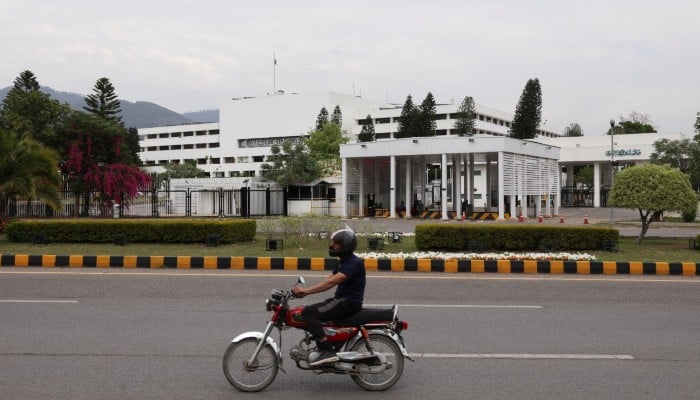
Actually, the budget presents an encore of the same spectacle of political disorder in the supposedly sacred precincts of Parliament. There is a particular drill that is repeated on this occasion. We hear the same arguments every year, even when the governments are different. Ultimately, ordinary people gain little from whatever measures are devised by the government's financial wizards.
But it may be a bit different this year. I am unable to fully comprehend the macroeconomic factors that determine the allocation of resources across sectors. However, I am aware of reports that some major readjustments are being contemplated by the powers that be, readjustments of the kind that may even require a constitutional amendment.
We have observers seeking reasons for the postponement of the budget presentation in the National Assembly. Apparently, some issues with the IMF remain unresolved. According to what I have seen in published reports, these may relate to 'fiscal space for relief and the transfer of some provincial resources to support federal spending'. Or whatever.
There are suggestions that, in addition to tensions with the IMF, differences have also developed between the ruling PML-N and its coalition partner, the PPP, regarding federal development allocations for projects in Sindh. Or whatever.
Though not directly related to the federal budget, we have this crucial event taking place today and it is bound to affect the overall national political situation. This should include relations between PML-N and PPP. Yes, I believe that elections in Gilgit-Baltistan will have a bearing on Pakistan's politics. In fact, the speeches made by Bilawal Bhutto-Zardari indicate a kind of a rift between the PML-N and PPP. At the heart of this tension, apparently, is the possibility of the 18th Amendment being rolled back. Or, whatever.
One wonders whether the elections in Gilgit-Baltistan have also contributed to the delay in presenting the budget. By and large, a budget does not provide the relief that the common citizens expect and deserve and disaffection against the federal government is likely to grow.
Unfortunately, there is a history in Pakistan of elections becoming a source of division and social unrest. They are usually not considered free and fair. Moreover, the political activity that elections naturally generate can accentuate people's longings and grievances. Perennially unresolved issues underline the helplessness of the political parties in their resolve to bring about any meaningful change in the lives of the people. For instance, the people in Gilgit-Baltistan have forever been waiting for a constitutional identity and you don't see it on the horizon.
Incidentally, today's elections in Gilgit-Baltistan have evoked so many memories and so many thoughts in my mind. It is one of the most beautiful places in the world, but the lives of its people are not lovely at all. I have been to that land of many splendours a number of times and twice as a member of fact-finding missions of the Human Rights Commission of Pakistan (HRCP). I have a fair idea of the deprivations of its people from the standpoint of human rights and social justice.
There is this question that baffles the mind. When Pakistan has Gilgit-Baltistan and the northern areas, with some of highest peaks, why is it not a preferred destination of the world's tourists? When tourism alone can make Pakistan rich, why should it struggle to make a living? The truth of our financial status is revealed in our federal and provincial budgets. But these budgets do not provide any clue as to why we are so impoverished as a society.
I said at the outset that the mood in Pakistan is changing at this budget time. There are many reasons to be anxious about the state of the nation. One may not accord much credence to public opinion surveys conducted in Pakistan, though such surveys can serve as the basis for policy decisions in more advanced countries.
Still, for what it's worth, I read a report this week saying that only two in 10 Pakistanis believe the country is on the right track. This was the finding of a survey conducted by Ipsos, a market research company. The survey, conducted last month, included interviews with more than 1,000 people across the country. Among other details, the report said that the most serious issues identified were related to economy, emotional anxiety, unemployment and inflation.
Now, as a concerned citizen, where do you belong in this survey? Or would you want to make your own assessment about how many out of how many believe that Pakistan is not on the right track – and what do you think is the right track?
The writer is a senior journalist. He can be reached at: [email protected]
Disclaimer: The viewpoints expressed in this piece are the writer's own and don't necessarily reflect Geo.tv's editorial policy.
Originally published in The News