Alan Greenspan dead at 100: How ‘Maestro' shaped US economic policy for two decades?
United States experienced a prolonged period of growth and relatively low inflation during much of the 1990s
Published June 22, 2026
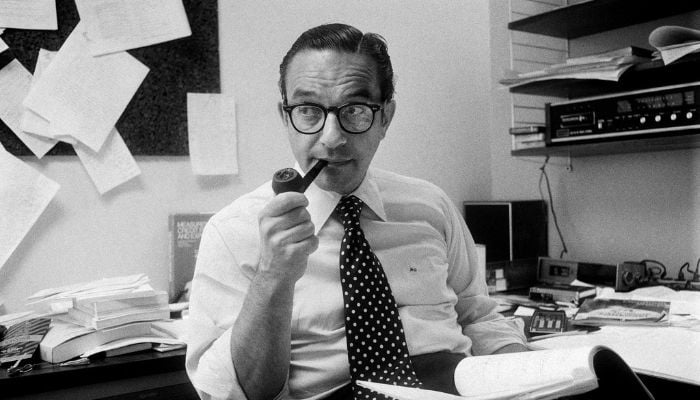
Alan Greenspan, the influential economist who led the U.S. Federal Reserve through nearly two decades of economic booms, market shocks and financial uncertainty, has died at the age of 100.
His wife, journalist Andrea Mitchell, confirmed that Greenspan died from complications related to Parkinson's disease.
The former Fed chairman spent almost 19 years at the helm of America's central bank, making him one of the longest-serving and most powerful economic policymakers in U.S. history.
For millions of Americans, Greenspan was the face of U.S. monetary policy. During his tenure from 1987 to 2006, he worked under four presidents and guided the economy through major events including the 1987 stock market crash, the dot-com boom, the 1990s economic expansion and the aftermath of the September 11 attacks.
At the height of his influence, Greenspan was often referred to as "The Maestro" by investors and policymakers who closely watched his every word for clues about the direction of the economy.
His reputation grew as the United States experienced a prolonged period of growth and relatively low inflation during much of the 1990s.
Yet his legacy remained complicated.
Following the 2008 global financial crisis, critics argued that some of the policies and deregulatory views championed during his years at the Federal Reserve contributed to conditions that allowed the housing bubble to grow.
Greenspan later acknowledged that he had placed too much faith in financial institutions' ability to regulate themselves.
Even after leaving the Federal Reserve in 2006, Greenspan remained a respected voice on economic policy. He continued writing, consulting and commenting on financial issues well into his later years.