Oil heads for weekly gain as Middle East supply risks persist
Brent set for 6% weekly gain, while WTI heads for a 5% increase
Published July 10, 2026
- Strait of Hormuz shipping remains near standstill after fighting.
- Tanker traffic disrupted as shipowners assess security risks.
- Hormuz handled about 20% of global oil, gas supplies pre-war.
Oil prices rose on Friday and were set for weekly gains because of renewed fears of supply disruptions from the key Middle East producing region after renewed fighting between the US and Iran this week curtailed shipping in the Strait of Hormuz.
Brent futures were up 19 cents, or 0.25%, to $76.49 a barrel by 0319 GMT. US West Texas Intermediate (WTI) crude gained 19 cents, or 0.26%, to $72.27.
For the week, Brent was set for a gain of about 6% and WTI was headed for a 5% increase.
"Prices have backed off the mid-week highs, but there is still a substantial risk premium as Hormuz transits are back to a near-standstill with no clear signs on when normal reopening might resume," said Vandana Hari, founder of oil market analysis provider Vanda Insights.
"However, it looks like market confidence in the US and Iran returning to diplomacy to resolve the issue is capping the upside," Hari added.
Iranian armed forces launched attacks on US military infrastructure in Gulf states on Thursday following US strikes on Iran's southern coastal and eastern provinces, further straining a three-week-old ceasefire.
Separately, Iranian media reported multiple explosions across southern Iran, including Bushehr, where one of the country's nuclear plants is located.
The renewed fighting came the day that Iran buried its slain supreme leader, Ayatollah Ali Khamenei, the culmination of a week of mass funeral processions and rallies. Khamenei was killed on the first day of the war on February 28.
The renewed fighting has delayed the full reopening of the Strait of Hormuz, which carried about 20% of daily global oil and gas supplies before the war.
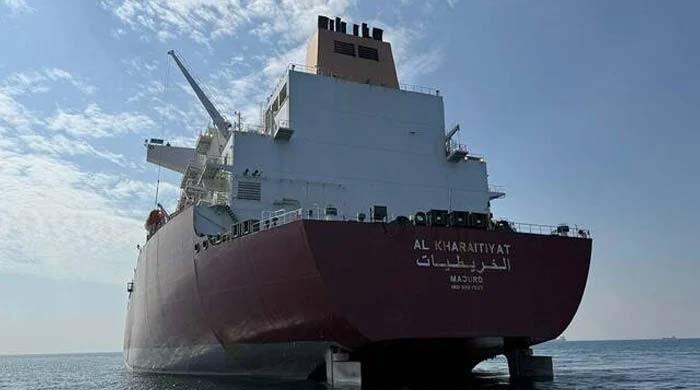
Tanker traffic through the strait on Thursday was at a near standstill, according to ship-tracking data, as vessel owners assessed the risk from the latest strikes, which started after Iran hit a Qatari LNG ship exiting the waterway near Oman.
Still, US President Donald Trump said on Wednesday he did not think the war would restart because of the new fighting and that "anything that happens is going to be over very quickly."
"Despite the US ramping up attacks on military sites in Iran, the market drew some reassurance from the Trump administration’s decision to avoid targeting Iranian energy infrastructure," said Daniel Hynes, senior commodity strategist for ANZ bank.
"This was aided by comments from President Trump, who said he doesn’t expect a return to a full-scale conflict."