Cost of democracy
Real cost of democracy is what Pakistan spends without receiving representation, accountability or results
Published July 19, 2026
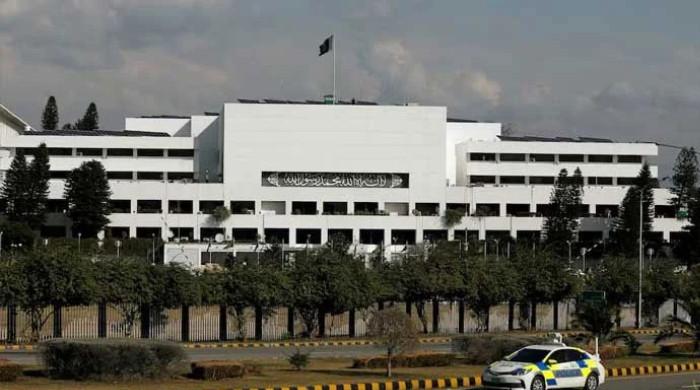
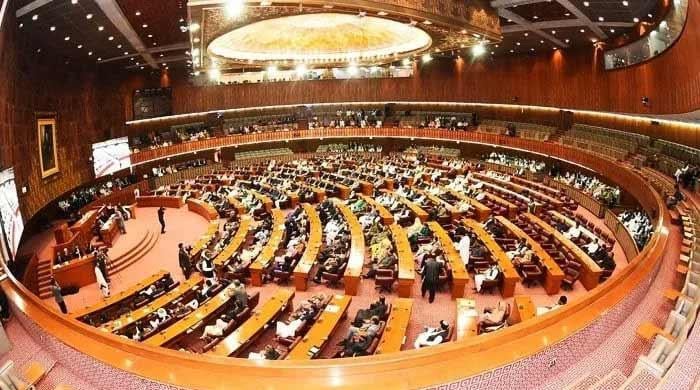
In 2023-24, the Senate of Pakistan received a budgetary allocation of Rs5.057 billion. By 2026-27, the allocation had risen to Rs9.670 billion – an increase of 91.2% across four budgets, equivalent to an annualised growth rate of 24.1%. That works out to an allocation equivalent of roughly Rs10.1 crore per senator.
The National Assembly’s allocation rose even faster. It increased from Rs8.308 billion in 2023-24 to Rs17.005 billion in 2026-27 – an increase of 104.7%, equivalent to an annualised growth rate of approximately 27%. Across four budgets, the National Assembly’s allocation more than doubled.
Then there are the so-called ‘development funds’. In 2023-24, treasury-bench MNAs were allocated an average of Rs52 crore each for ‘development schemes’ of their choice. The figure fell to Rs29 crore the following year, then rose to Rs41 crore in 2025-26 and remained at Rs41 crore in 2026-27. Across four budgets, that amounts to roughly Rs163 crore per MNA.
Founded in 1973, the Senate of Pakistan is now 53 years old. It has 96 members and meets for an average of 60 days a year. Its annual budget is equivalent to roughly Rs16 crore for every sitting held.
In 2023-24, the Presidency received a budgetary allocation of Rs1.41 billion. By 2026-27, the allocation had risen to Rs2.8 billion – an increase of 98.8% in four years. Over the same period, the prime minister’s allocation increased from Rs1.26 billion to Rs1.82 billion – an increase of 44%.
The Election Commission’s routine annual cost is estimated at Rs10-15 billion, while a general election can cost another Rs60-75 billion.
Pakistan’s four provincial assemblies together cost an estimated Rs25-35 billion a year. The four governors and their governor houses cost an estimated Rs6-9 billion annually. The federal cabinet – including ministers, advisers and special assistants – costs an estimated Rs3-5 billion a year. The four provincial cabinets together cost an estimated Rs10-15 billion annually.
Parliamentary support machinery, beyond the Senate and National Assembly budgets, incurs an estimated additional Rs1-3 billion a year. Taken together, these additional political structures cost an estimated Rs70-95 billion in a normal year, and substantially more in an election year. Estimated grand total: Rs721 billion to Rs836 billion across four budgets.
The arithmetic: The grand total does not include security and protocol, official residences, foreign visits, medical facilities, parliamentary delegations, air tickets, daily allowances, Ministers’ enclaves, parliamentary lodges, government houses, vehicles, fuel, utilities, maintenance and renovations.
Yes, democracy must cost money. Yes, elections must be held. Legislatures must function. Representatives must be paid. Institutions cannot operate for free. Strip away the rhetoric: Money spent on democracy must produce democratic value.
Did parliamentary oversight double when the National Assembly’s allocation doubled? Did legislative scrutiny rise by 90% when the Senate’s budget rose by 90%? Did discretionary development funds produce better roads, better schools and better water or merely stronger patronage networks?
The real cost of democracy is not what Pakistan spends on its democratic institutions. The real cost is what Pakistan spends without receiving representation, accountability or results. Democracy is not expensive when it delivers. Democracy becomes expensive when only its structures grow – and its substance shrinks.
The writer is a columnist based in Islamabad. He tweets/posts @saleemfarrukh and can be reached at: [email protected]
Disclaimer: The viewpoints expressed in this piece are the writer's own and don't necessarily reflect Geo.tv's editorial policy.
Originally published in The News