PSX slips as oil surge, Red Sea blockade fears hit sentiment
"Repeated fears about the blockade of the Red Sea and persistent rise in oil prices are keeping the index red," says expert
Published July 23, 2026
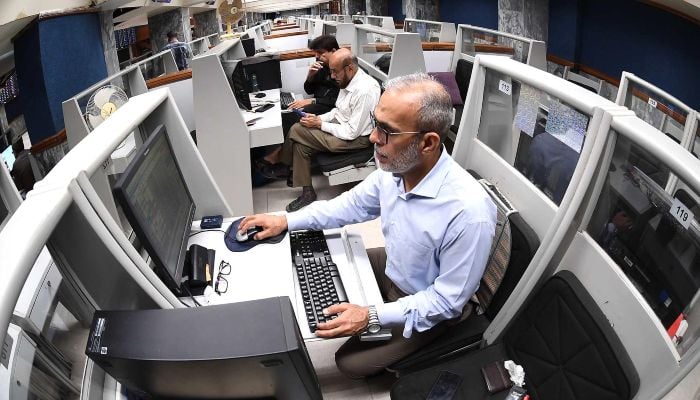
- KSE-100 Index closed at 171,739.44, down 2,690.48 points, or 1.54%.
- Index hit intraday high of 175,237.59, up 807.67 points, or 0.46%.
- Index hit a low of 171,655.09, down 2,774.83 points, or 1.59%.
The bourse came under pressure on Thursday as renewed fears over a Red Sea blockade and a persistent rise in global oil prices dampened investor sentiment.
The Pakistan Stock Exchange's benchmark KSE-100 Index settled at 171,739.44, down 2,690.48 points, or 1.54%.
The index had earlier risen to an intraday high of 175,237.59, up 807.67 points, or 0.46%, from the previous close, before reversing course and falling as much as 2,774.83 points, or 1.59%, touching an intraday low of 171,655.09 during the session.
"Repeated fears about the blockade of the Red Sea and persistent rise in oil prices are keeping the index red, and investors' sentiment dampened," said AAH Soomro, an independent investment and economic analyst.
The pressure came as a spike in oil prices drove Europe’s government borrowing costs to long-term highs on Thursday, with renewed inflation concerns leaving traders bracing for a hawkish European Central Bank meeting later in the day.
Global share markets were also on the back foot after disappointing earnings from heavyweight chipmaker STMicroelectronics sent its shares tumbling 15%, while Google-parent Alphabet’s plan to raise artificial intelligence spending by another $15 billion this year weighed on European sentiment.
The main focus remained on the renewed surge in oil prices and global borrowing costs after a re-escalation of the conflict in the Middle East between the United States and Iran.
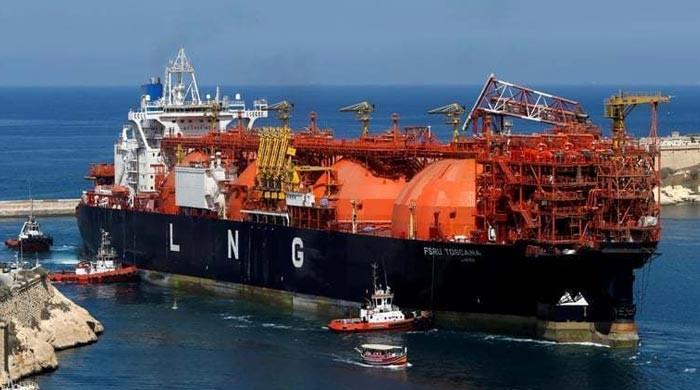
The Iran-aligned Houthis said on Thursday they had struck two Saudi oil tankers as part of a naval blockade on Saudi Arabia, threatening to create a second chokepoint for global oil supplies alongside Iran’s near-closure of the Strait of Hormuz.
Meanwhile, the US military carried out a new round of strikes on Iran at President Donald Trump’s direction, marking a 12th successive night of American attacks and prompting further Iranian retaliation.
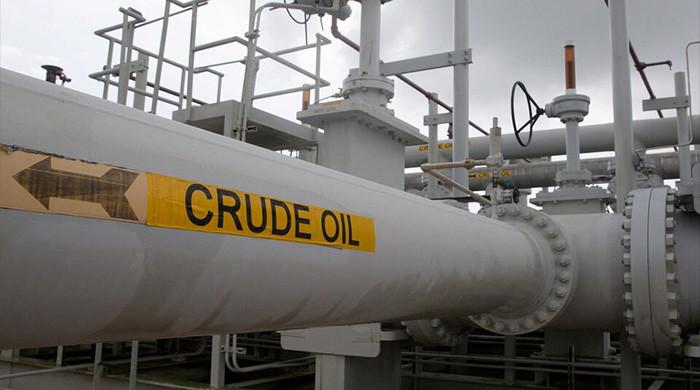
Brent crude jumped 4% to nearly $98 a barrel, putting the psychological $100 threshold within reach and driving Germany’s 10-year bund yield — the benchmark for euro zone borrowing costs — above 3.2% for the first time since the bloc’s debt crisis in 2011.
The oil surge also sharpened focus on the ECB meeting. Markets see just a one-in-five chance of another interest rate hike at the meeting, but a four-in-five chance of a hike in September.
In contrast to Europe’s struggles, major Asian markets rose as investors bet that South Korea’s KOSPI and other regional markets would continue to benefit from the AI boom.
Earnings from Alphabet and Tesla on Wall Street on Wednesday showed no sign of a slowdown in spending on AI infrastructure, with Alphabet sharply raising its capital expenditure plans for the year.
The KOSPI surged more than 4% overnight in Seoul, led by gains of 4.8% and 3.7% for SK Hynix and Samsung Electronics, respectively. Tokyo’s Nikkei and Hong Kong’s Hang Seng also edged higher.
The PSX had closed sharply lower on Wednesday, with the KSE-100 Index falling 1,703.64 points, or 0.97%, to settle at 174,429.93.