How ancient hallucinogen mescaline shuts down brain? First ever map reveals answers
Brain mapping of ancient hallucinogen mescaline reveals how it alters sensory filtering
Published July 27, 2026
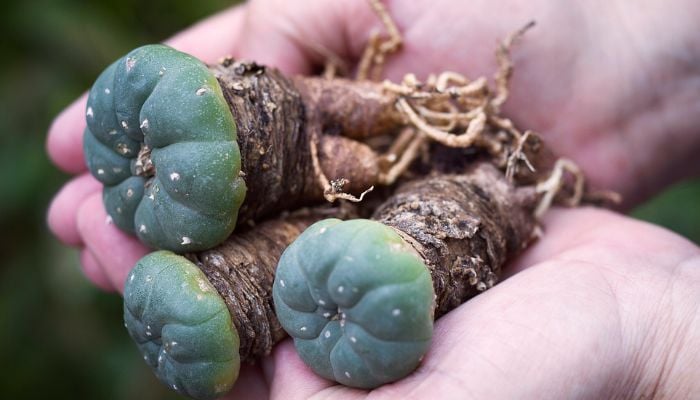
Researchers have finally mapped how mescaline, one of the oldest hallucinogens known to humanity, alters brain activity.
The landmark study reveals a unique mechanism of the hallucinogen that sets it apart from other psychedelic drugs.
According to the research, mescaline produces a “paradoxical” effect on the cerebellum (part of the brain that is responsible for motor control and sensory filtering).
While this hallucinogen affects brain activity within the cerebellum itself, it simultaneously strengthened communication between this region and coordination with other brain parts, including the hippocampus, thalamus, and somatosencory cortex.
By conducting fMRI scans on awake rats, researchers found that mescaline disrupts the brain’s ability to filter sensory information, the process known as “gating.”
This failure of filtering causes vivid hallucinations and altered perceptions experienced by users.
Behavioural experiments indicated that rodents injected with mescaline had no reaction to an otherwise pleasant smell of almonds. Moreover, it appeared difficult for the test subjects to eliminate repetitive noise stimulation at moderate frequency levels; however, low- and high-frequency filtering was still possible, which indicates that mescaline is a "selective filter".
Mescaline is naturally found in peyote cacti, which have been used in spiritual ceremonies for approx 5,700 years, making it one of the oldest hallucinogens.
In contrast to LSD and psilocybin, that shows similar results, this ancient hallucinogen works through a distinct neural pathway.
The findings are helpful for psychiatric conditions such as schizophrenia, where patients show similar hyperconnectivity patterns and difficulty filtering sensory stimuli.