Britain's ‘Robocops' are catching a suspect every 90 minutes: Here's how
Just last year alone cameras checked around 9.25 million faces against watchlists and led to 1,317 arrests
Published July 27, 2026
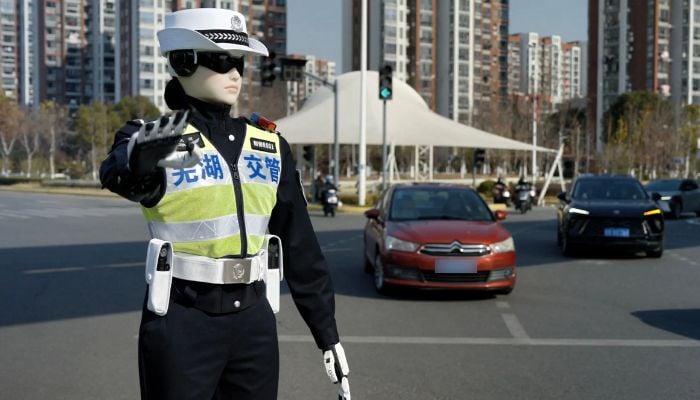
Artificial Intelligence (AI) , just like all other aspects of human life, is proving to be handy in law enforcement as well, making the police officials work a bit easier than usual.
According to a recent report, Britain’s crime-fighting AI has already started producing significant results.
Facial recognition cameras deployed by UK police forces now catch a suspect every 90 minutes, new figures have shown. This comes as the technology moves from occasional trials to a routine policing tool.
Across 369 separate operations run by 14 of England and Wales's 45 territorial forces last year, cameras checked around 9.25 million faces against watchlists and led to 1,317 arrests.
About 450 of those detained were suspected of violent offences. The Metropolitan Police carried out the bulk of the work, running 231 deployments, scanning 4.2 million faces, and making 1,133 arrests on its own.
The scale of adoption has grown fast: deployments rose from just 63 in 2023 to 246 in 2024, then to 369 last year. On average, the systems processed 78 faces every minute and flagged a person of interest roughly every 40 minutes.
The technology has already caught suspects who evaded justice for years. Dejean South, 25, dodged capture for over a year after a break-in in January 2024 — until facial recognition cameras identified him in Woolwich in March last year. He was later handed a suspended 22-month sentence at the Old Bailey for aggravated burglary and bail breaches.
Cameras are increasingly fixtures at major public events too, from Premier League matches and concerts to air shows and international rugby fixtures.
The government is now scaling up further. In January, ministers unveiled plans to expand the programme nationwide, quintupling the surveillance van fleet from 10 to 50, in a bid to enhance security and safety of UK residents.