‘World is in danger zone': El Nino likely to strengthen further, persist into 2027, says WMO
Near 100% likelihood that El Nino will persist through 2027, fuelled by exceptionally warm Pacific Ocean temperatures, says UN weather agency
Published September 03, 2026
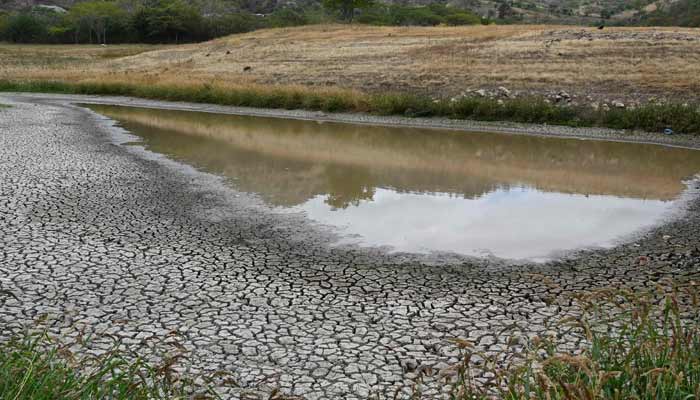
The El Nino weather phenomenon is set to strengthen further into 2027, raising risks of extreme weather into next year, the World Meteorological Organisation (WMO) said on Thursday.
The UN weather agency said its forecasts showed a near 100% likelihood that El Nino will persist through February 2027, fuelled by exceptionally warm Pacific Ocean temperatures.
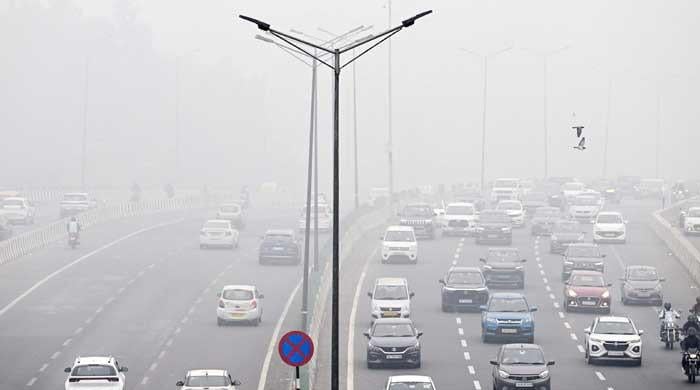
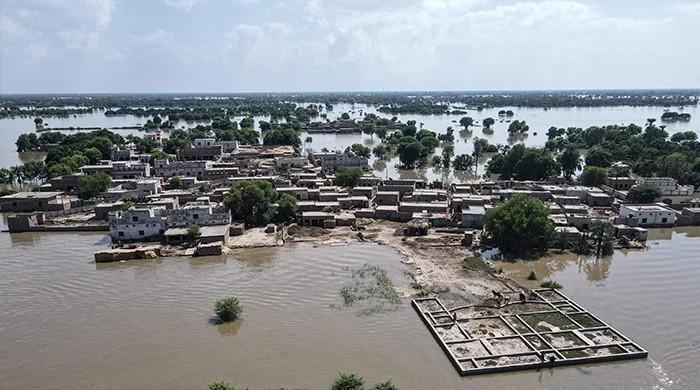
A very strong El Nino can significantly shift rainfall and temperature patterns worldwide, and fuel extreme weather, like typhoons.
"El Nino is being supersised before our eyes. The science leaves no room for doubt: The planet is in uncharted waters, and those waters are heating up," said United Nations Secretary-General Antonio Guterres.
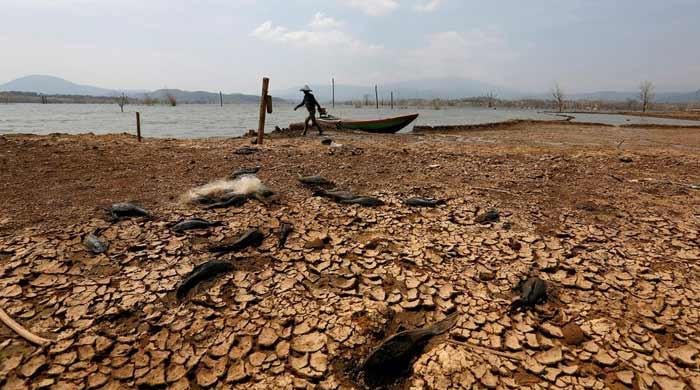
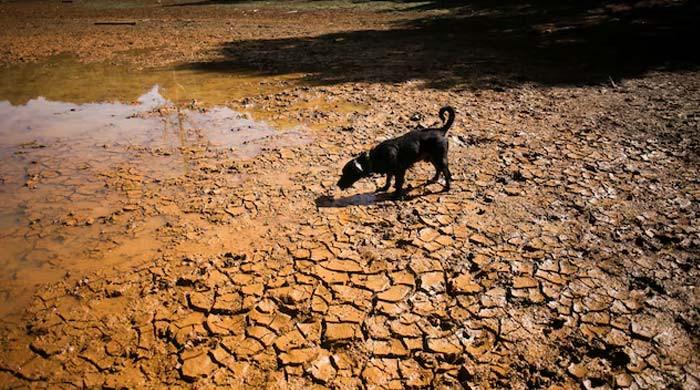
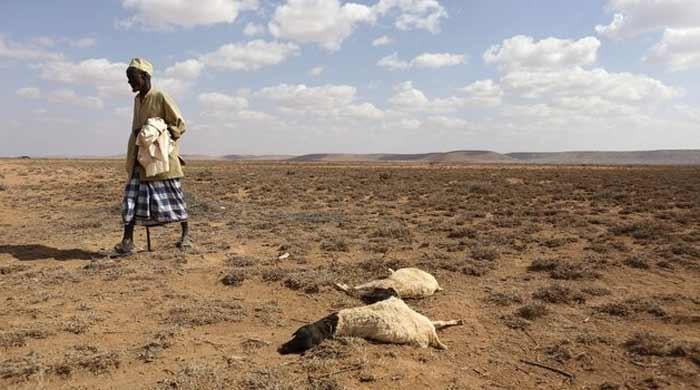
El Nino is a periodic warming of sea surface temperatures in the eastern Pacific caused by weakening trade winds. It occurs naturally every two to seven years and tends to last up to 12 months, causing intense rains and droughts across Latin America.
This year's phenomenon has already had impacts for soft commodities in tropical areas, causing a severe food crisis across Central America's Dry Corridor.
It is set to peak towards the end of this year, the WMO said in a statement.
WMO Secretary-General Celeste Saulo said it is stepping up preparedness and early warning efforts in preparation.
"WMO is committed to working closely with partners across the United Nations and humanitarian system to provide the climate intelligence and insights needed to support disaster management and climate-sensitive sectors like agriculture, health, energy and water resources," she said.