Three wild dog brothers travel record 2,500 miles across Africa to find mates
Only around 6,000 African wild dogs are thought to remain in the wild
Published September 15, 2026
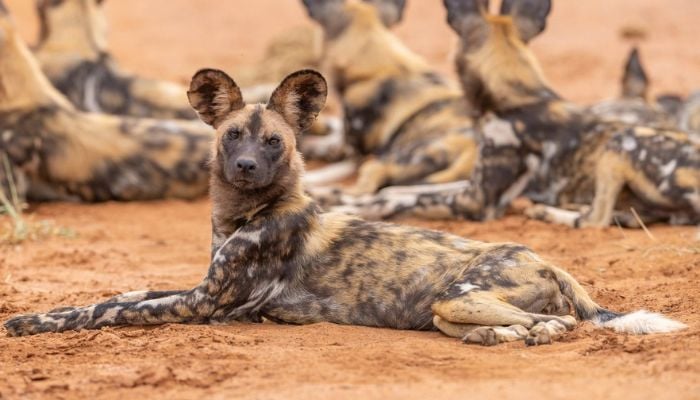
Three wild dog brothers travelled nearly 2,500 miles across Zambia for one simple reason: they needed to find mates.
The extraordinary journey is believed to be the longest ever recorded for an African land mammal dispersing in search of a mate.
Scientists tracked the three African wild dogs using GPS collars as they zigzagged their way across Zambia for around eight months.
By the time they were done, the brothers had covered roughly 4,000km, or 2,485 miles.
The strange thing is that their final destination was only around 260 miles from where they started.
Instead of taking anything close to a direct route, the dogs wandered across a landscape filled with farms, roads and towns, even avoiding heavily developed areas around major cities.
But why go through all that trouble just to find a mate?
African wild dogs live in close family groups and breeding with members of the pack they were born into isn't an option.
When they reach adulthood, some therefore leave home and go looking for unrelated females with whom they can start a new pack.
For these three brothers, that search became an epic road trip.
Researchers say the journey is also surprisingly good news for the endangered species.
Only around 6,000 African wild dogs are thought to remain in the wild, with populations scattered across different parts of Africa.
The fact that the brothers managed to move between distant wildlife strongholds suggests those populations may not be as isolated from each other as previously feared.
Their journey wasn't without danger.
Three female wild dogs tracked in the same research attempted an equally remarkable trip, but one was caught in an illegal snare after travelling more than 1,400 miles. Two of the three females eventually died.
Researchers say the findings show why wildlife corridors between national parks are so important.
For the three brothers, however, the 2,500-mile search appears to have paid off.
Scientists believe they eventually established a new territory although researchers are still working out exactly who they settled down with.