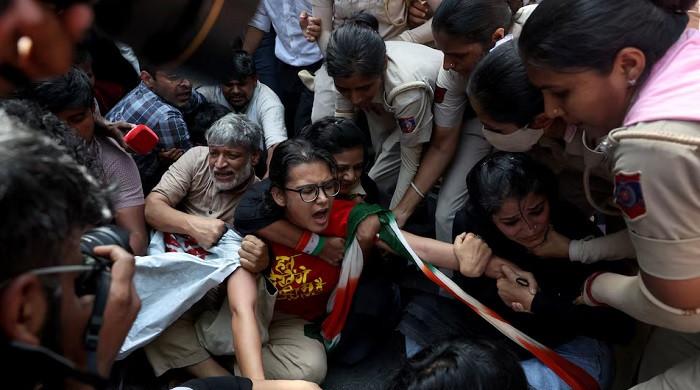
Trump admin targets Int'l Criminal Court with sweeping sanctions after Netanyahu warrant
Plans follow ICC's move to prosecute Israeli PM and former defence chief Gallant over Gaza war crimes
Published September 21, 2026
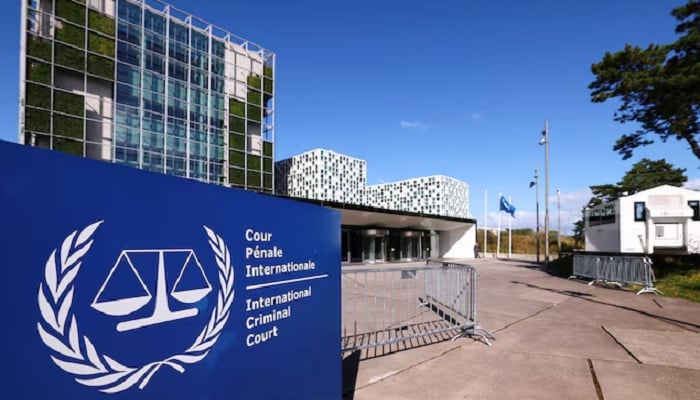
- Sanctions may restrict ICC's access to dollars and global financial system.
- Move reportedly to go beyond existing sanctions on individual ICC officials.
- US, Israel are not members of ICC and reject its jurisdiction in these cases.
President Donald Trump's administration has prepared sanctions against the entire International Criminal Court and plans to announce them soon, two sources familiar with the matter said, a move that would step up its attack on the global tribunal that prosecutes war crimes and genocide worldwide.
The Trump administration has made no secret of its disdain for the court and has worked to undermine it.
US officials want the court to drop its arrest warrants against Israeli leaders as well as a past probe into American troops in Afghanistan.
US Secretary of State Marco Rubio in July announced a campaign to isolate the court, calling on other countries to withdraw from the tribunal.
Washington has imposed sanctions on a number of ICC judges and prosecutors but has so far held off from imposing sanctions on the court itself, although the move has long been considered as one of the options.
The State Department did not immediately respond to a request for comment.
Sanctions against the court have been prepared, the sources said, even though the exact timing of an announcement remained unclear.
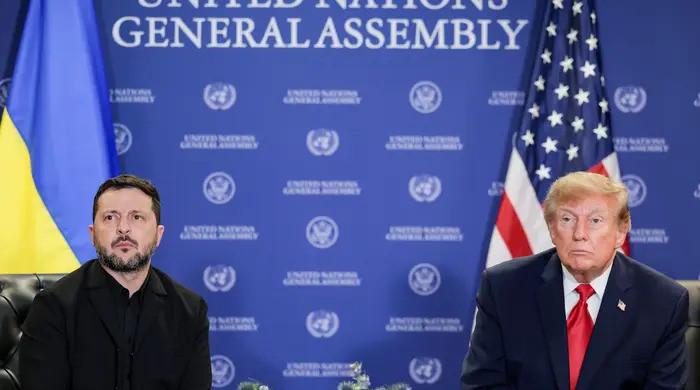
The Wall Street Journal cited officials who said the decision could be finalised as soon as this week during the United Nations General Assembly meeting.
Targeting the entire organisation directly, as well as entities that cooperate with it, could severely undermine the court's work.
Any entity-wide sanctions imposed by the US Treasury would prohibit US citizens and companies from providing funds, goods, or services to the court without a license from the US Treasury's Office of Foreign Assets Control (OFAC).
Banks often over-comply with such US sanctions because they depend on access to the American financial system.
Among the court's operations that could be affected by sanctions against the entire organisation are the purchasing of IT services and insurance, the hiring of investigators and conducting everyday financial transactions, such as paying dozens of American employees, the ICC's registrar and president have warned.
Trump's opposition to the court goes back to his first term.
It surfaced again with a plan to penalise ICC officials, an idea developed in November 2024 when Trump was reelected and the ICC issued an arrest warrant for Netanyahu for alleged war crimes and crimes against humanity in the Gaza conflict.
The ICC was established in 2002 by the international community to prosecute war crimes, genocide and crimes against humanity.
It asserts jurisdiction only if a member state is unable or unwilling to prosecute atrocities itself.
The United States and Israel have never been members.