British-Indian £90m fraud mastermind traced in Dubai despite 20-year UK jail sentence
BBC investigation reveals how Arif Patel avoids prison while fighting £90.5m confiscation order imposed by court
Published October 24, 2026
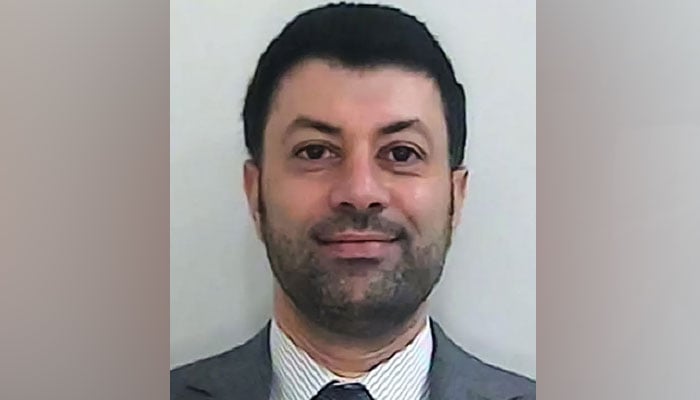
LONDON: British-Indian businessman and convicted £90 million fraud mastermind Arif Patel, who led a criminal network that attempted to defraud the British taxpayer of over £90 million, continues to live freely in Dubai despite receiving a 20-year prison sentence in one of Britain's biggest tax fraud cases, a BBC investigation has revealed.
The investigation by BBC's "File on 4 Investigates" has exposed how Patel, originally from Preston, Lancashire, born to Indian parents, has avoided serving a single day of his prison sentence while fighting a £90.5 million confiscation order imposed by a British court over the proceeds of his criminal activities.
Patel and his organised criminal network successfully stole more than £33 million from British taxpayers and attempted to obtain tens of millions more through fraudulent VAT repayment claims involving fake exports of textiles and mobile phones.
British investigators stopped the remaining fraudulent claims. The fraud was among the largest carousel tax fraud operations investigated by HM Revenue and Customs (HMRC), involving an elaborate network of companies, false invoices, counterfeit clothing and international financial transactions.
In August 2025, Chester Crown Court ordered Patel to repay exactly £90,503,211.96 after determining the value of the criminal benefit and available assets. The order targeted his extensive property holdings in Britain and overseas, as well as luxury possessions including a Ferrari 575 Superamerica. Now living in Dubai, Patel has challenged the confiscation order in the Court of Appeal, delaying the recovery of the money.
Patel fled Britain in July 2011 after obtaining permission from a judge to travel to Dubai while on bail. He never returned to face justice and subsequently joined his brothers Munaf Patel and Faisal Patel, who had already left Britain after knowing they would be charged and likely jailed.
In 2023, Patel was convicted in his absence at Chester Crown Court of offences including conspiracy to cheat the public revenue, money laundering, false accounting and dealing in counterfeit clothing. He was sentenced to 20 years in prison. The sentencing judge described Patel and his brothers as high-level criminals involved in an organised criminal network.
Patel's criminal operation was centred on his Preston-based company Faisaltex Ltd, which was used to facilitate fraudulent VAT repayment claims and the importation and sale of counterfeit designer clothing. The gang also traded fake clothing that would have been worth at least £50 million had the products been genuine. Investigators established that proceeds from the criminal activities helped finance a substantial international property portfolio, including assets in London, Preston, Morocco, the United Arab Emirates, Saudi Arabia and Turkey.
Twenty-four other members of the criminal network were convicted in separate proceedings and received combined prison sentences exceeding 116 years.
Patel's co-accused, Dubai-based Mohamed Jaffar Ali, was also convicted in his absence of fraud and money laundering offences. Authorities identified him as a key financial facilitator who helped move criminal proceeds through offshore accounts.
In an earlier report published on August 30, 2025, Geo News detailed the court's £90 million confiscation order against Patel and the planned seizure and sale of his properties and luxury vehicles. The report highlighted how Patel had built an international property empire while remaining a fugitive from British justice.
Richard Las, director of HMRC's Fraud Investigation Service, previously said Patel had financed an extravagant lifestyle through criminal activities at the expense of ordinary taxpayers.
Lancashire Police also described Patel as the head of a Preston-based organised crime group whose activities caused substantial financial losses. The Crown Prosecution Service warned that Patel could face additional imprisonment if he failed to comply with the confiscation order.
The BBC investigation has also examined online material portraying Patel as a successful businessman and philanthropist in Dubai, raising questions about efforts to rehabilitate his public image despite his criminal convictions.
Dame Margaret Hodge, the British government's anti-corruption champion, criticised Patel's continued avoidance of punishment and raised concerns about his use of legal proceedings to challenge the confiscation order while remaining overseas.