Super El Nino could kill 373,000 people in six months, scientists warn
El Nino happens about every 2-7 years and may result in droughts, floods and extreme hot weather at various locations
Published October 28, 2026
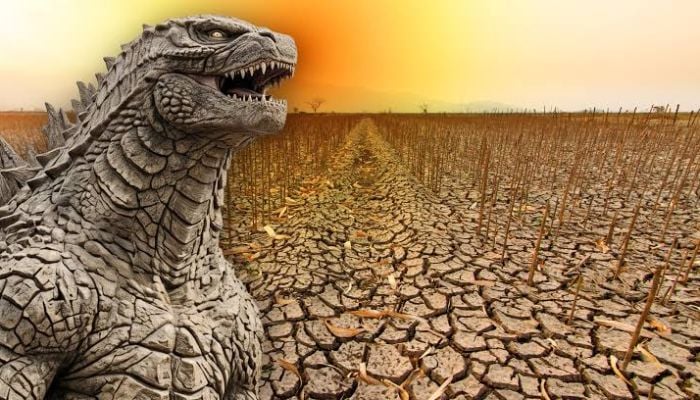
A new scientific forecast predicts that around 373,000 more heat-related deaths will occur over the next six months around the world, with nations in Africa and Asia most likely to be hardest hit, thanks to a powerful weather phenomenon called "Super El Nino.
Climate scientists at the University of Chicago's Climate Impact Lab have created a worldwide map of the areas that might be most vulnerable to the increased temperatures during El Niño between October 2026 and March 2027.
The researchers estimate that Nigeria may experience an additional 56,000 deaths from heat, India an additional 55,000.
Indonesia is also seriously among the countries with the highest risk, with an estimated death toll of 29,000, while in Brazil there are expected to be about 19,000 deaths.
The forecasts follow as the weather phenomenon moves into the Pacific Ocean and intensifies, with scientists predicting it could be one of the most powerful El Nino events ever.
So, what is El Nino?
It is a naturally occurring weather pattern characterized by abnormally warm sea temperatures in the central and eastern Pacific that can affect precipitation and temperature elsewhere in the world.
It happens about every 2-7 years and may result in droughts, floods and extreme hot weather at various locations.
The US National Oceanic and Atmospheric Administration (NOAA) has a 83% probability that the El Niño event will be a historic strength during October to December.
In the meantime, the World Meteorological Organization (WMO) has stated that the event has the potential to occur towards the end of 2026, which could lead to global temperatures rising and an increase in extreme weather events.
The number of deaths is likely to be lessened through the use of early warning systems, cooling centres and better health care provision, as well as ways of keeping people from working outdoors, researchers said.
The figures are statistical estimates, though, and the real toll will depend on the weather and government actions.