Three minor earthquakes jolt California along San Andreas Fault overnight
The most recent earthquakes along the San Andreas Fault were recorded in Loma Prieta in 1989 and San Francisco in 1906
Published November 02, 2026
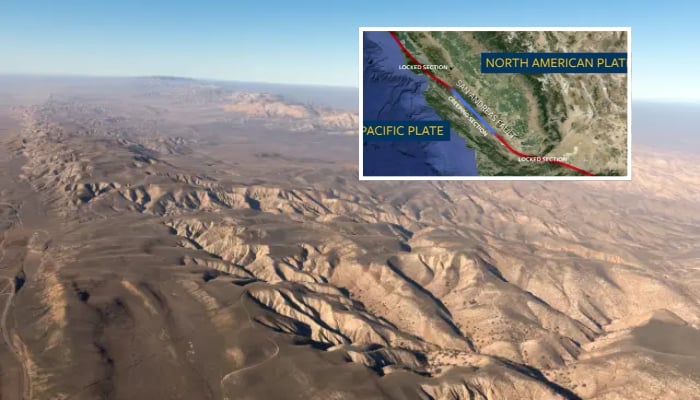
Three minor earthquakes have rattled across California overnight right along the San Andreas Fault, the U.S. Geological Survey reported.
The quakes were registered in the mid-magnitude 2 range across Northern and Southern California on Sunday, November 1, 2026.
A small 2.7-magnitude earthquake was detected in Petrolia at around 4:31 a.m., followed by a 2.6-magnitude shake felt in Santa Barbara near 4:39 a.m., according to a USGS Latest Earthquakes Interactive Map.
Westley was also shaken up with a magnitude 2.5 quake on Saturday night.
The most recent earthquakes along the San Andreas Fault were recorded in Loma Prieta in 1989 and San Francisco in 1906.
Local media reports highlight that six tremors with a magnitude of 2.5 have jolted the region over the last week.
The strongest, a 2.9 scale quake, jolted the same area on October 31.
According to the U.S. Geological Survey, magnitude measures the energy released at the source of the earthquake.
It now replaces the old Richter scale.
Quakes between 2.5 and 5.4 magnitude are often felt but rarely cause much damage.
According to the U.S. Department of Homeland Security, earthquakes’ sudden, rapid shaking can trigger fires, tsunamis, landslides or avalanches.
They can happen anywhere but are most common in Alaska, California, Hawaii, Oregon, Puerto Rico and Washington.
According to an estimate, there are 500,000 traceable earthquakes in the world each year, and 100,000 of those can be felt, and 100 bring damage to the property and loss of lives.
Why does the San Andreas Fault draw constatnt spotlight?
The San Andreas Fault stretchs roughly 800 miles through California and marks the boundary between the Pacific and North American tectonic plates.
The region has produced significant seismic activity in the past, including the destructive 1906 San Francisco event.
With this past record in mind, even the modest secondary activity draws the spotlight from scientists and emergency planners.
Minor quakes like those recorded overnight are common along the fault and serve as reminders of ongoing plate movement.