How a young engineer sparked the birth of handheld digital camera
Steve Sasson was just 23 when he joined Kodak, a company better known for film and chemicals than electronics
Published December 09, 2025
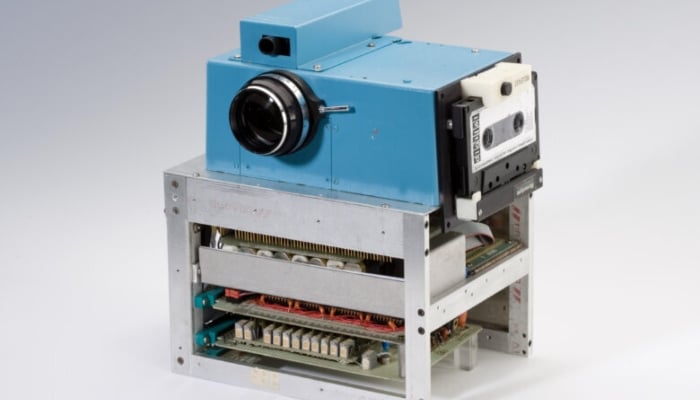
A 1975 prototype built by a 23-year-old Kodak engineer is now recognised as the world’s first handheld digital camera, a breakthrough that changed photography years before digital imaging took off.
The story of the handheld digital camera began in 1975, when a young electrical engineer at Eastman Kodak pieced together a prototype that would change photography forever, BBC reported.
Steve Sasson was just 23 when he joined the company, better known for film and chemicals than electronics. While most of his colleagues focused on perfecting traditional cameras and film, Sasson was interested in the growing world of integrated circuits.
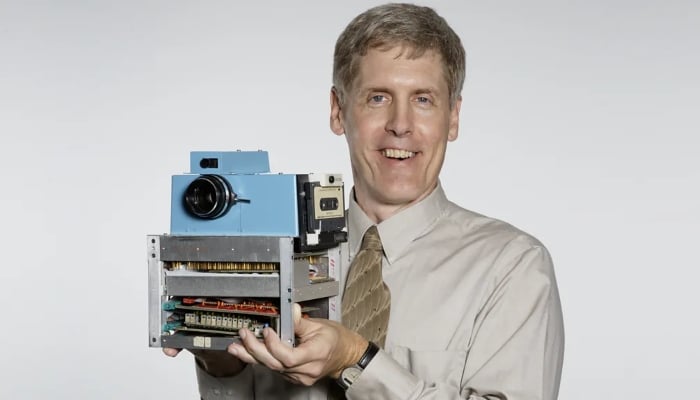
Kodak asked him to look into a new light-sensitive chip called a charge-coupled device (CCD).
Sasson quickly realised it could form the heart of a camera that didn’t need film at all. Using mostly scavenged parts, he attached a lens from a discarded movie camera to the CCD, pulled a converter from a cheap voltmeter, and wired the whole system to an audio cassette deck to store the image data.
By the end of 1975, Sasson and colleague Jim Schueckler had built a 3.6kg, toaster-sized device that could capture 100 x 100-pixel black-and-white photos. The first picture, taken of a colleague, looked badly distorted on a TV monitor after a 23-second playback, but the pair knew they were on track to something big.
As Sasson described his feelings on the achievement as: “We were just overjoyed.”
Kodak’s executives soon realised how disruptive the idea could be. They asked when colour might be possible, how quickly resolution could improve, and when consumers might actually want a filmless camera.
Sasson guessed it would take 15 to 20 years for digital images to approach basic film quality, a prediction that proved prescient when Kodak launched its first consumer digital camera in 1995.
That early prototype, now kept at the George Eastman Museum, helped set off the digital photography boom. Its influence is felt today in the cameras built into billions of smartphones worldwide.