Weight-loss medication linked to lower risk of drug addiction: study
"Effect was not confined to one substance; it was evident across the board for all addictive substances," says researcher
Published March 05, 2026

PARIS: Taking a new generation of weight-loss medication is linked to a significantly lower risk of addiction and death from drugs such as cocaine and alcohol, a large US study suggested on Thursday.
The massively popular drugs known as GLP-1 agonists could even halve people's risk of dying from a range of harmful substances, according to the research published in the BMJ journal on Thursday.
However outside experts urged caution in interpreting the results, which do not establish a causal link, calling for clinical trials to find out more.
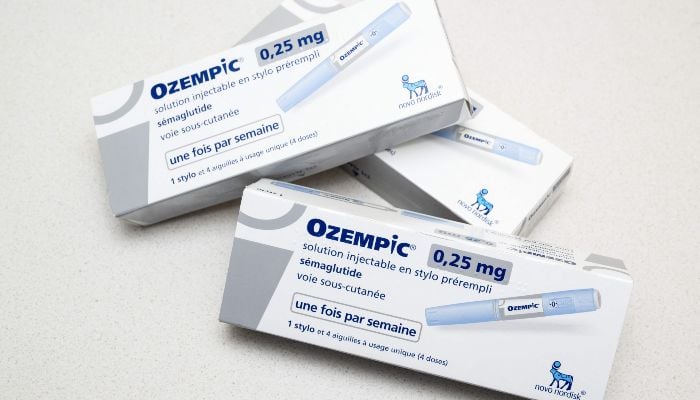
As GLP-1 drugs such as Ozempic have transformed the treatment of diabetes and obesity in recent years, they have also shown signs of helping with a surprising variety of health problems — including addiction.
The US team of researchers analysed the medical records of more than 600,000 people with type 2 diabetes in the US Department of Veterans Affairs' healthcare database who took either GLP-1s or an older kind of diabetes drug.
The researchers then looked at the effect of drugs including alcohol, cannabis, cocaine, nicotine and opioids over three years.
For veterans who already had a drug addiction, taking GLP-1s had a 50% lower rate of death and a 40% lower rate of overdose.
The rate of emergency department visits was more than 30% lower, while hospital admissions and suicidal thoughts or attempts were down by a quarter.
Among veterans with no history of drug addiction, taking GLP-1s was linked with a 14% lower risk of developing one.
'Quite a surprise'
Ziyad Al-Aly, an epidemiologist at Washington University in St Louis and the study's senior author, told AFP it was "quite a surprise" how many substance-use disorders the GLP-1s appeared to prevent.
"The effect was not confined to one substance, it was evident across the board for all addictive substances," he told AFP.
The research is observational, so cannot directly prove that the GLP-1s caused the results seen in the study.
And exactly how these appetite-suppressing drugs could fight addiction remains unclear. However there have been suggestions they could have an impact on how our brains reward certain behaviours.
The researchers also warned that the participants were mostly older white men — though the results appeared consistent for women as well.
Fares Qeadan, a biostatistics expert at Loyola University Chicago not involved in the research, said the "implications are pragmatic rather than revolutionary".
"Policymakers should therefore avoid premature 'Ozempic for addiction' narratives," Qeadan said in a linked editorial in the BMJ.
And even if clinical trials confirm these drugs are effective against addiction, they are expensive and not available equally to all countries, he added.