Mideast conflict enters Cold War-like phase amid US-Iran deadlock: report
“Frozen conflict” worst thing for Trump politically and economically as midterm elections draw closer, says US official
Published April 28, 2026
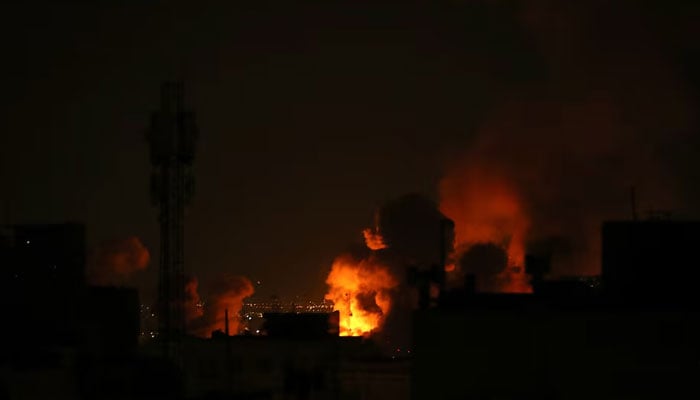
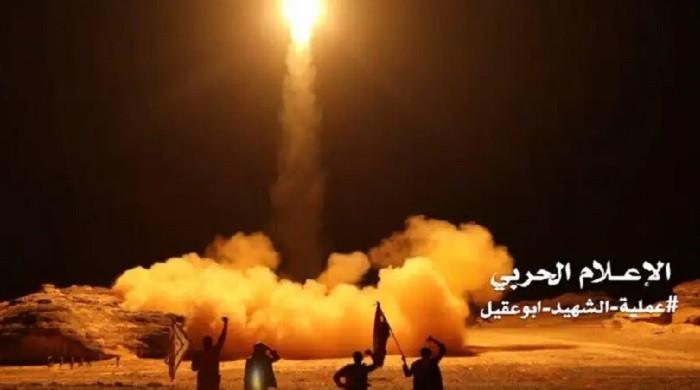
The ongoing Middle East conflict has entered a Cold War-like phase, with both the United States and Iran holding firm to their positions and claiming battlefield success, while the consequences of the confrontation are being felt across the world.
Citing US officials, Axios, a US-based media outlet, reported that there is currently no immediate end in sight to the US-Iran stalemate.
The conflict has entered "a Cold War-like phase, with financial sanctions, gunboat interdictions, and talks about having talks," it added.
The US is being drawn into a “frozen conflict of no war and no deal”, the report said quoting the officials, adding that in this case, Washington would have to keep its forces in the region for many more months.
If that were to happen, the Strait of Hormuz would remain closed, the US blockade would continue, and both sides would carry on waiting for the other to “blink or fire first,” the US-based media outlet reported.
The report claimed that US President Donald Trump is “undecided” on whether to launch new military strikes or wait to see if his "maximum pressure" and financial sanctions will bring Iran to the negotiating table.
An official close the president said that a “frozen conflict” is the worst thing for Trump politically and economically as midterm elections coming closer.
"I would describe him [Trump] as frustrated but realistic," the official said. "He [Trump] doesn't want to use force. But he's not backing down."
The report further said that some of Trump’s senior advisers are urging him to maintain the US blockade of the Strait of Hormuz for now and increase economic sanctions on Iran before considering further bombing.
US-Israel war on Iran
The Mideast conflict emerged when the US and Israel launched a war on Iran on February 28, killing top Iranian leadership, including Supreme Leader Ayatollah Ali Khamenei.
In response, Iran launched missile strikes on US bases across Gulf countries and Israel, inflicting heavy losses.
On April 8, US President Donald Trump said he had agreed to a two-week ceasefire with Iran, less than two hours before his deadline for Tehran to reopen the Strait of Hormuz was set to expire, following discussions with Prime Minister Shehbaz Sharif and Chief of Army Staff and Chief of Defence Forces Field Marshal Asim Munir.
Earlier, Trump had warned that "a whole civilisation will die tonight" if his demands were not met.
In order to solve the Mideast crisis Pakistan hosted peace talks between the US and Iran earlier this month. However, after more than 21 gruelling hours of negotiations, American and Iranian diplomats left Pakistan’s capital on April 12 without a formal agreement.
On April 22, President Donald Trump extended the US ceasefire with Iran to allow more time for peace talks, at Pakistan’s request.
Meanwhile, Gulf leaders met in person in Saudi Arabia on Tuesday (today) for the first time since their states became a front in the Iran war. A Gulf official said the meeting aimed to craft a response to the thousands of Iranian missile and drone attacks they faced since the US and Israel launched the war on Iran.
Trump faces domestic pressure to end war
With his approval ratings falling, Trump faces domestic pressure to end a war for which he has given the US public shifting rationales.
Senior Iranian officials, speaking on condition of anonymity, told Reuters the proposal carried by Araghchi to Islamabad over the weekend envisioned talks in stages, with the nuclear issue to be set aside at the start.
A first step would require ending the US-Israeli war on Iran and providing guarantees that the US cannot start it up again. Then negotiators would resolve the US Navy's blockade of Iran's trade by sea and the fate of the Strait of Hormuz, which Iran aims to reopen under its control.
Only then would talks look at other issues, including the longstanding dispute over Iran's nuclear programme, with Iran still seeking some kind of US acknowledgment of its right to enrich uranium.
— With additional input from Reuters