Israel-Lebanon escalation lifts oil over 2% as Hormuz uncertainty persists
Brent above $93, WTI nears $90 as analysts warn reopening Strait may be slower than expected even if deal reached
Published June 01, 2026
- Hezbollah, Israel continue exchanging fire despite an April ceasefire.
- Trump says decision on proposed Iran ceasefire extension likely soon.
- Tehran insists Hezbollah must be included in any broader settlement.
Oil prices rose more than 2% in early trading on Monday after Israel ordered troops to move further into Lebanon in the battle with the Iranian-backed Hezbollah militant group, despite a ceasefire announced more than six weeks ago.
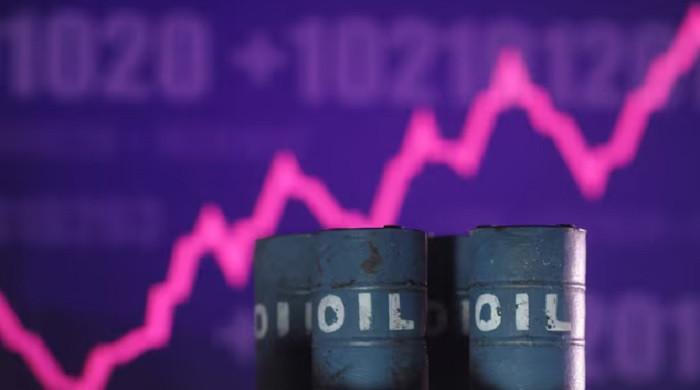
US crude futures rose $2.17 or 2.48% to $89.53 a barrel as of 1112 GMT. Brent futures rose $1.93 or 2.12% to $93.05 a barrel.
The stepped-up fighting, coming just after the US hosted Israeli-Lebanon peace talks in Washington on Friday, dimmed expectations that the US and Iran could soon announce an extension to their ceasefire agreement, which had driven Brent and WTI to settle up 1.8% and 1.7%, respectively, on Friday.
The Israel-Lebanon conflict has been the broadest spillover of the Iran war. It started on March 2 when Hezbollah began firing rockets and drones across the border into Israel to back its ally Iran.
The two sides reached a ceasefire in mid-April but have continued to trade fire.
US President Donald Trump said on Friday that he would soon decide on a proposed deal to extend a ceasefire with Iran announced in early April, giving negotiators more time to seek a permanent end to the conflict and find a solution to the underlying dispute over Iran's nuclear program. Israel would be key to any such deal, and Iran has also said repeatedly that Hezbollah must be included.
Meanwhile, concerns are rising about mines in the key oil and gas shipping lane, the Strait of Hormuz, IG analyst Tony Sycamore said in a note. That could slow the process of reopening the strait and mean that relief comes more slowly for the oil market even after it is reopened.
"Even if an agreement is reached, it won't deliver a flood of supply," Sycamore said.
An Axios reporter said on X on Friday that Iran had dropped more mines in the strait earlier in the week, shortly after US Defence Secretary Pete Hegseth said that attempts to lay more mines would be a violation of the ceasefire.
Hormuz is a conduit for about a fifth of global oil and gas flows, and Iran has effectively closed it since the conflict began with US and Israeli strikes in February.
Concerns over supply outweighed lacklustre economic data from China over the weekend, which showed stalling factory activity. This added to concerns that the world's second-largest economy is losing momentum, weighed down by a contraction in exports and cost pressures.