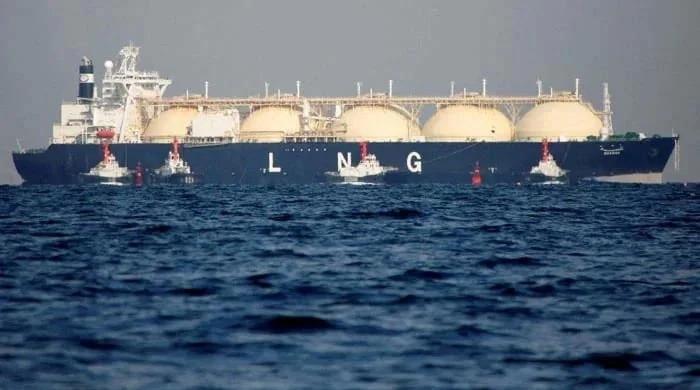
Crude oil rides geopolitical shockwave, gaining around 2% after ME military flare-up
Cryptocurrencies slide, with bitcoin falling nearly 10% in three sessions to a two-month low
Published June 03, 2026
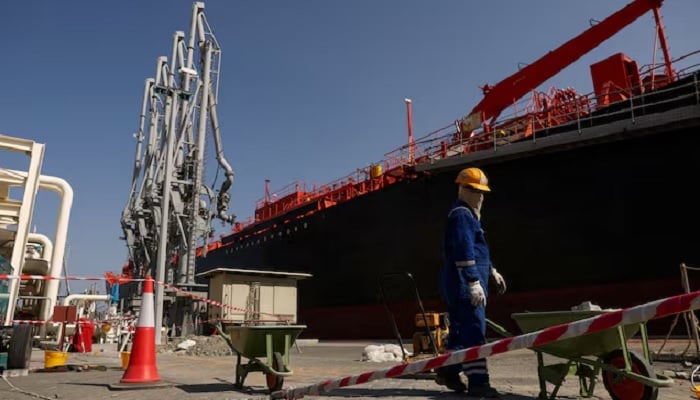
- Markets remained focused on stalled Iran–US diplomatic talks.
- Little progress was reported in negotiations to end the conflict.
- Concerns persisted over Hormuz and potential supply disruption.
Oil prices rose for a third day running on Wednesday, and the dollar was on the brink of breaking above 160 yen as fresh hostilities flared in the Gulf after US-Iran peace talks stalled.
US crude futures jumped around 2% to $95.40 a barrel. The dollar hit 160 yen, then paused as traders became wary of potential Japanese intervention around that level.
On the supply side, US crude oil inventories fell for a seventh straight week last week, according to market sources citing American Petroleum Institute data released on Tuesday.
Crude stocks fell by 6.8 million barrels in the week ended May 29, the sources said. US government data on stockpiles is due at 10:30am ET (1430 GMT) on Wednesday.
ANZ bank senior commodity strategist Daniel Hynes said any efforts to reopen the Strait of Hormuz face challenges as Iran has mined large portions of the vital waterway.
"There has been a slight tick up in vessels attempting the journey, but total transits remain significantly below pre-conflict levels," Hynes said.
S&P 500 futures dipped, although the artificial intelligence-driven rally pushed on in Asia, where stock indexes climbed to record highs in Taiwan and Japan. South Korean markets were closed.
US Central Command said Iran fired missiles at Kuwait and Bahrain, which were thwarted or failed, prompting US forces to hit back at Iran's Qeshm Island in the Strait of Hormuz.
Iran's Revolutionary Guards said it had attacked the US Fifth Fleet headquarters. Iran and the United States said last week that they had reached a tentative deal to halt the war, but the two sides have yet to sign off on any agreement.
"Last week ... trajectory was towards some sort of memorandum of understanding and markets were high on the belief that that was coming," said Chris Weston, head of research at broker Pepperstone in Melbourne.
"Things are looking more precarious now. It does suggest that people are coming back to the negotiating table with less scope to get that done and I think we're seeing some of those bets being unwound."
Cryptocurrencies were tumbling, with bitcoin now down nearly 10% in three sessions to hit a two-month low of $66,123 on Wednesday.
Still, the artificial intelligence theme seems impervious to war worries and Wall Street stock indexes eked out small gains overnight, led by AI.
Shares in Marvell Technology soared 32.5% to a record high after Nvidia boss Jensen Huang called the chipmaker the next trillion-dollar company at the Computex week in Taipei.
SpaceX plans to raise $75 billion in a blockbuster initial public offering next week, by selling 555.6 million shares at a target price of $135 per share, according to a source familiar with the matter.
Bonds, which had rallied through Tuesday, were steady early on Wednesday with the benchmark 10-year US Treasury yield at 4.46%.
Overnight data showed US job openings increased by the most in five years in April, pointing to a resilient labour market and offering little evidence the economy needs lower rates.
The US services ISM is due later on Wednesday, ahead of labour market data on Friday.
"In our view, the pickup in momentum across the US economy over early 2026 could see the US jobs report exceed downbeat consensus forecasts," Peter Dragicevich, Asia-Pacific currency strategist at payments firm Corpay, said.
"If realised, we think this may bolster the view that the US Federal Reserve could raise interest rates down the track, which in turn might see the US dollar strengthen."
Markets, which had expected rate cuts before the Iran war, have priced in about 18 basis points of US rate increases this year. A hike in Europe next week is all but fully priced in following data showing inflation accelerated further last month, while traders see about a 75% chance of a June rise in Japan.
Foreign exchange markets were broadly steady, with the euro at $1.1627 and the dollar just shy of 160 yen at 159.86.
Australia's economy slowed in the March quarter, data showed, as a boom in data centres boosted business investment but also sucked in imports, though the currency held steady at $0.7177.