Budget 2026-27: Your guide to key terms that matter
From GDP to subsidies, understand the key budget and economic terms
Published June 12, 2026
With multiple external and internal shocks rocking Pakistan’s economy, the federal government is set to present the much-awaited annual budget today.
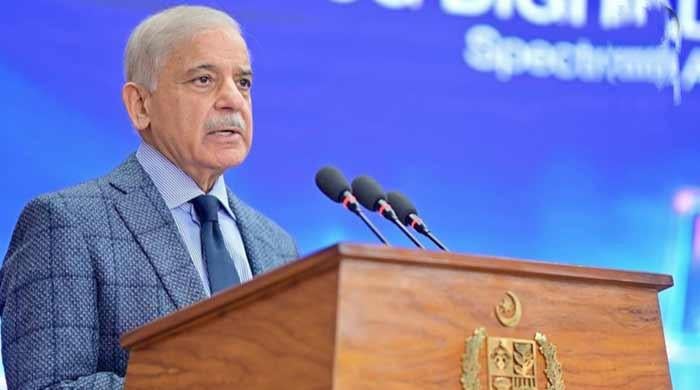
Finance Minister Muhammad Aurangzeb will table the Finance Bill 2026-27 in the National Assembly, followed by the Senate.
This comes a day after Aurangzeb unveiled the Economic Survey 2025-26, showing that Pakistan’s gross domestic product (GDP) hit its highest-ever size, but the South Asian nation missed its growth target due to external shocks.
With the government all set to unveil the budget today, here’s a one-stop guide for all financial terms to help you understand the contours of the finance bill.
GDP
Gross domestic product or GDP is the total monetary or market value of all the finished goods and services produced within a country’s borders in a specific time period.
PSDP
The Public Sector Development Programme (PSDP) is an important public intervention to spur private investment by way of developing human capital and improving the infrastructure. The PSDP is aligned with the overall long-term development objectives of the government.
Revenue
The revenue budget gives the details of the sources from where the government's revenue is coming. Revenue receipts can be further classified into tax revenue and non-tax revenue.
- Tax revenue — all the revenue collected from taxes on income and profits, social security contributions, taxes levied on goods and services, payroll taxes, taxes on the ownership and transfer of property, and other taxes
- Non-tax revenue — it is the recurring income earned by the government from sources other than taxes; these include royalties, dividends on government investments in state-owned enterprises, etc.
Petroleum levy
A federal government charge imposed on petroleum products such as petrol and diesel. Collected on a per-litre basis, it is included in fuel prices and serves as a major source of non-tax revenue for the government.
Expenditure
Government spending or expenditure includes all government consumption, investment, and transfer payments. It can be further classified into capital expenditure and revenue expenditure.
- Capital expenditure — the amount spent on creating or acquiring assets. It adds to the capital stock of the economy and is non-recurring in nature.
- Revenue expenditure — these are short-term expenses used in the current period or typically within one year.
Fiscal deficit
It is a shortfall in a government's income compared with its spending. A government that has a fiscal deficit is spending beyond its means.
Financing
Financing is the process of providing funds for business activities, making purchases, or investing.
Budget deficit
A budget deficit occurs when expenses exceed revenue, and it can indicate the financial health of a country.
Debt-to-GDP ratio
The debt-to-GDP ratio is the metric comparing a country's public debt to its GDP.
Subsidies
A subsidy is a benefit given to the people by the government. It can be direct (such as cash payments) or indirect (such as tax breaks).
Debt service
Debt service is the cash that is required to cover the repayment of interest and principal on a debt for a particular period
Tax-to-GDP
A tax-to-GDP ratio is a figure to gauge a nation's tax revenue relative to the size of its economy as measured by the GDP.