Govt to abolish super tax on exporters 'completely', says FinMin Aurangzeb
Finance minister warns impacts of Middle East conflict will continue next year
Published June 12, 2026
- Ministry to abolish super tax on PM's directives: Aurangzeb.
- FinMin hopes Pakistan's efforts will lead to US-Iran deal.
- Energy infrastructure hit due to Mideast conflict: Aurangzeb.
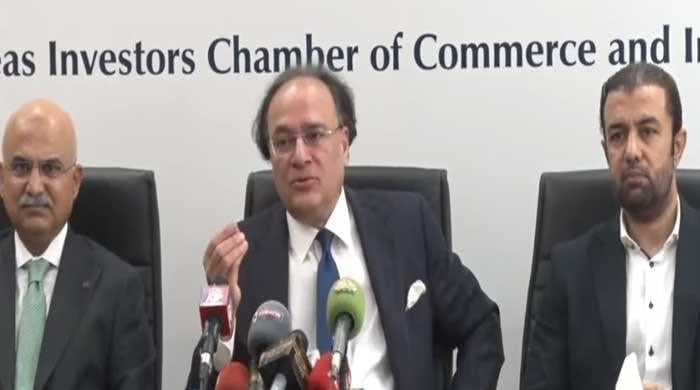
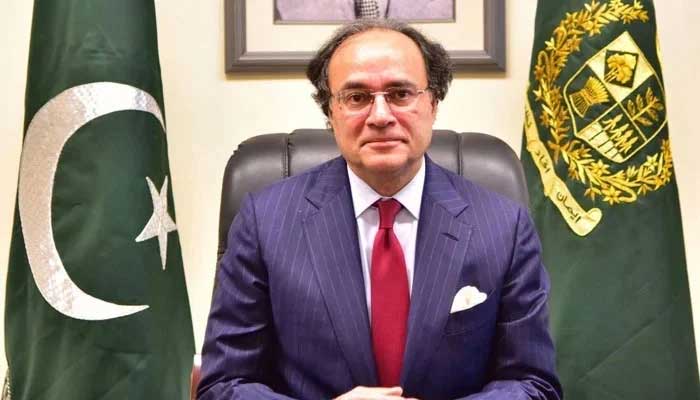
Finance Minister Muhammad Aurangzeb on Friday announced that the government will abolish the super tax on exporters in line with directives issued by Prime Minister Shehbaz Sharif.
"I have received directives from PM Shehbaz and the federal cabinet to abolish super tax completely on exporters. I will work on that along with my team," the finance minister said while speaking on Geo News programme 'Aaj Shahzeb Khanzada Kay Saath'.
"Since it is the prime minister's directive, we will go through with that," he added.
According to Aurangzeb, the government has also abolished super tax on exporters earning less than Rs500 million annually, and reduced it from 10% to 8% for businesses whose income exceeded Rs500 million.
The finance minister said that while the economy had stabilised, the government needed to keep room in its fiscal targets for the next year given the uncertainty created by the ongoing Middle East conflict.
"As a finance minister, I have to make sure we keep some room and buffer in the budget, because the energy infrastructure has been hit," he said.
While Aurangzeb expressed hope that Pakistan's efforts would help reach a lasting US-Iran deal, he warned that the conflict's impact will continue next year.
The finance czar's remarks come hours after he presented the FY2026-27 budget with a total outlay of Rs18,771 billion.
Giving a breakdown of the envisaged budget, the finance minister said that the largest share — Rs8.054 trillion — has been earmarked for mark-up payments, followed by Rs3 trillion for defence and Rs1 trillion for the federal development programme.
During his budget speech, Aurangzeb said that the economic growth rate is expected to remain at 4% while the average inflation rate is likely to be 8.2% during the next fiscal year.
In the budget, the government also proposed income tax relief in four slabs for salaried individuals and the abolition of the surcharge on the salaried class.
The Finance Bill proposed reducing income tax rates for salaried taxpayers through restructuring of tax slabs, with additional intermediate slabs introduced.