Digital assets chief urges 'careful' review of cryptocurrency after discussion with Mufti Usmani
Stablecoins and tokenised real-world assets represent broad spectrum of technologies, says Bilal Bin Saqib
Published July 11, 2026
- PVARA chief says had constructive discussion with Mufti Usmani.
- Digital assets represent broad spectrum of technologies: Saqib.
- Says digital assets should not be viewed through "single lens".
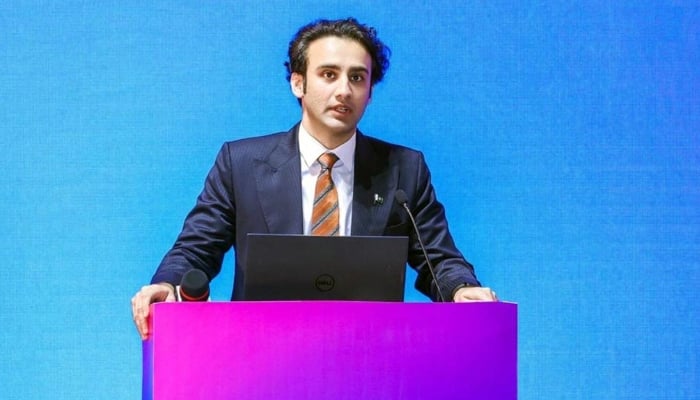
Pakistan Virtual Assets Regulatory Authority (PVARA) Chairman Bilal Bin Saqib has called for a "careful" technical assessment of blockchain and digital assets, saying they represented a broad spectrum of technologies and use cases.
In a post on X, Saqib said that he had a constructive discussion with Wifaq-ul-Madaris Al-Arabia Pakistan and Darul Uloom Karachi President Mufti Muhammad Taqi Usmani, who previously said that buying goods with cryptocurrency was not permissible under Shariah (Islamic law).
According to the PVARA chief, he discussed digital assets and the ongoing conversation around their status in Shariah with Mufti Usmani.
"I shared that blockchain, digital assets, stablecoins, and tokenised real-world assets represent a broad spectrum of technologies and use cases," Saqib said.
He added that the technology merited a "careful technical assessment" alongside rigorous Shariah examination, rather than being "viewed through a single lens".
"As this field continues to evolve, I look forward to continued engagement between respected scholars, regulators, and industry experts so that Pakistan's approach is guided by both Islamic principles and a comprehensive understanding of emerging technologies," Saqib said.
His statement follows Mufti Usmani's fatwa (religious decree), in which he said that cryptocurrency did not qualify as maal (property or wealth) in Shariah but was merely a record of notional numbers in an account, based on the findings and opinions of experts consulted so far.
Mufti Usmani added that purchasing goods through cryptocurrency was not permissible, whether the payment is made using USDT (Tether) or any other crypto token.
The fatwa was issued in response to a question asking whether purchases made using cryptocurrency were valid under Islamic law.
The questioner stated that he had bought two books from a person, one using a crypto token and the other using USDT (Tether), and asked whether the transactions were religiously valid and what he should do if they were not.
The fatwa advised the citizen to return the books to the seller, as the purchase through cryptocurrency was impermissible.
Similarly, it said that the procurement of educational course was also not permissible, which also violated law. The fatwa instructed the questioner not to derive any benefit from the course, and advised him to permanently delete the course, which was stated to be in digital format.