PM Shehbaz warns renewed Middle East tensions could impact Pakistan's economy
Premier directs full preparedness against regional tensions, lauds public support for austerity fuel-saving drive
Published July 16, 2026
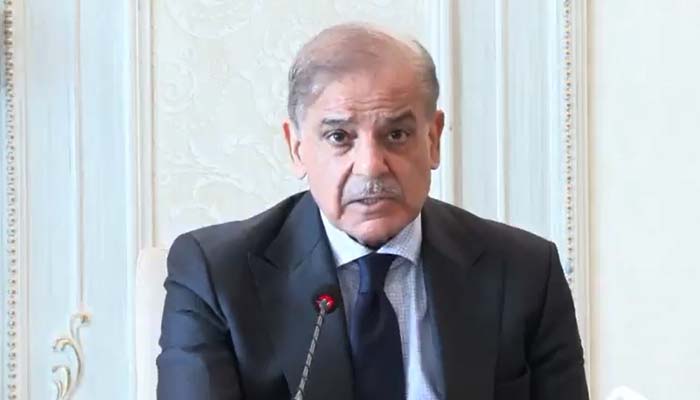
- PM chairs meeting to review impact of regional tensions.
- FO urges US, Iran to resume technical-level talks.
- Week-long escalation follows Iranian attacks on ships.
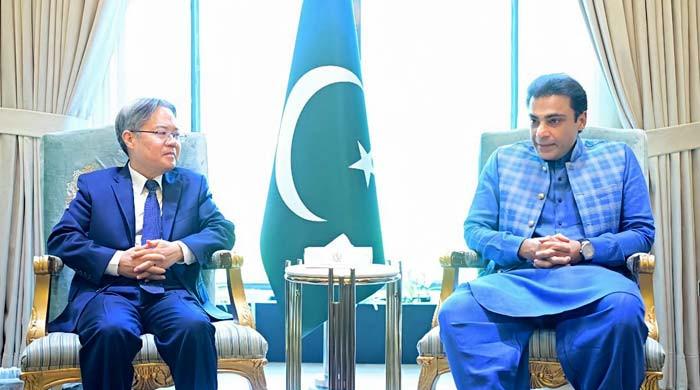
Prime Minister Shehbaz Sharif said on Thursday that escalating tensions in the Middle East could adversely affect the country's economic outlook, reiterating the need for vigilance and readiness across all relevant institutions.
Chairing a high-level meeting to review the impact of regional tensions on the national economy, the prime minister said that by the grace of Allah, the national economy remained stable at present, but stressed the need to formulate a comprehensive strategy to enable timely action.
Iran and the US exchanged intensified fire on Thursday in a week-long escalation that has all but torn up last month's truce.
For the first time since an Islamabad Memorandum of Understanding (MoU) paused fighting last month, the United States launched two big waves of air strikes in a single day on Wednesday, mostly on targets near the coast in southern Iran.
Iran responded with missiles and drones fired at US military bases in neighbouring countries, including a major barrage at a recently expanded air base in Jordan.
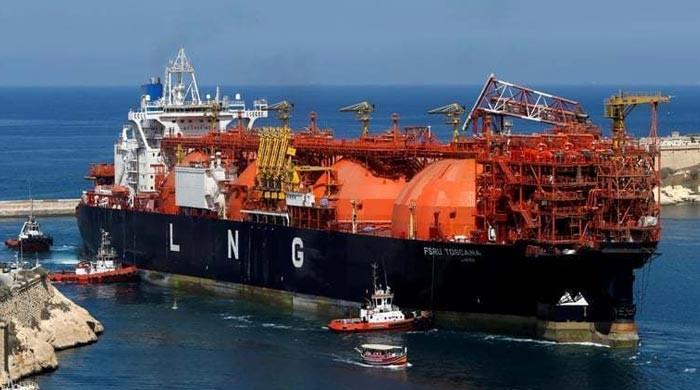
The re-escalation has once again largely halted traffic through Hormuz, the world's most important shipping route for oil and gas, pushing up global energy prices.
The US and Iran signed the Islamabad Memorandum of Understanding" on June 17, largely mediated by Pakistan.
The prime minister, chairing the meeting on Thursday, directed the relevant authorities to maintain full preparedness to counter potential challenges arising from prevailing regional uncertainty and lauded public support for the government's austerity and fuel-saving drive.
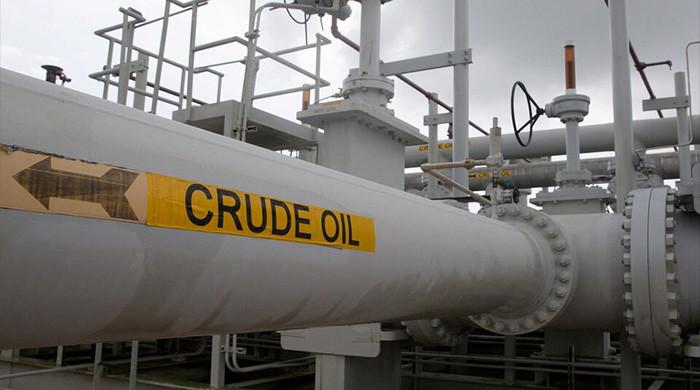
The meeting was briefed that the country currently possessed sufficient reserves of petroleum products to meet domestic requirements, and that measures had been put in place to ensure their continued supply in the future.
PM Shehbaz commended the effective and timely response of the government's strategy, which he said had ensured optimal management of the fuel supply situation in the country.
He noted that the government has extended protection to the common man, motorcyclists, rickshaw drivers and transporters, and that subsidies provided by the state had helped contain the impact of any increase in fuel prices.
The prime minister directed that, in coordination with provincial governments, strict action be taken against elements responsible for creating an artificial shortage of petroleum products in the market.
Reflecting on the govt's earlier austerity campaign, the prime minister expressed heartfelt gratitude to the public for the role they had played in its success, and called for the same spirit to be adopted nationwide going forward.
"Just as the people extended full support during the previous simplicity campaign, austerity must now be embraced at the national level," he said.
PM Shehbaz also acknowledged the public's cooperation in the national campaign for the conservation of petroleum products and energy, describing it as a significant contribution to the country's economic resilience.
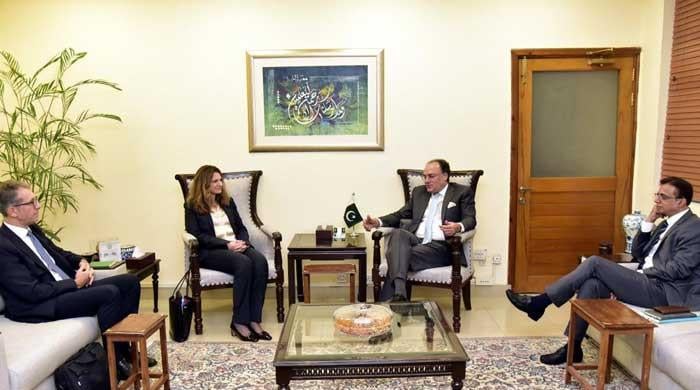
The meeting was attended by Federal Ministers Ahad Khan Cheema, Muhammad Aurangzeb, Ali Pervaiz Malik and Awais Khan Leghari, Minister of State Bilal Azhar Kayani, Special Assistant to the Prime Minister Tariq Bajwa, SBP Governor Jameel Ahmed, and senior government officials.
'Shun hostilities, resume talks'
Earlier in the day, Foreign Office spokesperson Tahir Hussain Andrabi said that Pakistan would encourage the United States and Iran to stop violence and resume talks under the Islamabad MoU — it helped mediate last month.
"While the implementation of the MoU is facing challenges, Pakistan will continue to encourage all sides to end violence and resume technical-level talks in accordance with the MoU," Andrabi said during a weekly press briefing in Islamabad.
Expressing deep concern over the renewed tensions between Iran and the United States, the FO spokesperson noted that Pakistan was closely monitoring the evolving regional situation and believes that negotiations remain the best way to address disputes.
Rejecting the impression that Pakistan has stepped away from peace efforts, the spokesperson said that Islamabad’s mediation efforts are continuing.
"We express the hope for an early normalisation of the situation in the Strait of Hormuz and underscore the importance of ensuring the continued safety, security and freedom of maritime navigation," he added.
— With additional input from APP and Reuters