$100 per barrel oil comes into view as Brent crude hits $97.34 amid rising Iran-US escalation
Markets are increasingly factoring in sustained risk premium as Middle East hostilities heat up, according to analysts
Published September 08, 2026

- Brent crude hit its highest level since July 24 on Monday.
- Goldman raises its Dec 2026 Brent forecast to $85, WTI to $80.
- Marex expects crude prices to remain elevated through year-end.
Oil prices moved higher on Tuesday as markets braced for a potentially prolonged confrontation in the Middle East, with Iran warning that any fresh US attacks on its assets would draw retaliation.
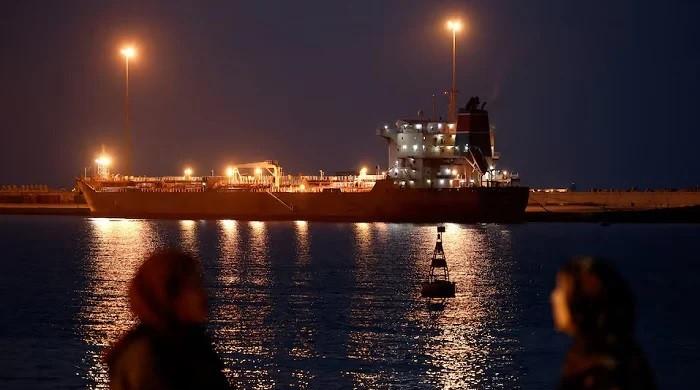
The threat added to concerns that the conflict could spread further across the region and disrupt energy supplies, keeping traders focused on the security of key oil-producing infrastructure and shipping routes.
Brent crude futures rose 34 cents, or 0.35%, to $97.34 a barrel by 0000 GMT, extending gains after a sharp rise in the previous session.
US West Texas Intermediate crude climbed $1.15, or 1.26%, to $92.63 a barrel.
The moves reflected a growing risk premium in oil markets as traders weighed the prospect of further military escalation against already elevated concerns over the flow of crude from the Gulf.
Brent had climbed to its highest level since July 24 in the previous session, underscoring the scale of the market reaction to the latest escalation.
Investors have increasingly priced in the possibility that disruption around the Strait of Hormuz could persist, rather than being a short-lived shock.
The strategic waterway is a crucial artery for global oil shipments, and any sustained disruption there could tighten supplies, raise transport risks and place further upward pressure on crude prices.
Iran warned on Monday that energy infrastructure across the Gulf, including US oil and gas interests, was vulnerable. This followed tit-for-tat strikes over the weekend, with no sign of progress towards a diplomatic breakthrough.
On Saturday, US forces struck three Iranian oil tankers, including one near Kharg Island, Iran’s main oil export hub, according to US Central Command. The attacks followed strikes by Iran’s Revolutionary Guards on US warships operating in the region.
“The recent escalation of the Middle East conflict has increased the likelihood of a prolonged standoff, punctuated by calibrated military action by the US and Iran. This could see Persian Gulf supply remain constrained through the rest of 2026,” Daniel Hynes, an analyst at ANZ, said in a note.
“We don’t expect a full return to pre-war throughput until late Q1 or early Q2 2027.”
Market outlook
Meanwhile, Goldman Sachs raised its Brent and West Texas Intermediate price forecasts by $5 to $85 and $80, respectively, for December 2026 and to $80 and $75, respectively, for 2027, reflecting its new assumption that Middle East shipping disruptions will continue into 2027.
In financial services platform Marex’s September commodity outlook, analyst Ed Meir said that as long as the war continues, which it thinks it will given “the multitude of issues that have yet to be addressed”, crude oil prices will likely remain elevated through year-end.