When do clocks fall back in 2026? Daylight saving end date explained
The current daylight saving time schedule follows the Energy Policy Act of 2005, which took effect in 2007
Published September 18, 2026
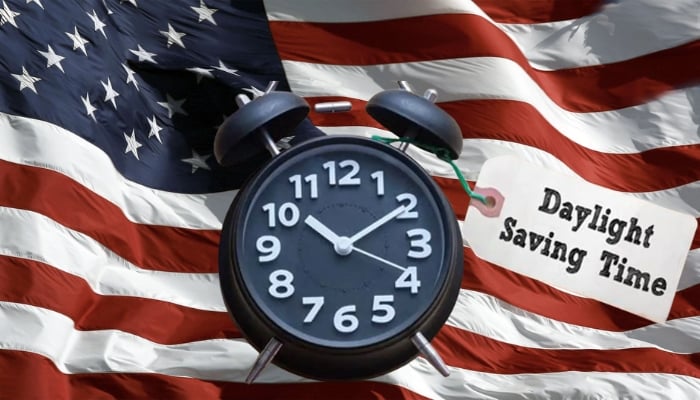
Americans will have to repeat the exercise this year to turn their clocks back one hour, despite a push in Congress to make daylight saving time a permanent feature.
With the daylight saving time ending soon, late risers will get an extra hour of sleep as the clocks return to standard time.
If you're still at sixes and sevens, here's a complete guide to when daylight saving time ends in 2026.
Daylight saving time comes to an end at 2 a.m. on the first Sunday in November.
This means that the date falls on November 1, which is the earliest day the yearly clock change can happen.
With the clocks set to return to standard time, many of you might have wondered why we need to change them twice a year.
Don’t worry, we got you covered.
According to a Congressional Service report, the government changes clocks each year to give people more sunlight during the hours they are usually awake and active.
It’s a practice being followed for over a century now, first started in 1918, although the rules for it have been revised multiple times.
The current schedule of daylight saving time follows the Energy Policy Act, signed into law by President Bush in 2005 and took effect in 2007.
Normally, daylight saving time begins on the second Sunday in March and wraps up on the first Sunday in November.
With the exception of Hawaii and most of Arizona, the rest of the U.S. states follow daylight saving time.