Daylight saving time 2026: When clocks fall back, how it affects sunrise
Ski industry urges senate to reject permanent daylight saving time, citing safety and economic risks
Published September 21, 2026
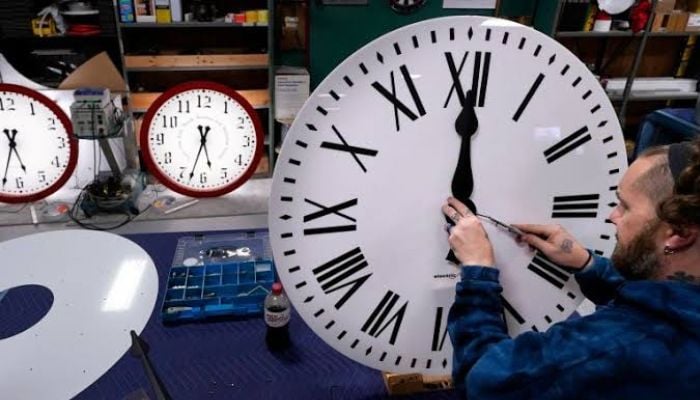
Daylight saving time for 2026 will end on Sunday, November 1, at 2:00 a.m., when clocks “fall back” one hour to 1:00 a.m.
This grants most Americans an extra hour of sleep but brings earlier sunrises and sunsets.
The change indicates that the sunrise and sunset will occur roughly an hour earlier on November 1 than the day before, with more light in the morning and less in the evening. In Florida, for instance, the sunrise on October 31 will range between about 7:30 and 7:40 a.m. ET, depending on location.
On November 1, that shifts to between 6:30 a.m. and 6:40 a.m. Sunset will also arrive earlier, with nightfall well before 7:00 p.m. for many regions.
The shift comes despite congressional push to end the twice-a-year clock changes. The Sunshine Protection Act, which would make daylight saving time permanent, passed the House by July by a 308-117 vote.
U.S. President Trump has repeatedly urged the Senate to act, calling the current system “foolish, inconvenient and, in some cases, very costly.”
But the bill appears stalled in the Senate with no vote scheduled. Lawmakers are set to leave Washington on October 5 and will not return until November 9, after the time change. If no action is taken, clocks will spring forward again on March 8, 2027.
The ski resort trade association has asked senators to vote against the proposed bill, citing the risk of having the ski resort workers work in “prolonged pitch-dark” during winter mornings under the new system. Avalanche prevention and terrain management require morning daylight.
This is not the view held by all patrollers. Emil Sante, who is a 30-year veteran patroller in Telluride, says that the new system is “not a big deal” as ski resorts have been doing seasonal adjustments to the time in which they operate anyway.
For now, Americans will have to get used to setting their clocks back on Nov. 1 and enjoy an extra hour of sleep.