Strait of Hormuz rebound explained: Iran considers US counteroffer after Trump rejects 7-day truce
Tankers struck as Iran says U.S. counterproposal under review
Published September 30, 2026
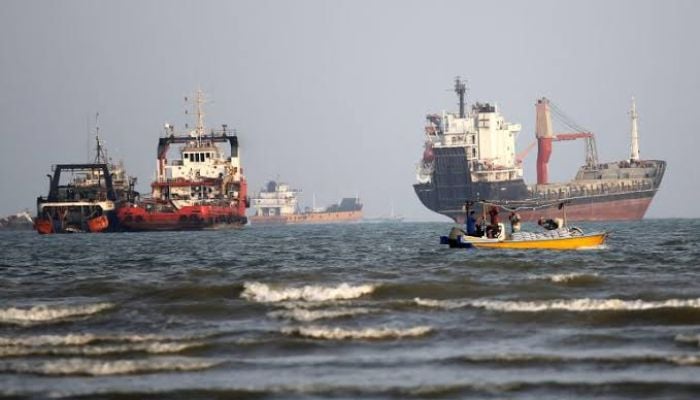
Oil flows through the Strait of Hormuz have rebounded to near pre-war levels even as diplomatic efforts to end the conflict remain stalled, with Iran now reviewing a U.S. counterproposal to its seven-day ceasefire plan that President Trump publicly rejected over the weekend.
According to Iranian officials, Foreign Minister Abbas Araghchi received the U.S. response and presented it to President Masoud Pezeshkian at a cabinet meeting on Wednesday, September 30.
Tehran’s original proposal called for a seven-day ceasefire and the phased reopening of the Strait of Hormuz, contingent on the U.S. meeting conditions laid out in a mid-June memorandum that collapsed after several weeks.
According to Reuters, the two sides now disagree sharply over the plan's sequencing. The back-and-forth between the nations is happening amid a dramatic resurgence in oil shipping through the key waterway. An average of 10 million barrels per day has sailed through the strait in September, while another 6 million barrels daily have exited the Persian Gulf via pipeline and other routes avoiding Hormuz, Kpler reports.
The surge is due to a complicated military operation by the United States, including escorted convoys and "dark" sailings that have brought about shipper confidence. "Given the volume of oil flowing through the strait, it’s quite clear that Iran has lost influence over it," commented Matt Smith, Kpler’s Director of Commodity Research.
Iran, blocked from shipping any of its oil by a U.S. naval blockade, has increased attacks on merchant ships in response. "Three tankers have been hit by projectiles on Tuesday," reported British maritime authorities. "There is no other option for America other than to accept defeat," the Iranian Revolutionary Guard Corps stated.
Despite the oil rebound, prices remain elevated. Crude has hovered above $90 a barrel all month, gas prices are near wartime highs, and diesel surpassed $6 a gallon for the first time. Global inventories have fallen by roughly 2 billion barrels during the conflict.