PM approves duty-free livestock imports for specialised farms to boost exports
Premier wants dedicated export farms stocked with high-yield, superior-breed animals brought in from abroad
Published October 05, 2026
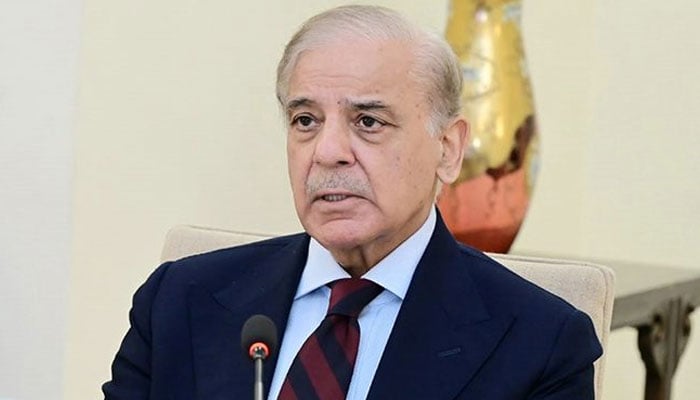
ISLAMABAD: Prime Minister Shehbaz Sharif on Monday approved a comprehensive plan to restructure country’s livestock sector on corporate lines and boost exports by allowing duty-free livestock imports for specialised rearing farms before re-exporting them.
Chairing a review of the sector’s reforms, the prime minister ordered that private sector experts draw up and carry out the changes. He wants dedicated export farms stocked with high-yield, superior-breed animals brought in from abroad.
A modern tagging system will track the animals so that those raised on these farms are the ones that leave the country.
Livestock makes up more than 60% of Pakistan’s agricultural sector, he said, and the potential for exports is large. He gave the government two weeks to present a plan, with specific targets, for eradicating Foot-and-Mouth Disease (FMD).
The Ministry of National Food Security will work with the provinces to clear livestock diseases. Slaughterhouses across the country must obtain international certification, with third-party validation to confirm they meet global standards.
He also asked for the whole value chain to be improved and for export targets for meat, livestock and related products to be set and presented.
Officials told the meeting that Pakistan has about 245 million head of livestock, valued at roughly Rs 5.5 trillion. The sector accounts for 14.97% of the national economy and 63.6% of the agricultural economy. It produces about 74.69 million tons of milk and 6.31 million tons of meat a year.
About 8 million rural families keep livestock, but most do so on a small scale and sell through a fragmented supply chain, which holds exports back. Meat exports reached about $530 million in the 2025-26 fiscal year. Most went to Gulf states, chiefly the UAE, Saudi Arabia, Kuwait and Qatar. Officials named Malaysia, Saudi Arabia and China as markets where sales could grow.
The meeting heard that the government has already started a national program for animal disease surveillance, protection and traceability, and is setting up FMD-free zones and compartments.
It is also introducing digital monitoring of vaccinations and disease, and building export-grade farms alongside international health and Halal certification systems.
The government is promoting feedlot farming, cold chain infrastructure, de-boning, value-added products and export facilities as well, and has set a target to raise meat exports further by 2028.