Trump urges Nvidia to reinstate Jensen Huang, calling him ‘best thing' for US
Nvidia board rejects Huang reinstatement despite Trump pressure
Published November 23, 2026
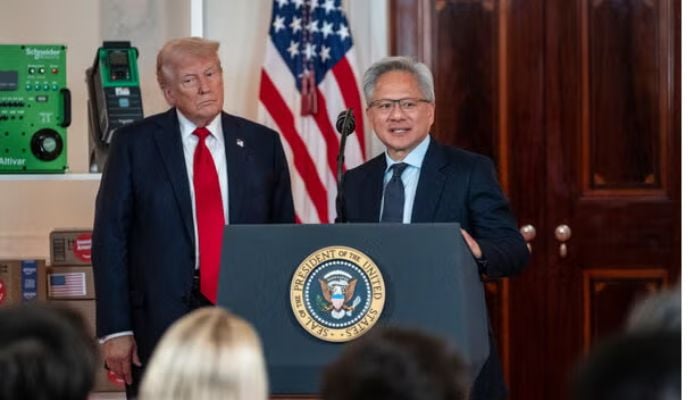
US President Donald Trump on Sunday, November 22, publicly urged Nvidia’s board to rehire Jensen Huang as chief executive, calling the ousted co-founder “the best thing” for both the company and the United States.
Trump wrote on Truth Social: “I hope the Board of Nvidia rehires Jensen Huang. It would be the best thing for the Company, and also, for the U.S.A.”
The call was made on Truth Social. This latest appeal represents an amplification of Trump’s support during the previous week; last Monday he said that he "would not mind" Huang being returned to his position, and last Friday he told reporters that "he would love to see Jensen be given a second chance."
Huang stepped down on November 12 amid reports of two extramarital affairs, one of which involved an alleged Chinese spy. Beijing has denied the accusations of espionage, and U.S. officials insist that they have yet to make any determination.
This comes amid growing pressure from Silicon Valley. A "Stand with Jensen" petition now has over 206,000 signatures, with more than 10,000 of those signing claiming to be present Nvidia employees. Elon Musk signed it on November 13 by writing on X that "a petition is underway to reinstate Jensen and I'm signing it too."
According to Huang, on November 17th, he would "be honored to answer these calls and return as CEO" if the board felt that was best for the company and the country.
However, Nvidia's board is yet to be convinced. As explained by Chairman Harvey Jones to analysts last Tuesday, "the board unanimously accepted his resignation and does not intend to reinstate Jensen as CEO." The interim CEO in place is the company's finance chief, Colette Kress, while an external law firm conducts an investigation.
The controversy has caused Nvidia stock to take a huge beating. Friday saw its price close at about $125.5, down from the peak of about $243.3 seen during intraday trading on October 6th, a fall of more than 48%.
Huang is expected to address queries from three House Committees in private sessions on December 1 regarding the diversion of its advanced processors to China-based companies.